Production
No biography available.
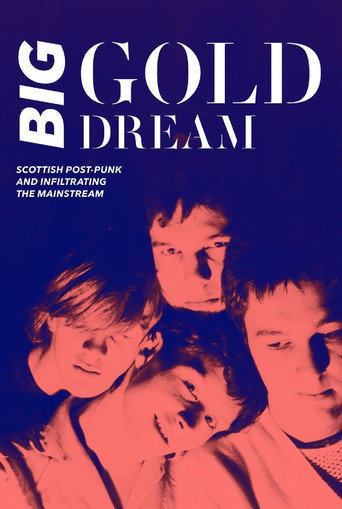
Documentary on the independent Edinburgh record label Fast Product and Postcard Records and associated bands like Fire Engines, Scars and Josef K
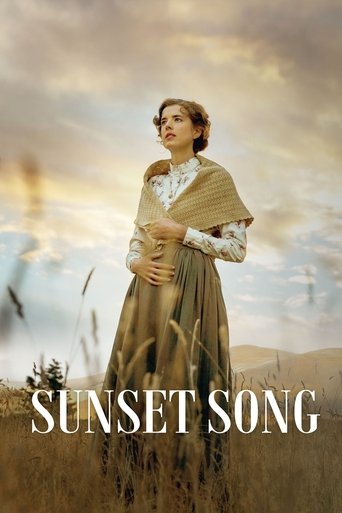
The daughter of a Scottish farmer comes of age in the early 1900s.
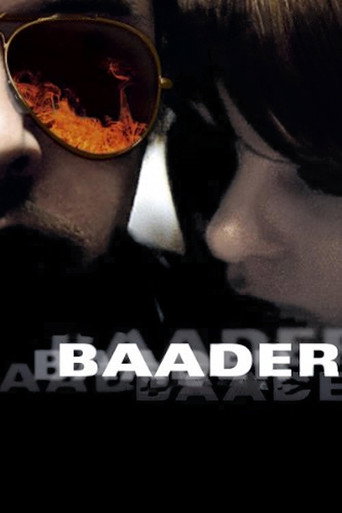
Andreas Baader starts out as a small-time criminal. In Berlin, he is recruited by a revolutionary cell. They plan to overthrow the state.
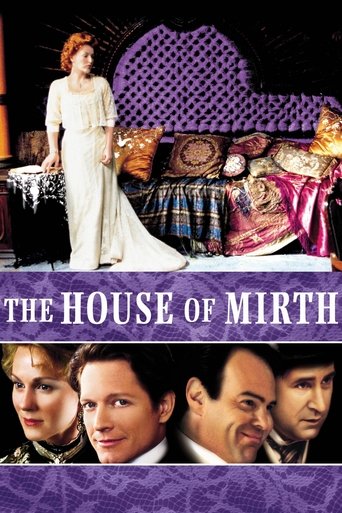
In early 20th century New York City, an impoverished socialite desperately seeks a suitable husband as she gradually finds herself betrayed by her friends and exiled from high society.
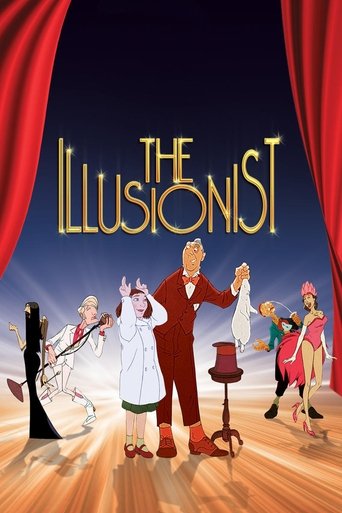
A French illusionist travels to Scotland to work. He meets a young woman in a small village. Their ensuing adventure in Edinburgh changes both their lives forever.
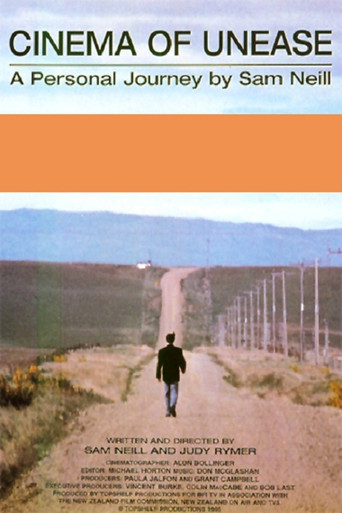
Actor Sam Neill discusses New Zealand film and his own experiences within and without.
Charlie Colquhoun is a burnt out journalist. His old school friend Harris Hill is a lawyer at the top of his game. Their lives are smashed together by one name - Tommy Stirling, Charlie's daughter, a fostered teenage pregnancy who has become embroiled in an alleged child pornography scandal with a top ranking police officer. As the trail to Tommy begins to heat up, so the bodies begin to mount up. Allegiances fall by the wayside as Charlie's life begins to spiral out of control and the deadly world of drugs, blackmail and murder that lies in the deepest heart of the underworld threatens to consume him and his missing daughter forever.
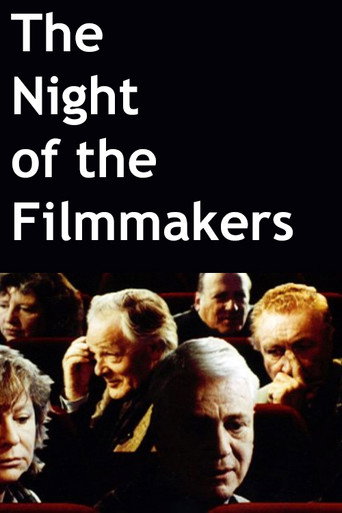
A meditation on the first 100 years of German cinema, featuring an assembly of German filmmakers.
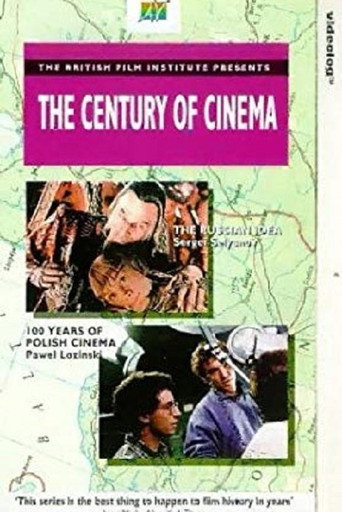
The Russian entry in the BFI’s Century of Cinema series of documentaries
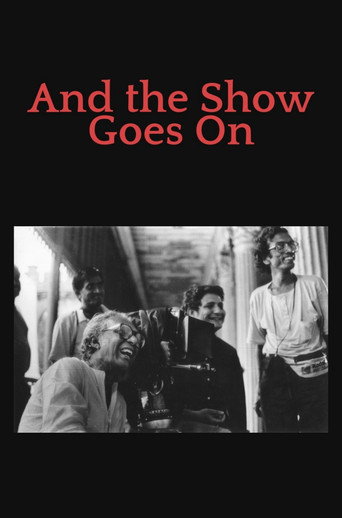
The 'Century of Cinema' is an 18-part series produced by the British Film Institute to celebrate 100 years of cinema. The series includes films directed by Scorsese, Oshima, Godard, among others. Mrinal Sen directed the Indian chapter of the series.
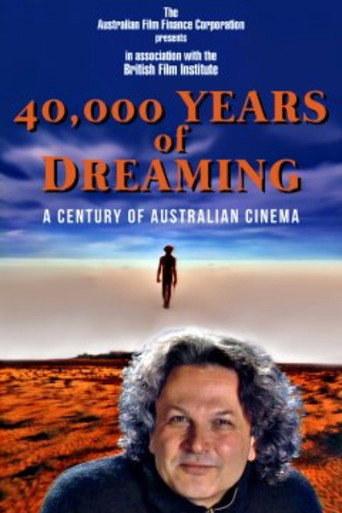
Australian-born filmmaker George Miller offers a personal view of Australian films. He suggests that they can be regarded as visual music, public dreaming, mythology, and song-lines. In extrapolating the idea of movies as song-lines he examines feature films under the following categories: songs of the land; the bushman; the convicts; the bush-rangers; mates and larrikins; the digger; pommy bashing; the sheilas; gays; the wogs; blackfellas; and urban subversion. He then concludes that these films can be thought of as "Hymns that sing of Australia."