Bjarne Henning-Jensen Movies, TV Shows, and Filmography
Bjarne Henning-Jensen
Directing
Biography
No biography available.
Filmography Movies
Acting
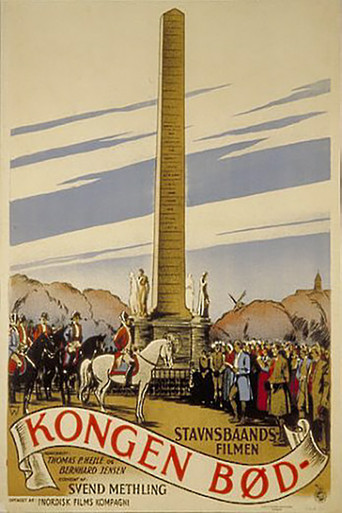
Kongen Bød
We are in a Zealand village in the years before the reading of the staves. Jacob, the son of alderman Jeppe, goes from farm to farm and blows for the town meeting. Today the farmers are to meet to discuss when to start the rye harvest. The young farmer, who is eager to get started, does not have much confidence that they will be able to agree. When he gets home, he asks his father why they cannot harvest right away. Maybe it will be like last time, when the rye was rotting in the field. He does not understand that they always have to wait for the others. The old farmer gives him a sharp rebuke: "Don't pretend to be smarter than you are!“
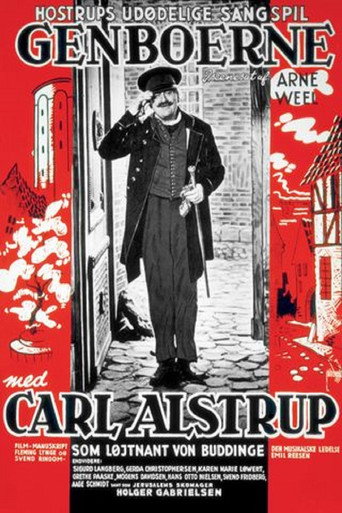
Genboerne
Opposite Regensen lives the brave and well-off coppersmith Smidt with his equally brave wife and their delightful young daughter Rikke, as well as the three journeymen Madsen, Mikkel and Lars, who, according to old craftsman custom, both eat and stay with the master. When an acquaintance of journeyman Madsen comes to visit, he learns that he is unhappily in love with Rikke, and he promises to help him get in touch with her.
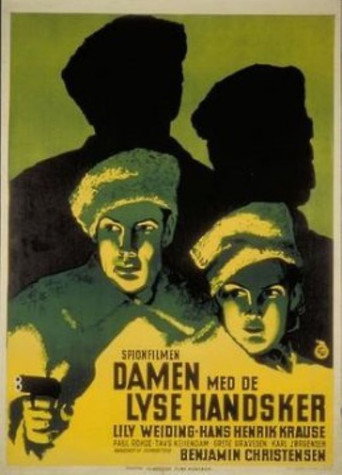
Lady with the Light Gloves
During World War I, the engineer Torben returns home with secret papers from the Russian Tsar to the courier Tuschin, Torben's best friend. Tuschin is found murdered, however, and to solve the murder, Torben stays at his hotel. Here he meets several mysterious people, not least the breathtaking stenographer Inge. But in the hotel, no one is who they pretend to be.
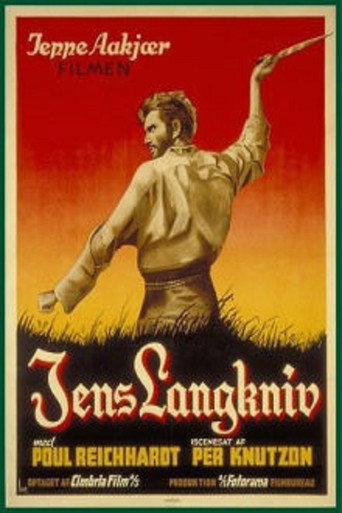
Jens Langkniv
Jeppe Aakjær's heroic poem about Jens Langkniv becomes something more than the story of a robber in a small parish in Jutland.
Brunkul
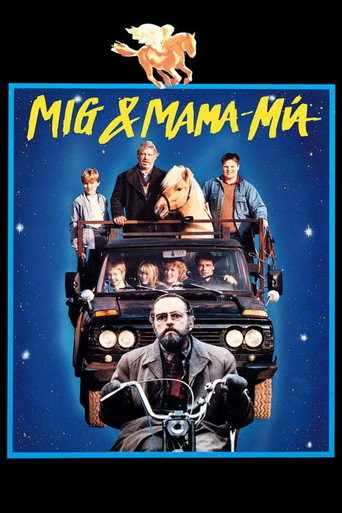
Tarzan Mama Mia
Eleven-year old Rikke lives alone with her father, whose only interest in life seems to be the soccer matches which appear on his television. Not surprisingly, Rikke is somewhat bored. She enters a contest put on by a cereal company which has as its grand prize a horse. Since she lives in the city in a second floor apartment, it never occurred to her that she might win, but win she does. The horse ("Mama-Mia") duly appears, and she and the members of her slum neighborhood come together to cope with the situation in a delightful way.
Production
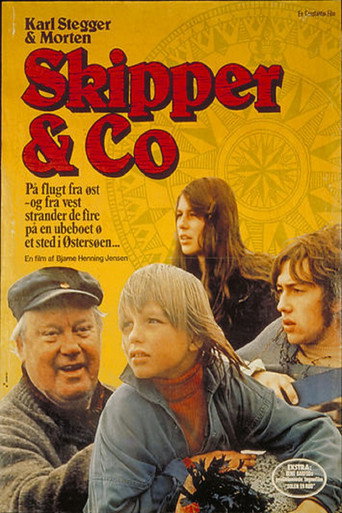
Skipper & Co.
A quiet film about the friendship between four people: an old skipper who has gone ashore but has not really adapted to his new life. A boy who has run away from his cold and identity-less concrete environment. And a young woman and a young man who have fled from their respective Eastern European countries.

Boy of Two Worlds
A young orphan is sent to live in a Danish village where he is cast out because his mother was a West Indian. With nowhere to turn, the ingenious survivor begins devising a new life outside of town.
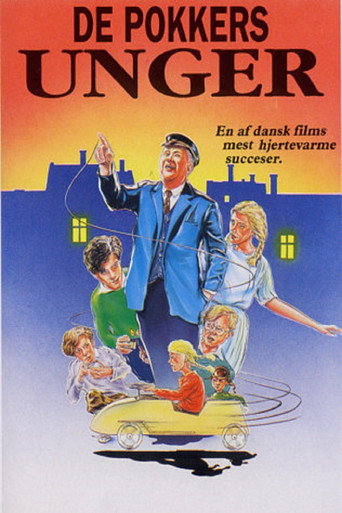
Those Damned Kids
Directed by Danish filmmakers Bjarne and Astrid Henning-Jensen, THOSE BLASTED KIDS tells a story of a group of back-alley urchins that is considered Denmark’s first true children’s film.
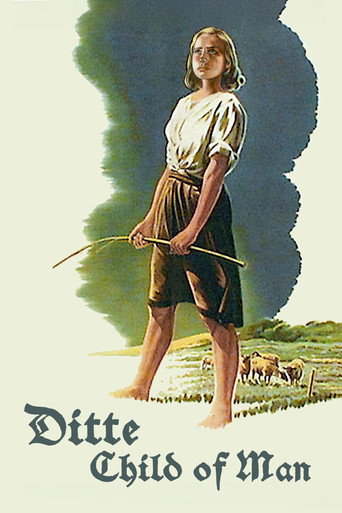
Ditte, Child of Man
Ditte is born out of wedlock and lives as a young girl with her old beloved grandmother. As an illegitimate child she is teased in school and more than anything in the world she wants a father. When steady - utterly reliable - herring dealer Lars Petter shows up and tells her that he is marrying Ditte's mother, the little girl is very happy. Now Ditte must take care of three new sisters and brothers but gets nothing but complaints from her ungrateful, selfish mother. But the little girl finds consolation and support in both her sisters and brothers and Lars Petter.
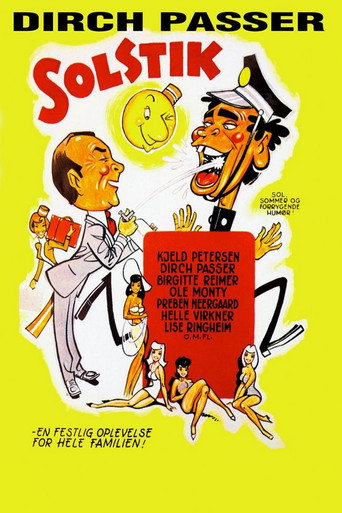
Sunstroke
We are at Fiskeby Badehotel, owned by a charming young executive's daughter, Miss Søgaard. One day, when Miss Søgaard is on her way to inspect the hotel, she meets a young man on the road. One day, when Miss Søgaard is on her way to inspect the hotel, she meets a young man on the road. It is love at first sight. However, the young man turns out to be the doorman at her own hotel, where she now takes a job disguised as a bellboy. She wants to get to know the doorman better without him knowing who she is.
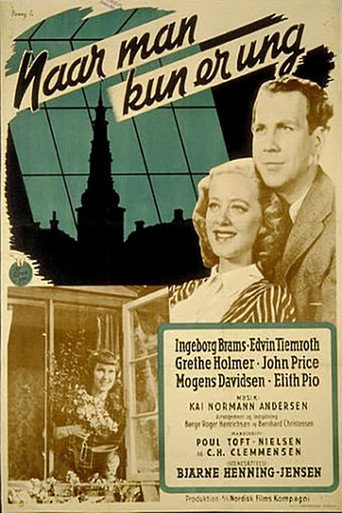
Naar man kun er ung
Peter West goes to Copenhagen to see if he can make a living as a painter. He is quickly accepted into the circle of young artists in the city. He quickly produces many paintings, but he cannot sell a single one. Susan, a young female journalist, is in love with Peter and decides to help him. Since her father is also an art connoisseur, she takes advantage of him, so that Peter gets a well-deserved breakthrough.
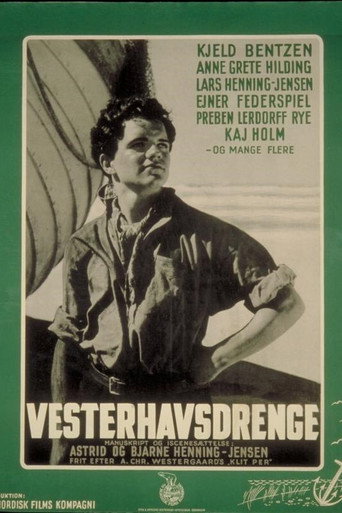
North Sea Boys
Per Brask is a fisherman's son, a lively 16-year-old boy, still too young to go out to sea, even though, like other boys on the west coast, he has to help out with the daily work. He is mostly preoccupied with playing, while dreaming of getting his own boat. The boys from the dunes are in a constant battle with the fjord boys, or land crabs – usually just called crabs – who are the boys from the village by the fjord or from the farms further inland.
North Sea Boys
Per Brask is a fisherman's son, a lively 16-year-old boy, still too young to go out to sea, even though, like other boys on the west coast, he has to help out with the daily work. He is mostly preoccupied with playing, while dreaming of getting his own boat. The boys from the dunes are in a constant battle with the fjord boys, or land crabs – usually just called crabs – who are the boys from the village by the fjord or from the farms further inland.
Ditte, Child of Man
Ditte is born out of wedlock and lives as a young girl with her old beloved grandmother. As an illegitimate child she is teased in school and more than anything in the world she wants a father. When steady - utterly reliable - herring dealer Lars Petter shows up and tells her that he is marrying Ditte's mother, the little girl is very happy. Now Ditte must take care of three new sisters and brothers but gets nothing but complaints from her ungrateful, selfish mother. But the little girl finds consolation and support in both her sisters and brothers and Lars Petter.
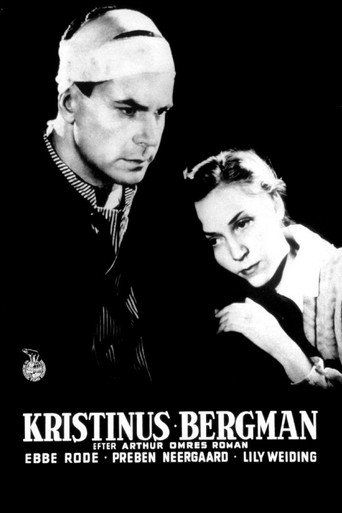
Kristinus Bergman
Danish noir crime drama with a poetic nerve. Two boys, Kristinus and Jakob (Rode and Neergaard) experienced a loveless and abusive childhood. Now as grown-ups, they are acting outside the law.
Gallery