Biyouna Movies, TV Shows, and Filmography
Biyouna
Acting
Biography
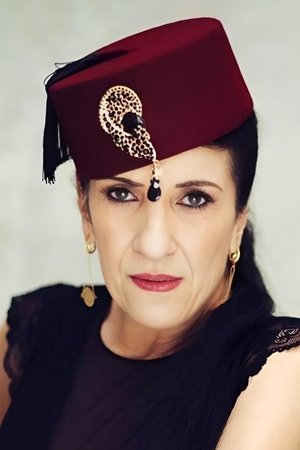
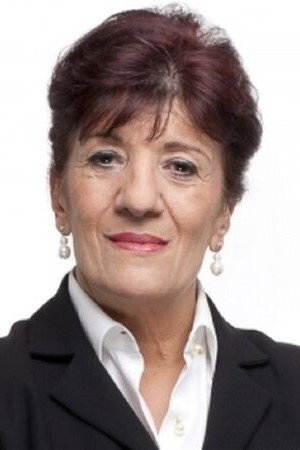
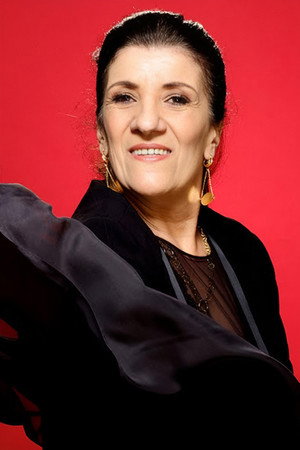
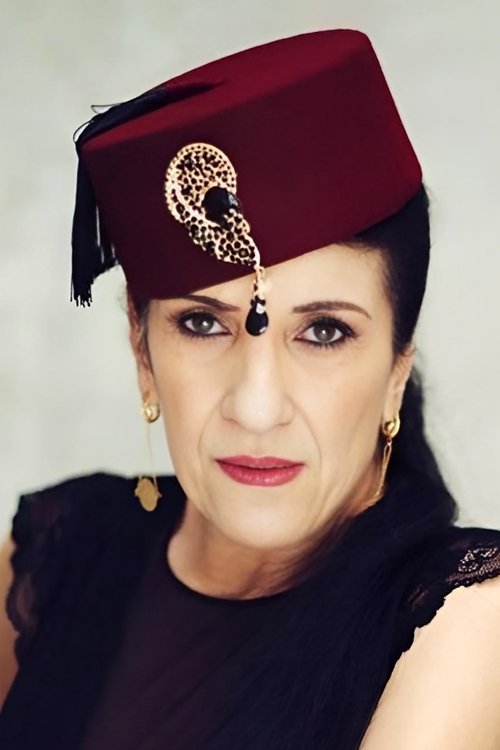
Biyouna (بيونة), whose real name was Baya Bouzar (باية بوزار), was an Algerian actress, singer, and dancer born on September 13, 1952, in Belcourt, a working-class neighborhood of Algiers, and died on November 25, 2025, at the Beni Messous Hospital in Algiers, at the age of 73, from lung cancer. A major figure in Maghrebi culture, she is remembered as a free-spirited, popular artist deeply attached to Algeria. Born into a family where music played a significant role, particularly through her sister, the singer Leïla El Djazaïria, Biyouna developed a passion for singing, dancing, and acting at a very young age. As a teenager, she first joined Fadela Dziria's troupe, where she sang in the choir and played percussion, before forming her own group with which she performed at weddings and popular festivals in Algiers. By seventeen, she was already performing in the capital's cabarets, before becoming a dancer at the famous Copacabana at nineteen, which brought her to the attention of the artistic community. Her acting career began in the early 1970s when director Mustapha Badie spotted her and gave her the role of Fatma in the television series La Grande Maison, adapted from the novel by Mohammed Dib. This first major role made her instantly popular with the Algerian public and opened the doors of television and film for her, where her fiery temperament, humor, and outspokenness became her trademark. She then distinguished herself by alternating between melodramas, comedies, and one-woman shows, establishing herself as a key figure on Algerian television. From the late 1990s onward, Biyouna's career took off in France, notably with the film *Le Harem de Madame Osmane*, followed by *La Voisine* and *Viva Laldjérie*, which brought her to the attention of a wider audience. In 2007, she captivated audiences in *Délice Paloma*, where she portrayed Madame Aldjéria, a charismatic mafia matriarch, a role often considered one of the highlights of her filmography. Her singular presence, her deep voice, and her ability to blend tragedy and comedy made her a sought-after actress for numerous directors on both sides of the Mediterranean. At the same time, Biyouna pursued a successful musical career, releasing the album Raid Zone in the early 2000s, followed by Une blonde Dans La Casbah, projects blending Algerian influences with contemporary Franco-Algerian arrangements. She also participated in musical productions such as Fellag's Casbah Opera and lent her voice to various projects. She also became a star of television series, notably with Nass Mlah City, broadcast during Ramadan, and the Tunisian series Nsibti Laaziza, where her colorful characters left a lasting impression on Maghrebi audiences. The last years of her life were overshadowed by illness, lung cancer, which she battled for several years and which was regularly discussed in the Algerian and French media. She passed away on November 25, 2025, in Algiers, at the Beni Messous hospital, after her health deteriorated due to respiratory complications. She leaves behind a career spanning more than half a century and immense popularity, a symbol of a free, audacious, funny, and moving female artist who navigated the changing times without ever abandoning her personality or her language, moving seamlessly between Algerian Darija, colloquial Arabic, and French.
Filmography Movies
Acting
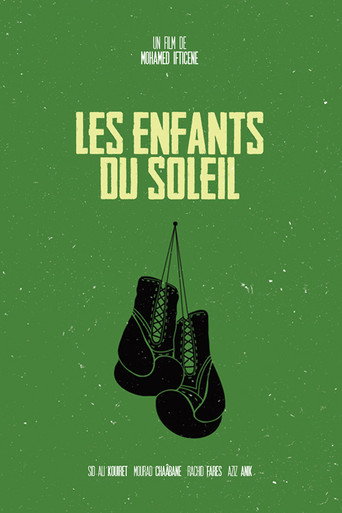
Children of the Sun
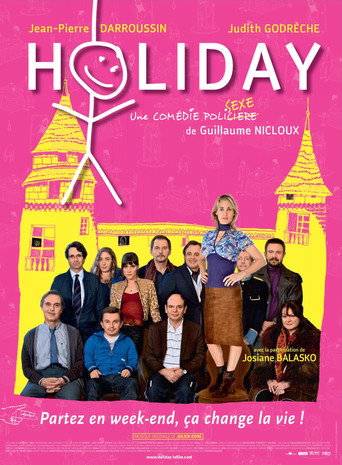
Holiday
After a crazy and tumultuous night embellished with singular encounters, Michel's awakening is brutal and painful. Not only does he find himself accused of murder, but his wife cannot be found.
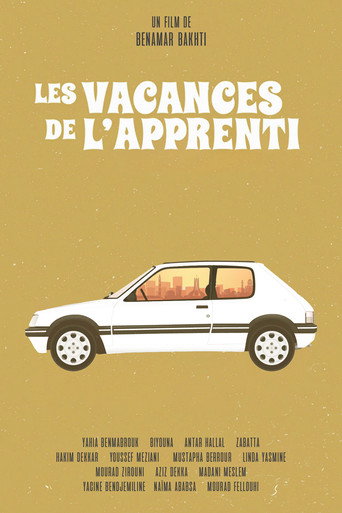
Les Vacances de l'apprenti
The former teammate of the famous Inspector Tahar, "the Apprentice" turned Inspector Yahia, will conduct his final investigation in the city of Bejaia, but the surprise at the end is unexpected. Released in 1999, this feature film is dedicated to the late actor Hadj Abderrahmane, who played Inspector Tahar in the 1960s and 1970s.
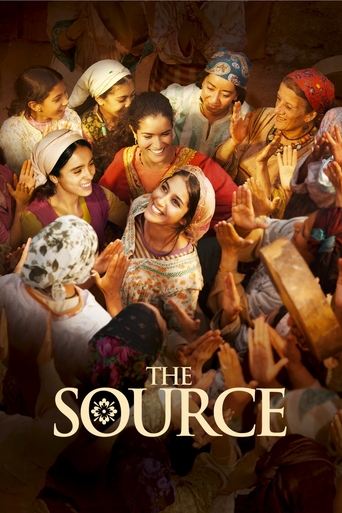
The Source
A comedy/drama set in a village and centered on a battle of the sexes, where women threaten to withhold sexual favours as long as the men refuse to install a water pipe.
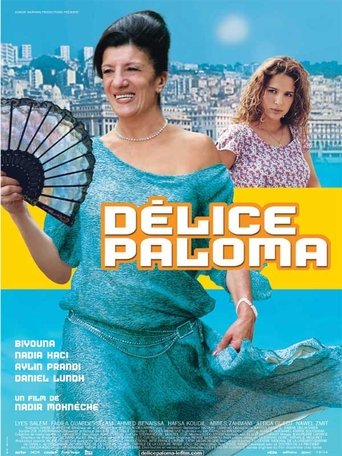
Délice Paloma
Atop 17 flights of stairs, Madame Aldjeria rules over a crew of beautiful young women with the help of faithful son Riyad and clever lawyer Djaffar. Madame Aldjeria can set up a lonely old man with companionship or destroy the reputation of whomever the client wants humiliated. But when Riyad grows attracted to a beautiful new girl, Paloma, and a potentially huge new project runs into trouble, Aldjeria could lose everything she's worked for.
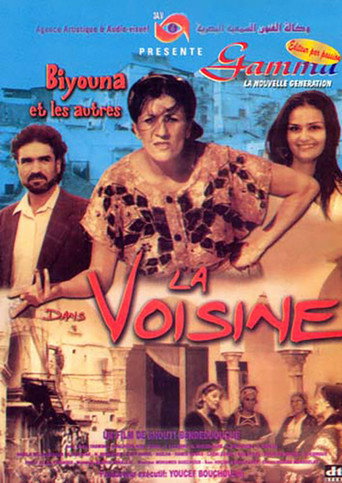
La Voisine
Directed by Ghaouti Bendedouche.
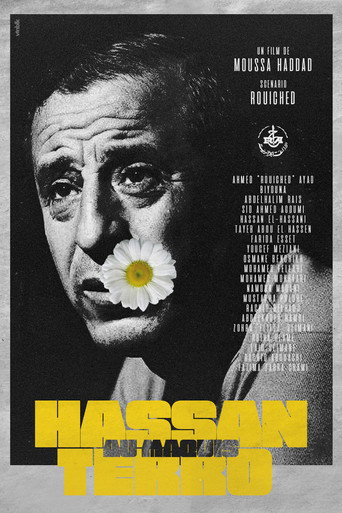
Hassan Terro au Maquis
While trying by all means to stay out of the bloody turmoil caused by the Battle of Algiers, Hassan, an honest and naive family man, is wrongfully accused of terrorism by the French colonial army in "Hassan Terro." After escaping in "The Escape of Hassan Terro," Hassan is forced to join the resistance in "Hassan Terro in the Maquis."
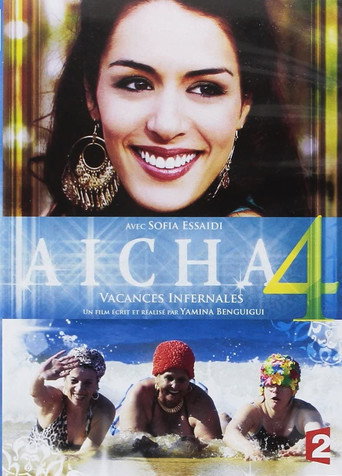
Aïcha : Vacances infernales
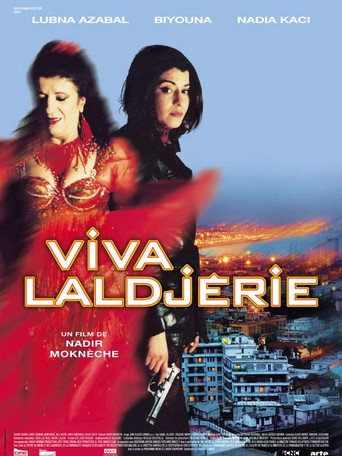
Viva Algeria
This movie portrays three women living in today's Algeria between modern society and Islamic fundamentalism, self-determination and dependence. Goucem, a young woman who works for a photographer and mistress of a rich doctor, her mother Papicha, a former cabaret star, and her best friend Fifi, a prostitute, all live in a hotel in the city center of Algiers. Their difficult personal situation and the growing influence of Islam lead to dramatic consequences...

Cheba Louisa
30-year-old Djemila, a single jurist, at last has her own apartment... a few steps away from her parents' place. A French woman of North African extraction, she does everything she can to hide her origins. Emma, her nutty and broke neighbor, struggles to raise her two children alone. Although these two women have nothing in common, a deep friendship forms between them because of their mutual love of music.
Gallery