Bipana Thapa Movies, TV Shows, and Filmography

Bipana Thapa
Acting
Biography
Bipana Thapa is a celebrated actress who dominated the Nepali film industry during the late 1990s and early 2000s, known for her versatile performances and immense screen presence. She made her debut in the 1995 film Janmabhumi and quickly rose to superstardom, starring in over 80 films throughout her career. Her filmography is filled with classic hits such as Apsara, Mitini, where she often shared the screen with legendary actors like Rajesh Hamal and Dilip Rayamajhi. Known for her ability to handle both intense emotional dramas and lighthearted commercial roles, she was one of the highest-paid and most sought-after actresses of her era. In her personal life, Bipana transitioned away from the film industry following her marriage to Ashutosh Bhardwaj, an Indian businessman, in 2008. After her marriage, she relocated to Mathura, India, and took a long hiatus from acting to focus on her family, including their son, Kushagra Bhardwaj. After a nearly 15-year break from the silver screen, she returned to cinema with the film Hrashwo Deergha (2024), proving her enduring popularity among Nepali audiences.
Filmography Movies
Acting
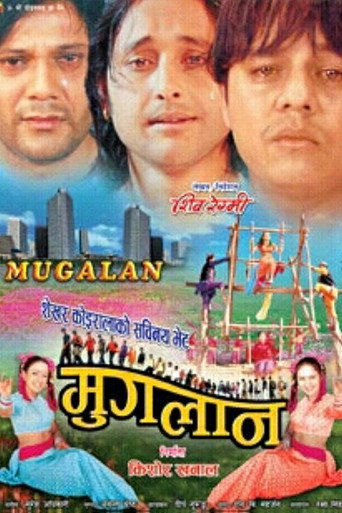
Mugalan
Three friends faith is tested when they involve in foreign unemployment.
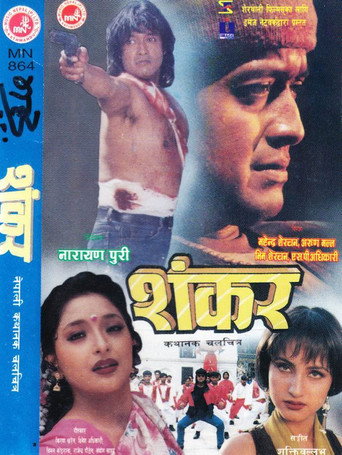
Shankar
The movie ‘Shankar’ released in 1997 was a super hit movie of the time. The movie established the image of Rajesh Hamal as Shankar. was a hit movie of the time.
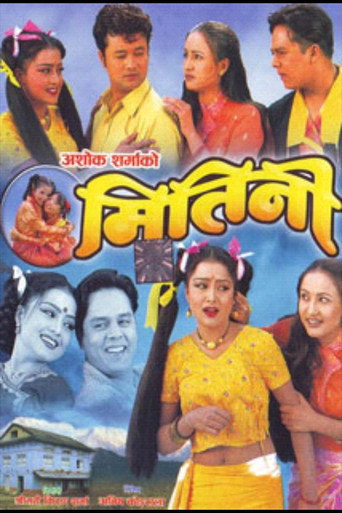
Mitini
Best friends' journey from childhood to marriage.
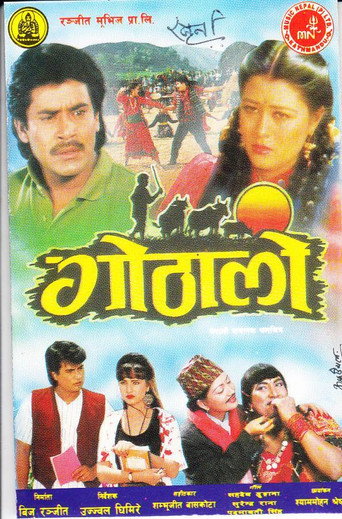
Gothalo
Story about a farmer.

Hrashwo Deergha
Hrashwo Deergha is an action-comedy directed by Chandra Pant, starring Neeta Dhungana, Harihar Adhikari, Bipana Thapa, Brahmanandam, Pradeep Singh Rawat, and Mohammad Ali.
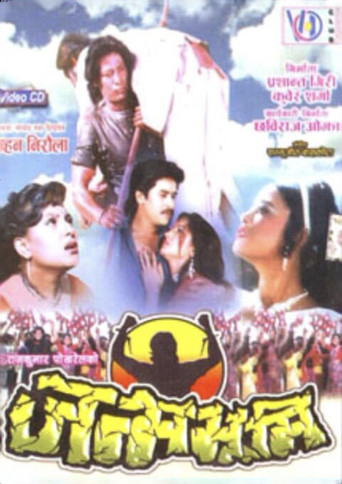
Janma Bhoomi
Janma Bhoomi is a compelling Nepali film that celebrates culture, family, and the triumph of good over greed. Arjun and Krishna, two brothers unaware of their bond, face Kuber Agarwal, a wealthy businessman set on destroying Naya Basti village to build a factory, ignoring the villagers’ heritage. Agarwal’s daughter Sirjana falls in love with Arjun and marries him against her father’s wishes.Chameli secretly loves Arjun but remains silent, while Krishna falls for Gita. With the villagers’ support, Arjun and Krishna resist Agarwal’s plans. The story takes a tragic turn as Agarwal and Chameli die, but the brothers succeed in protecting the village. Sirjana’s decision to leave her father highlights that love and integrity triumph over greed. Directed and written by Mohan Nirula and produced by Chabi Ojha, Janma Bhoomi showcases Nepal’s cultural roots and the power of unity.
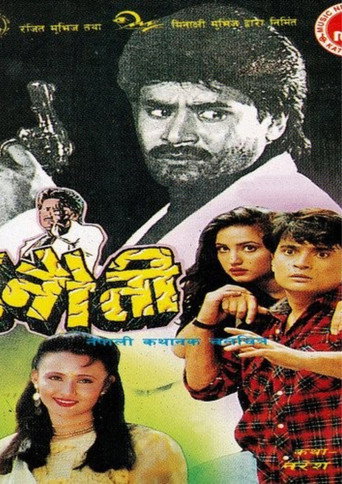
Chunauti
Chunauti is an action-packed romantic comedy that tells a story of love, struggle, and justice. Ajaya and his wife Prabha move to Kathmandu, where Ajaya starts working as a teacher. Later, his sister Gita joins them and enrolls in the same college. There, she meets a kind and charming student, but trouble arises when Madhav, a troublesome student, also starts liking her. One day, a fight breaks out in the college, and when Gita tries to stop it, an inspector arrives and brings the situation under control. Angered by this, Madhav and his group cause harm to Prabha and Gita. They also try to escape punishment through legal means. With no strong evidence, Ajaya takes a stand and challenges the court. In the end, he decides to take justice into his own hands, leading to a tragic ending where the inspector, fulfilling his duty, stops Ajaya. Chunauti is a story of love, courage, and sacrifice in the face of injustice.
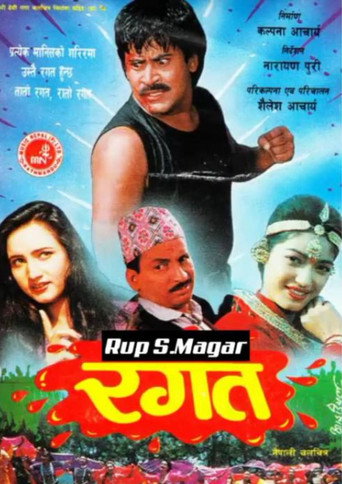
Ragat
Ragat (Blood) is a powerful Nepali film that highlights caste discrimination and social injustice. The story follows Krishna, a young man from a lower-caste family, who bravely fights against the oppression of the rich and upper-caste elites. Hemant Kaji, a wealthy and influential man, strongly believes in caste superiority and looks down on the poor. Amidst this division, Laxmi, a girl from a rich family, falls in love with Gopal, a lower-caste boy. Defying societal norms and family pressure, they marry against their parents' wishes, challenging the rigid caste system. Their love becomes a symbol of change, but their struggle is met with resistance. In the end, Radha, Laxmi's caring aunt, tragically loses her life, leaving behind a message that all human blood is the same-hot and red. Directed with a strong social message, Ragat questions why caste discrimination still exists in Nepali culture and calls for equality and justice.
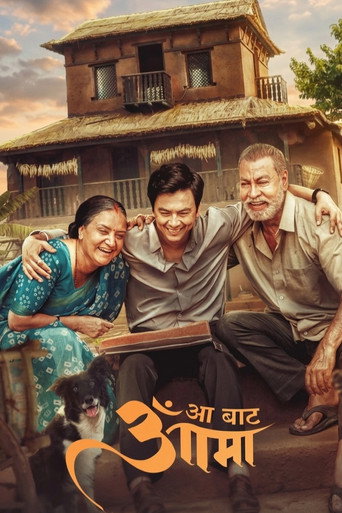
Aa Bata Aama
Aa Bata Aama is a heartfelt story set in a serene Nepali village, following a loving couple who are blessed with a son, Krishna, after years of hope and prayer. They raise him with deep care and big dreams, eventually making great sacrifices to send him abroad for better opportunities. As Krishna adapts to a new life, he becomes increasingly distant from his roots and family. Back home, his parents continue to cherish his memories and wait for his return. The film gently explores themes of love, sacrifice, ambition, and the emotional distance that can grow between family and dreams.
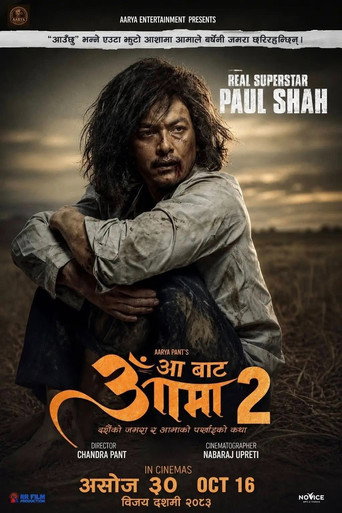
Aa Bata Aama 2
Plot to be announced.
Gallery