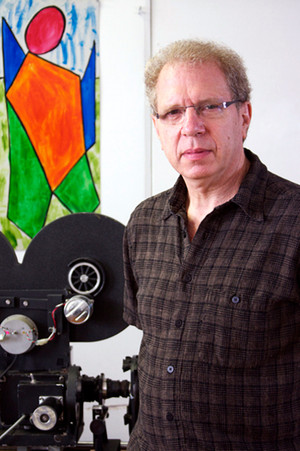
Bill Brand Movies, TV Shows, and Filmography
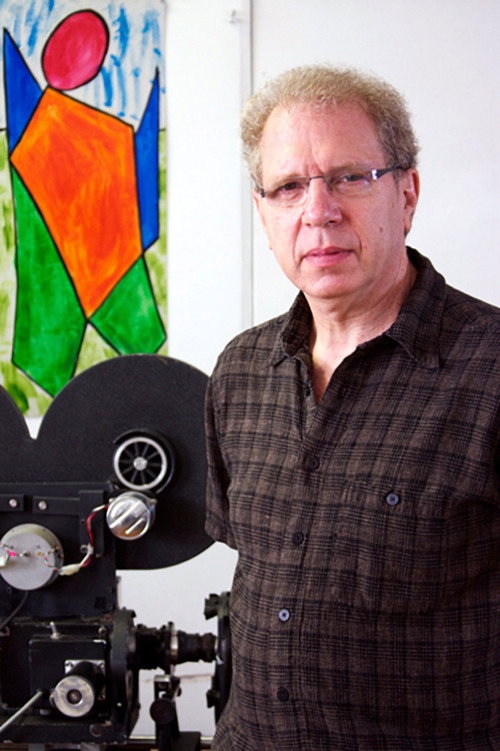
Bill Brand
Directing
Biography
Bill Brand is a multi-disciplinary artist whose films, public artwork, installations, paintings and works-on-paper have exhibited worldwide in museums, galleries microcinemas and on television. His 1980 Masstransiscope, an animated mural installed in the New York City subway, is in the MTA Arts and Design permanent collection. Bill Brand’s artwork has been featured at Museum of Modern Art, Whitney Museum, Smithsonian American Art Museum, National Gallery of Art, Anthology Film Archive and Shanghai Duolun Museum of Modern Art. He is represented by Galerie Arnaud Lefebvre, Paris and Court Tree Gallery, Brooklyn. His films have been presented at major film festivals including the Berlin Film Festival, New Directors/ New Films Festival, Tribeca Film Festival and Rotterdam Film Festival. His films are discussed in histories of cinema including the books Experimental Filmmaking: Break the Machine (2015) by Kathryn Ramey; Results You Can’t Refuse: Celebrating 30 Years of BB Optics, (2006) edited by Andrew Lampert, Documentary, A History of the Non-Fiction Film, (1992) by Erik Barnouw; and Allegories of Cinema, (1990) by David James. Brand’s work has also been written about in news and journal articles by Janet Maslin, Jonas Mekas, J. Hoberman, B. Ruby Rich, Ian Christie, Noel Carroll and Randy Kennedy among others. Bill Brand is Professor Emeritus at Hampshire College and teaches Film Preservation at New York University's Moving Image Archiving and Preservation graduate program. He is co-owner of BB Optics, Inc., a company that specializes in archival film preservation and post-production services. Bill Brand founded the showcase and workshop Chicago Filmmakers in 1973, and served on the Board of Directors of the Collective for Living Cinema until 1991 in New York City. He co-founded Parabola Arts in 1981 and is currently an artistic director. He served on the board of trustees for The Flaherty (2008-15) and is an advisor to the Orphan Film Symposium and Mono No Aware. Bill Brand lives in New York City with his wife, the artist Katy Martin.
Filmography Movies
Acting
Home Movies 1971-81
Home movies shot on Super 8mm by W+B Hein over 10 years.
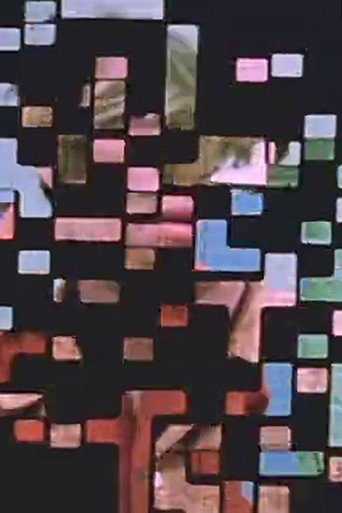
Split Decision
This film is a scrambled narrative that illustrates, in soap opera fashion, life of artists in Lower Manhattan and at the same time dramatizes questions about the nature of filmic representation. Split decision is a boxing term used when the judges divide their votes in finding a winner. In this case the fight is between the two heroes of the film who are seen intermittently in a bar, negotiating a pick-up, and at home, breaking up in a domestic quarrel. The fight is also in the telling, between modes of conventional representation and modes of radical representation - between conventional continuity editing, and abstraction created through computer generated grids. The film features an appearance by Carolee Schneemann and digital imaging from before the era of personal computers.
Production
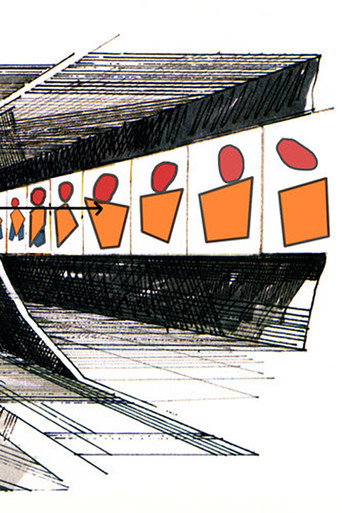
Masstransiscope
Consisting of a 300-foot-long painting made on reflective material, Masstransiscope is a public artwork visible from the subway tunnels of the Manhattan-bound B and Q lines. It is in a special enclosure with 228 narrow slits and fluorescent lights. To someone passing by, it looks like an animated movie.
Split Decision
This film is a scrambled narrative that illustrates, in soap opera fashion, life of artists in Lower Manhattan and at the same time dramatizes questions about the nature of filmic representation. Split decision is a boxing term used when the judges divide their votes in finding a winner. In this case the fight is between the two heroes of the film who are seen intermittently in a bar, negotiating a pick-up, and at home, breaking up in a domestic quarrel. The fight is also in the telling, between modes of conventional representation and modes of radical representation - between conventional continuity editing, and abstraction created through computer generated grids. The film features an appearance by Carolee Schneemann and digital imaging from before the era of personal computers.
Susie's Ghost
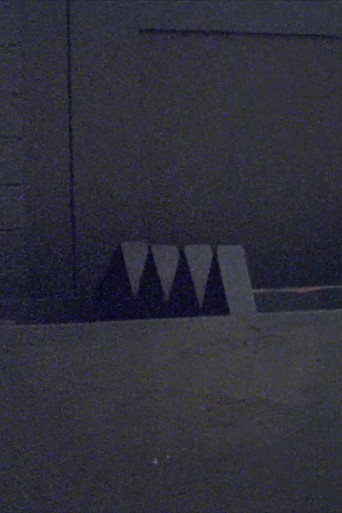
Susie's Ghost is about the mystery of the marks we make and leave behind. The “Susie” in the title refers to a sibling but the "ghost" refers more generally to lingering feelings of loss. The cinematography and performance both express a tentative presence and diffuse sense of disappearance. Is she looking for something? Is she really there? We shot with aging 16mm film in my downtown Manhattan neighborhood, just before construction mania obliterated the last traces of the manufacturing district I’d moved into years earlier.
Cartoons: It Dawn Down
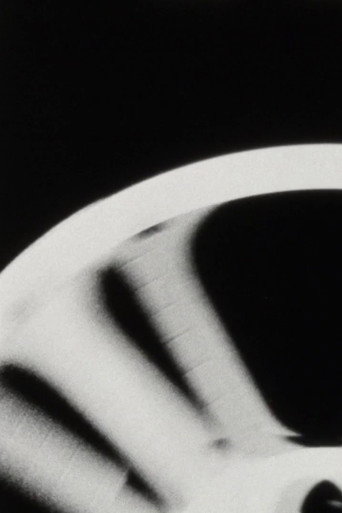
In It Dawn Down an ordinary take-up reel spins to make colorful and delicate patterns even though the film is black and white.
Skinside Out
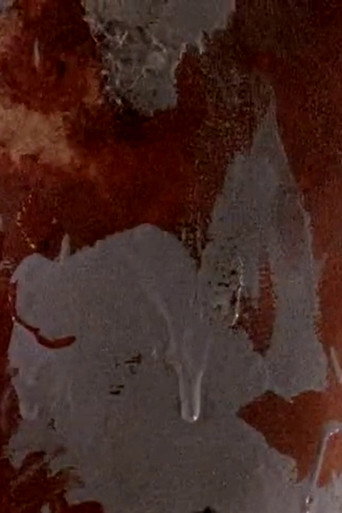
Skinside Out features paint on skin, carried out in an expressionist mode on both of the filmmakers' bodies. The emphasis is on the pleasure of looking -- at the edge of repulsion -- and the implications of making public an essentially private gesture. The film posits painting as a gendered, bodily act, whose location shifts continually within a context that's always changing. Images filmed in the studio are juxtaposed with footage of a construction barge along the Hudson. By examining both in relation to surface, the work paradoxically looks for what lies within, while questioning who and where we take ourselves to be.
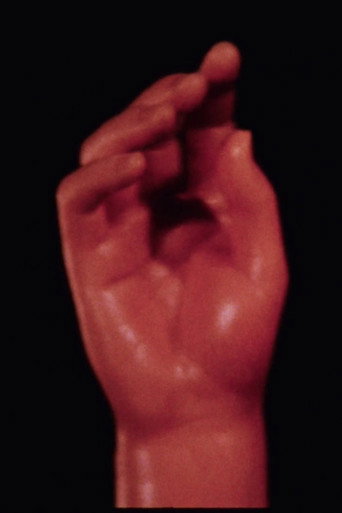
Cartoons: The Central Finger
The Central Finger (16mm, silent, 5 1/2 minutes, 1974).
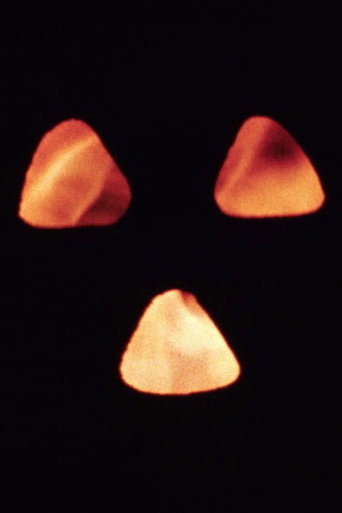
Cartoons: The Autobiography of Benjamin Franklin
Flickering flames viewed through air vents of a wood burning pot belly stove resemble the shutter of a film projector.
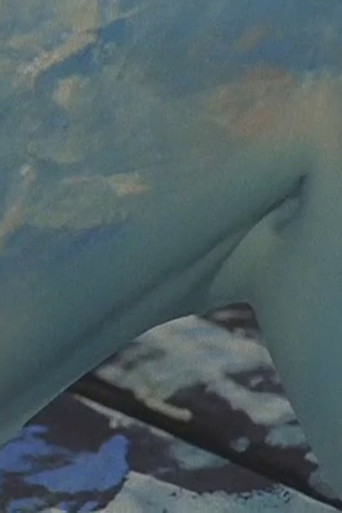
Swan’s Island
Katy Martin paints directly on her skin, and uses her whole body to make marks with the paint. Bill Brand frames the action and its trace, in the process, linking painting and cinema. Swan's Island explores gesture in painting, and how it relates to the hand held camera. The film creates abstractions from the glistening blue paint that in turn evoke a seascape or a distant, yet intimate place. In its choreography, Swan's Island is a duet. The painted figure occupies space, and the camera describes that space. The person filming and the person filmed are moving as one, and yet they are separate, each an island. Seeing and being seen are inextricably bound with emotions of love and loss, longing and a sense of place.
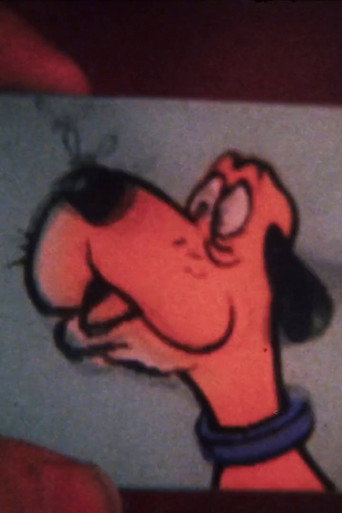
Cartoons: An Angry Dog
An Angry Dog is a hand-held animation made from a Cracker Jack toy.
Rate of Change
This film has no literal subject, no frames, only slow continuously shifting colours, cycling around the perimeter of the spectrum. The changes are so slow as to be unseen, yet they alter our perception of colour. Part of a trilogy (Acts of Light), which develops a study of pure colour, based on the notion that film is essentially change and not motion.
Gallery