Beyaz Movies, TV Shows, and Filmography
Beyaz
Acting
Biography
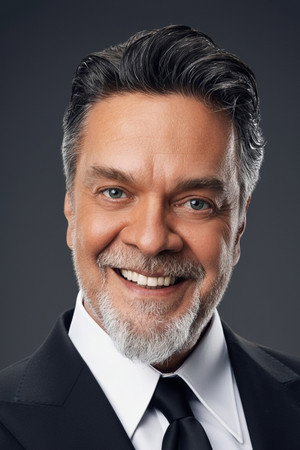
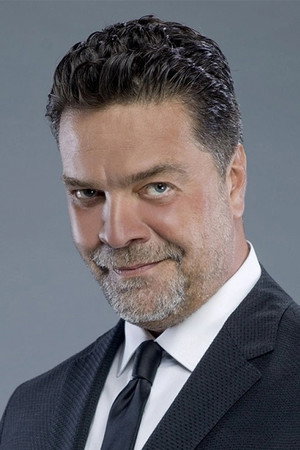
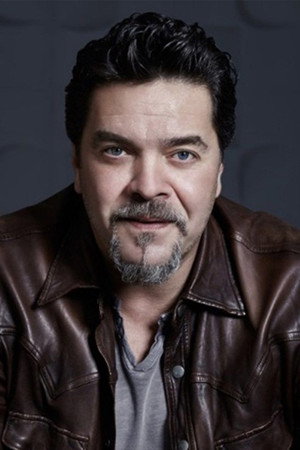
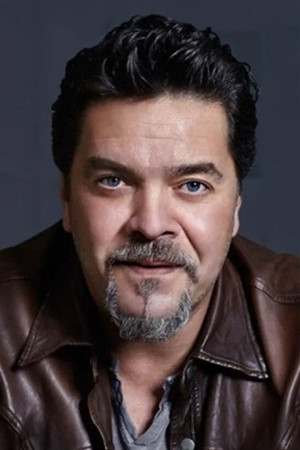
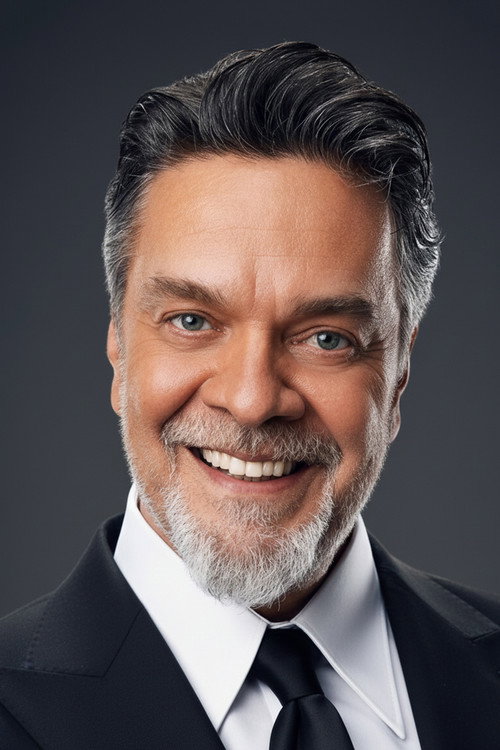
Originally from Artvin, Beyazıt Öztürk was born on March 12, 1969, in Bolu, as the second son of a civil servant family. On his father’s side, he is of Georgian descent. He graduated from Anadolu University, Faculty of Fine Arts, Department of Ceramics. Öztürk, who was also a licensed basketball player, began engaging in radio broadcasting while continuing his university education. At a time when the number of private television channels and radio stations was rapidly increasing, he started working at Eskişehir radios together with his roommate. However, because he could not pronounce the letter “r,” his desire to become a presenter was rejected, and he was limited to preparing programs. Nevertheless, by bending the rules, Öztürk managed to get his voice heard by listeners and gained appreciation with his unique and humorous style. Later, he continued presenting programs at “Genç Radyo,” founded by his roommate, and together with his friends, launched a satirical magazine with political content called “Gına.” He used the nickname “Beyaz” for the first time under the cartoons he drew for this magazine. During his time in Eskişehir, Öztürk held two sculpture, two ceramic, and one cartoon exhibition. Upon receiving an offer from Klas FM in Istanbul, he entered the radio profession professionally. He produced various television programs on Number One TV and Kanal 6. His real fame came through Beyaz Show on Kanal D and Star TV.
Filmography Movies
Acting
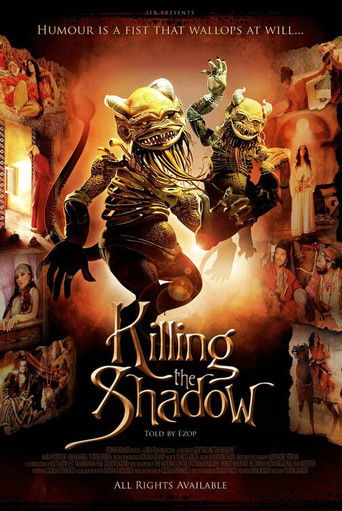
Killing the Shadows
Killing The Shadows is a bawdy comic fable set in the Ottoman Empire during the mid-14th century based on two legendary figures in Turkish folkore, the jester Hacivat (Beyazit Ozturk) and the nomad Karagoz (Haluk Bilginer), men who apparently lived and died by their sense of humour.
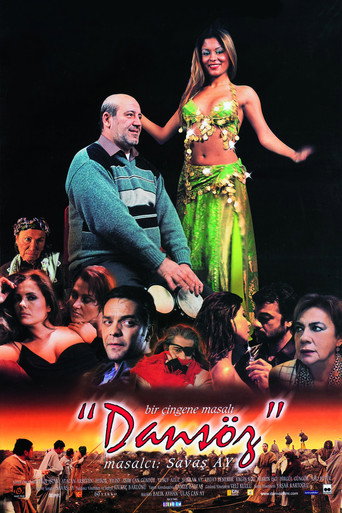
Dansöz
Cobra, a famous oriental dancer who captivates everyone, is shot by a man she loves one day and becomes disabled. The film tells us about the world and lifestyle of the gypsies through a story of love, hate, and death.
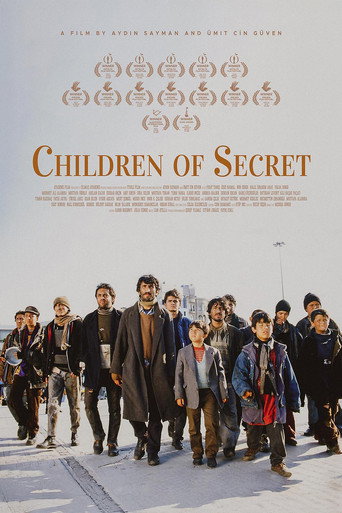
Children of Secret
Ten years old Cemil runs away from his stepfather who tortures him and his mother and ends up in Istanbul. Veli Firat Tanis, the leader of a gang which Cemil takes refuge in Haydarpasa, tries to send him back to his home by putting his pocket money. While the gang gather money for Cemil, they, at the same time, suffer from harsh living conditions. In the mean time Cemil's mother Münevver comes to Istanbul in the hope of finding her son.
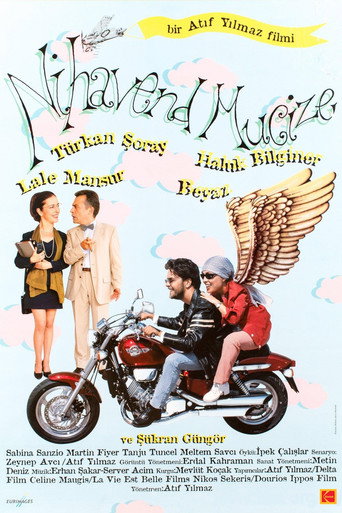
Nihavend Mucize
Suzan died 25 years ago. But after seeing his son's loneliness and despair in the world, he had to return to the world at the end of these 25 years. The world he left is completely different from the world he finds. Suzan suffers from a deep adaptation to this change. After a while, he realizes that he must adopt such a fit.
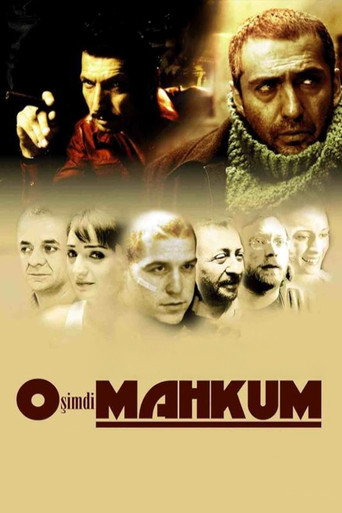
He's Convict Now
Sequel of He's in Army Now. The film has received four awards at the Antalya Golden Orange.

Gallery