Acting
Betty Shabazz, also known as Betty X, was an American educator and civil rights advocate. She was married to Malcolm X.
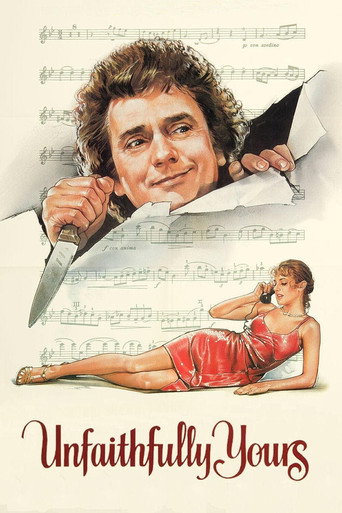
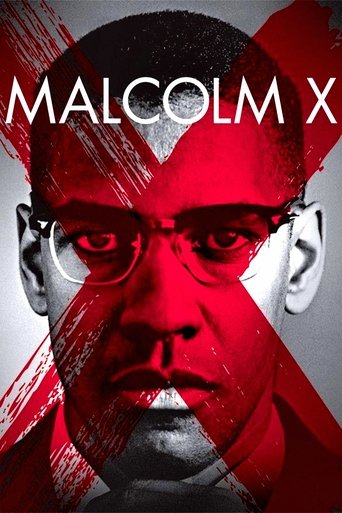
A composer—who suspects his wife of cheating—plots to kill her and frame it on her lover, but things don't turn out as planned.
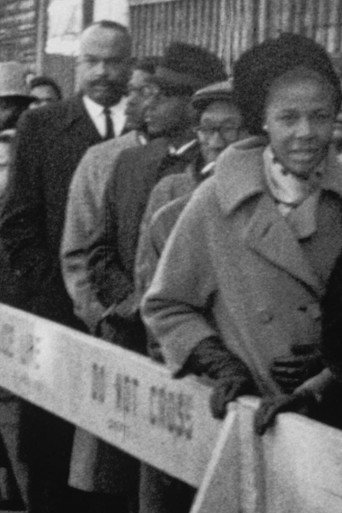
A short film made for William Greaves' "Black Journal" that discusses the influence of Malcolm X, and includes an interview with his widow, Betty Shabbazz.
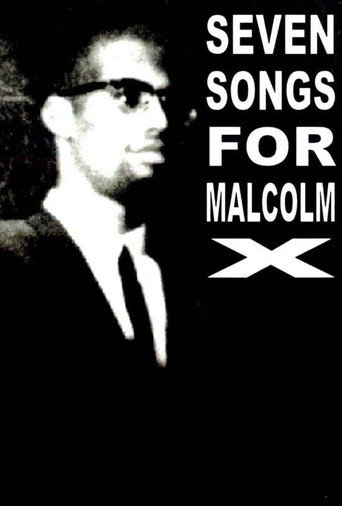
The Black Audio Film Collective’s seventh film envisioned the death and life of the African American revolutionary as a seven part study in iconography as narrated by novelist Toni Cade Bambara and actor Giancarlo Espesito. The stylized tableaux vivants that memorialise Malcolm’s life referenced the early 20th century funeral photography of James Van der Zee’s The Harlem Book of the Dead and the elemental static cinematography of Sergei Paradjanov’s The Colour of Pomegranates.
It covers the activities of Malcolm X University in Durham, North Carolina (which operated for only three years), but above all devotes an entire segment to the Black athlete, focusing on an episode at the University of Wyoming, where 14 football players were suspended after attempting a protest against the rival team’s religious and racial views, the Brigham Young University. The 1960s black student movement at Duke University evolved into a separate institution to study and engage with the history and culture of the African diaspora. This film was produced for the National Educational Television (WNET) Black Journal.
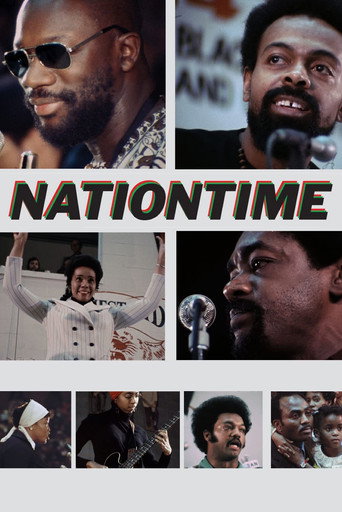
A report on the National Black Political Convention held in Gary, Indiana, in 1972, a historic event that gathered Black voices from across the political spectrum, among them Jesse Jackson, Dick Gregory, Coretta Scott King, Richard Hatcher, Amiri Baraka, Charles Diggs, and H. Carl McCall.
Narrated by actress Alfre Woodard, this trenchant, eye-opening doc traces the radical civil rights leader’s life from his tumultuous childhood, through his rise in the ranks of the Nation of Islam, to his 1965 assassination.
CBS News looks at Malcolm X, focusing on his public life from 1959 to his assassination in 1965, suggesting that his death was a great loss to the nation. The film intercuts archival footage of Malcolm and interviews with family, friends, colleagues, scholars, and writers. CBS documents Malcolm's move from being Elijah Muhammad's deputy in the Nation of Islam to his embrace of Islam: his new links with the civil rights movement posed a real threat to the powers that be. CBS details his death after secret FBI acts to increase the rift between Muhammad and Malcolm. Maya Angelou, Dick Gregory, and Andrew Young offer trenchant comments. "He was our manhood," eulogized Ossie Davis.
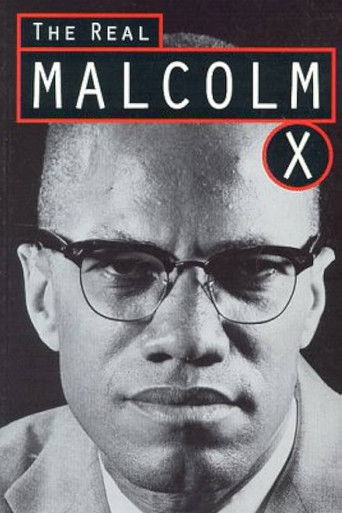
A tribute to the controversial black activist and leader of the struggle for black liberation. He hit bottom during his imprisonment in the '50s, he became a Black Muslim and then a leader in the Nation of Islam. His assassination in 1965 left a legacy of self-determination and racial pride.