Bertrand Van Effenterre Movies, TV Shows, and Filmography
Bertrand Van Effenterre
Directing
Biography
No biography available.
Filmography Movies
Acting
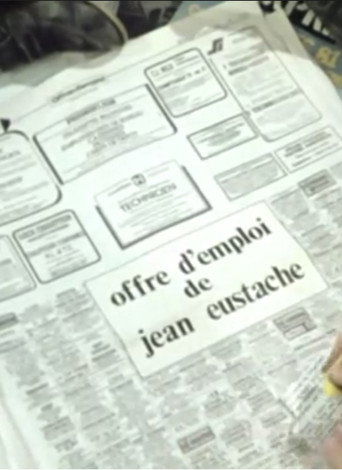
Employment Offer
A man looks for a job, ignoring the selection process of employees. Part of "Contes modernes: A propos du travail."
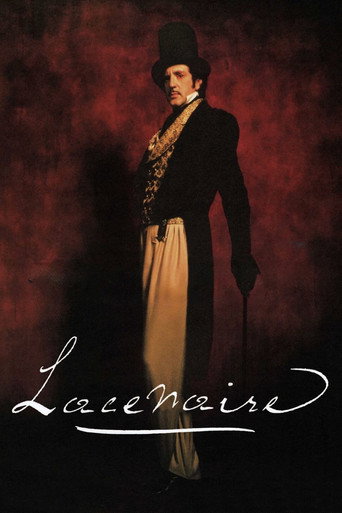
The Elegant Criminal
On 9 January 1836, Pierre Lacenaire goes to the guillotine, a murderer and a thief. He gives Allard, a police inspector, his life story, written while awaiting execution. He also asks Allard to care for Hermine, a lass to whom he has been guardian for more than ten years. In flashbacks, from the prison as Lacenaire writes, from Allard's study as he and Hermine read, and from other readers' memory after the book is published, we see Lacenaire's childhood as he stands up to bullies, including priests, his youthful thieving, his first murder, his brief army career, his seduction of a princess, and his affair with Avril, a young man who dies beside him.
Production
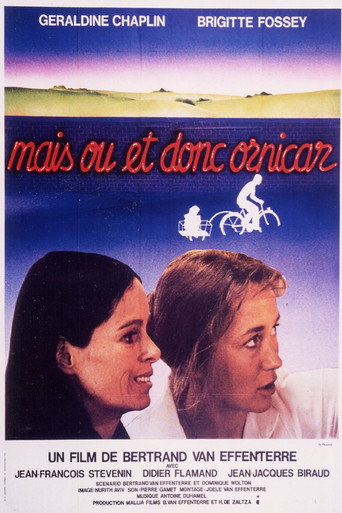
Mais où et donc Ornicar
They are in their thirties. They have now children, an appartment, a work, cars... and still have loves, dreams and passions. They will meet each other, leave each other, under the eye of their kids.
Mais où et donc Ornicar
They are in their thirties. They have now children, an appartment, a work, cars... and still have loves, dreams and passions. They will meet each other, leave each other, under the eye of their kids.
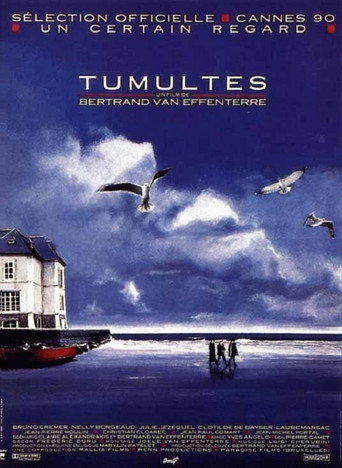
Tumultes
A death in the family. Patrick dies and his three sisters gather at their parents' home in Normandy. Anne, the oldest, is steady, married with two children, showing little emotion. Isabelle, who's cut herself off from her family for eight years, returns from Paris. Claude, Patrick's twin and still a student, grieves for her other half. Along with their parents, each must face family grievances first before they can grieve together for Patrick. Then comes the revelation of how he died, and new feelings come to the fore. Can a death help a family to heal, coax an aging mother back to sanity, bring a couple into each other's arms, and enable two sisters to grow?
Tumultes
A death in the family. Patrick dies and his three sisters gather at their parents' home in Normandy. Anne, the oldest, is steady, married with two children, showing little emotion. Isabelle, who's cut herself off from her family for eight years, returns from Paris. Claude, Patrick's twin and still a student, grieves for her other half. Along with their parents, each must face family grievances first before they can grieve together for Patrick. Then comes the revelation of how he died, and new feelings come to the fore. Can a death help a family to heal, coax an aging mother back to sanity, bring a couple into each other's arms, and enable two sisters to grow?
Tumultes
A death in the family. Patrick dies and his three sisters gather at their parents' home in Normandy. Anne, the oldest, is steady, married with two children, showing little emotion. Isabelle, who's cut herself off from her family for eight years, returns from Paris. Claude, Patrick's twin and still a student, grieves for her other half. Along with their parents, each must face family grievances first before they can grieve together for Patrick. Then comes the revelation of how he died, and new feelings come to the fore. Can a death help a family to heal, coax an aging mother back to sanity, bring a couple into each other's arms, and enable two sisters to grow?
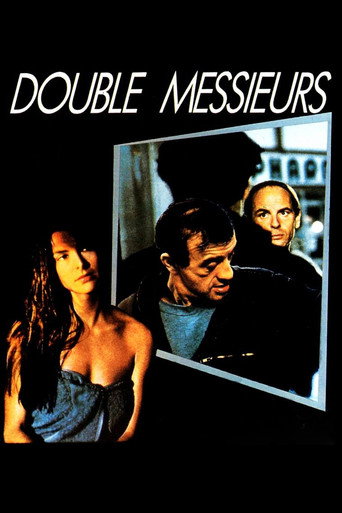
Double Gentlemen
In a routine look at what it means to finally leave adolescence behind — even in one’s mature years — this series of mood swings and sequences focuses on two grown men. Francois (Jean Francois Stevenin, the director) and Leo (Yves Alonso) are old friends, and at one point they decide to go out and search for one of their childhood buddies, the brunt of several of their practical jokes. In true form, the men opt for playing yet another practical joke on their friend, but their plans backfire when his wife Helene (Carole Bouquet) comes into the picture instead. Her presence forces them to reconsider their shenanigans in a new light.
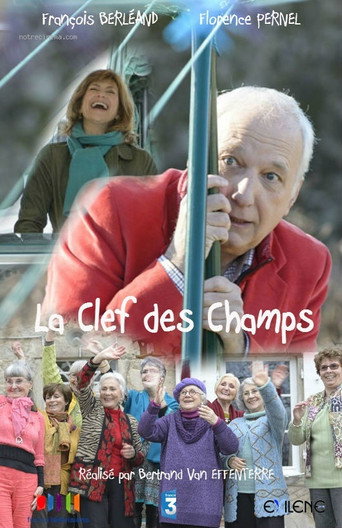
La clef des champs
Fred Bonnemaison, a driven and self-centered Parisian food writer has to return to his home town, Lyon, when his mother, a lively octogenarian, runs away to join a community of free-thinking widows.

Erica Minor
Crossed portraits of three women each living in the aftermath of the events of May 1968.