Acting
No biography available.
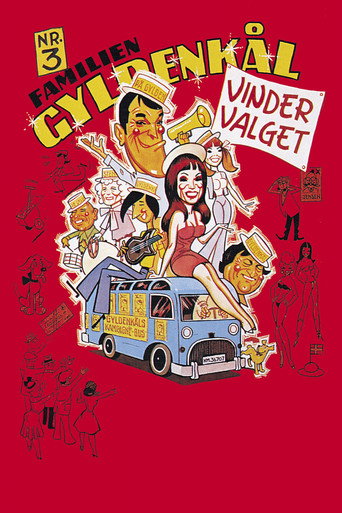
The final film in the Gyldenkål trilogy. Following a financial downturn, Charles Gyldenkål decides to run for municipal office. After an unconventional election campaign, he is elected to the city council and becomes the deciding vote in the mayoral election.
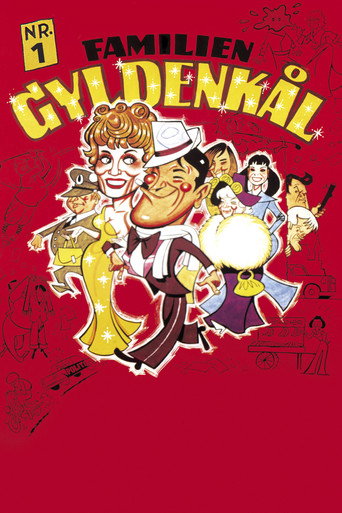
The family Gyldenkål is actually called Iversen, but have changed their name, after numerous problems with the IRS, loan sharks and employers. Using clever scams, the family builds up a reputation as a wealthy and respectable part of society.
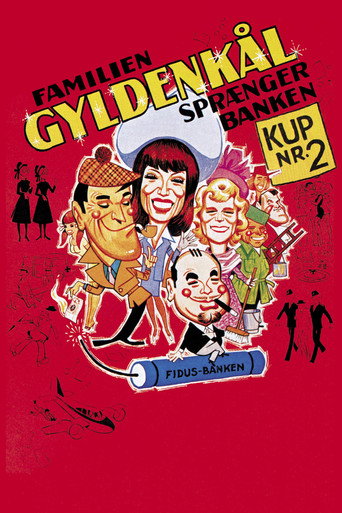
The second film in the series about the enterprising Gyldenkål family. Now the family has climbed to the top of the social ladder, but unexpected demands from the tax authorities mean that a forced auction is imminent. So they embark on their biggest scam yet: defrauding Fidusbanken.
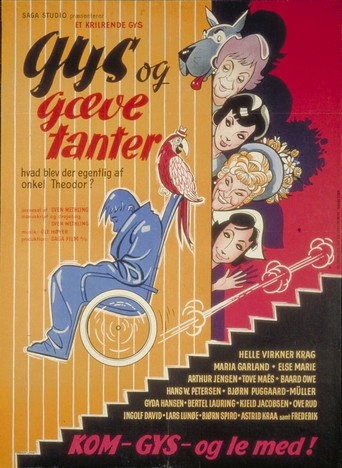
Bettina Eriksen, manager of her Uncle Teodor's nursing home, is being framed for murder. With the help of 2 older ladies, Bettina sets out to find out the murderer's identity and motive.
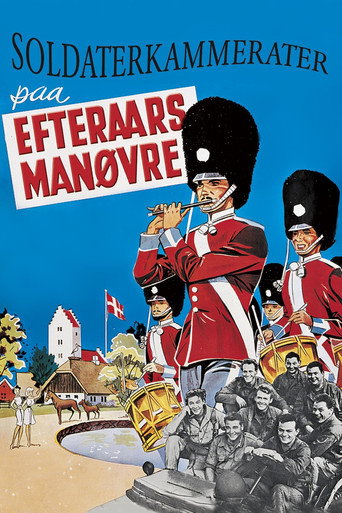
The old comrades are called up for three weeks of autumn maneuvers. They are usually more interested in beer, girls, and cheerful music, but Sergeant Vældegaard is determined to scrape the civilian rust off the "boys." Their old friends from their days as recruits have remained in the system as platoon leaders and sergeants, respectively, but that does not dampen the fun. In the heat of battle, the schoolteacher finds time to flirt with his Lotte Corps colleague Birthe.
Caretaker Alf Thomsen's very effective "alarm clock" comes once again in operation, and has again succeeded in getting him up to speed, despite their incessant discussions back and forth. Everything is peaceful and idyllic. Sleeping city housing block, with the famous staircase is to embark on a new day
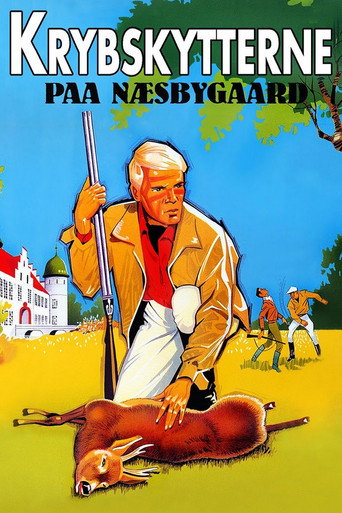
At the Næsbygaard estate, the old landowner misses his grandson Martin, who is on a cattle farm in Texas learning about agriculture. The estate's shooter is ill, so the stud master has to take care of his job as well. This comes at a time when he is training hard for the gallop race for the King's honorary prize. To help lift their spirits, they are visited by some children from Copenhagen who are on vacation. When serious problems arise involving poaching on the estate's land, the children help to solve the case. The stud farm manager is injured, and it looks as if the estate's horse will not be able to participate in the big gallop race. But luckily, young Martin returns home from Texas just in time....
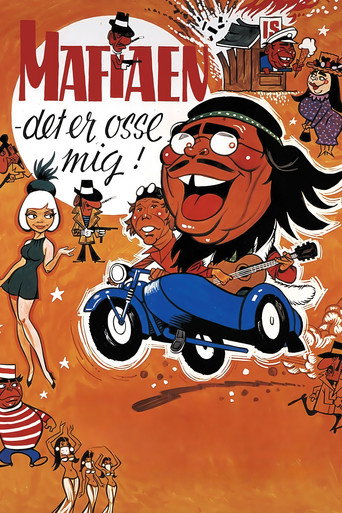
Petty crook “Viffer” Hansen pulls off a daring $10 million swindle selling Copenhagen’s Rundetårn to an oil sheikh, then substitutes the loot with expertly forged bills thanks to his counterfeit friend Valde. Hounded by both the mob’s Don Luigi, who promised Viffer the hand of his shrill-voiced daughter Elvira as reward, and the betrayed sheikh’s thuggish enforcer Olfert, Viffer adopts a new disguise, suffers amnesia in a madhouse, and narrowly escapes to face the final showdown when Luigi and Elvira arrive in Denmark to collect on his broken promise.
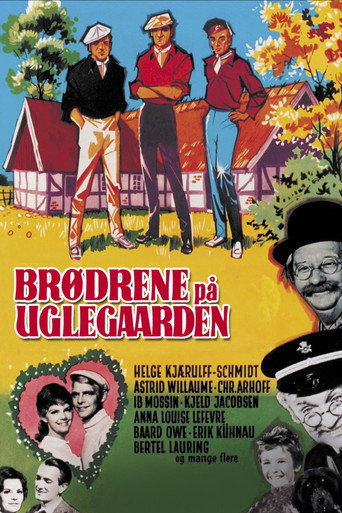
Somewhere on the island of Funen, where the hedgerows surround the meandering fields, lies Uglegaarden. It is the largest and richest farm in the parish, and is owned by the widow Dora and her three brooding stepsons Karl, Viggo and Thomas. Their regular haunt is the village inn, where the crone Sara has to put up with their coarse-grained advances. The three brothers have big plans for the small neighboring farm Mosegaarden. They have discovered that under Mosegaarden's lean fields and high slopes there are large quantities of raw gravel. Chr. Thorup, who owns the site, has mortgaged the farm far above the chimneys. Now the Uglegaards brothers are just waiting for the right time to take over Mosegaarden. But when Thorup's son, Henrik, unexpectedly shows up at Mosegaarden, the three brothers' sinister plans are thrown into disarray.
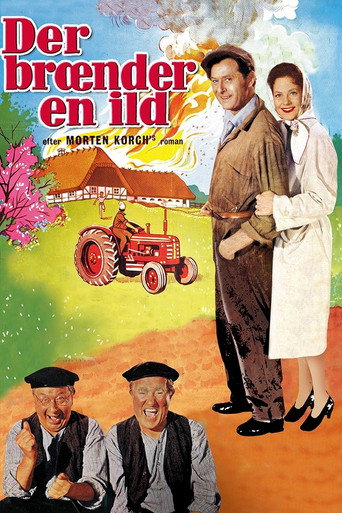
Martin returns home with a good sum of money in his pocket after working in Greenland. He settles down with his sister, who runs the inn – but much has changed. He is most disappointed that his childhood sweetheart Martha has married Just Hovmand, who owns the Lunehøj farm. Martin starts a machine station and is immediately ready to help Martha and her husband when they run into financial difficulties. But stubborn Just refuses to accept money from Martha's former boyfriend. As usual in a good Morten Korch film, there are a couple of pleasant 'cousins' – Chr. Arhoff and Peter Malberg – and they come up with many good solutions...