Directing
Bernd Upnmoor is a German avant-garde filmmaker and actor. He lives and works in Hamburg.
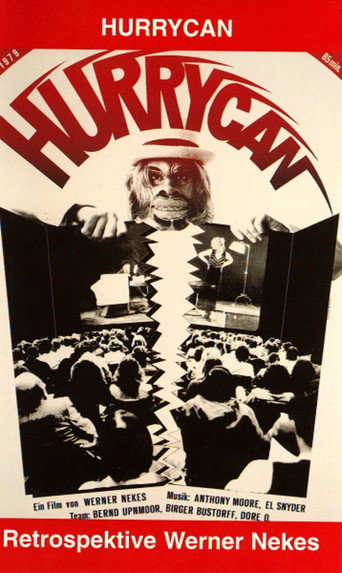
Hurrycan has nothing to do with whirlwinds, although in this Nekes film the pictures journey across the screen, excitedly, spasmodically and flickering. The title weds the element of haste with the notion of a film can, which in this case turns out to be something of a Pandora's Box and contains expectations for a new way of seeing. A computerized shutter system that Nekes had built.
A documentary about the 'critical mass', the Film Coop, a group of young filmmakers in Hamburg during the 1960s - a small group far from the Mainstream or the New German Cinema.
In conversations with his friends and colleagues, among them Bernd Upnmoor, Helmut Herbst, Alexander Kluge, Klaus Wyborny, Daniel Kothenschulte and Helge Schneider, Ulrike Pfeiffer takes us on a journey into the broad expanse of Nekes' cabinet of wonder and his cinematic works. At the same time, this documentary provides an insight into the history of experimental film in Germany.
An experimental film about the interpenetration of various levels of communication, dealing with the relationship of the pictorial functions to those of sound (direct sound).
This film subtly contrasts banal reality with parody, using technical film techniques like time lapse and color filtering to parallel a home theater screening with a seduction scene. The director skillfully stimulates the viewer’s erotic imagination in a delicate and ironic manner, while also incorporating amateur film flaws dramaturgically and adding a socially critical, satirical element.
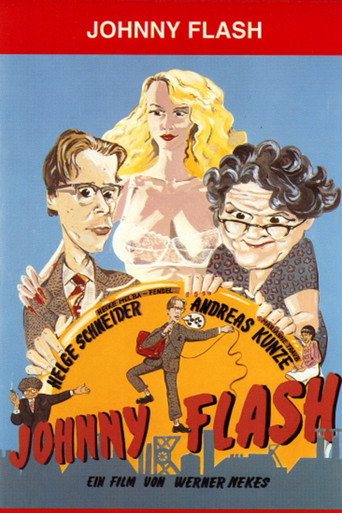
Jurgen is an unknown electrician with a dream of pop stardom. His mother browbeats him into fame, while two managers compete for his contract. All Johnny really wants to do is get some sleep.
Short film that might or might not be about murder.
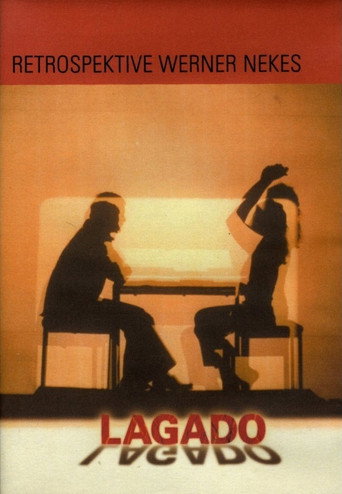
A film director's personal ad, seeking a woman who is also a filmmaker.
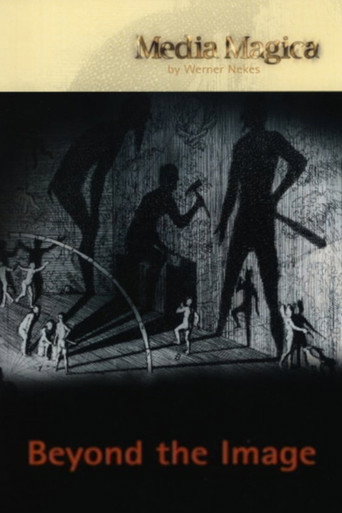
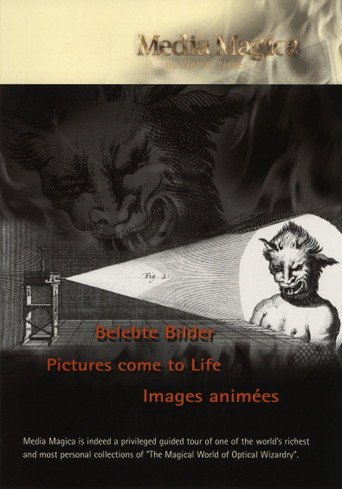
The film traces the history of the camera obscura, the understanding of perspective and anamorphosis, peepshows and it shows the beauty of historical shadowtheaters and shadow toys.
The history of the magic lantern with demonstrations of moving slides, watertank or polarisation slides, followed by images on paper, which are brought to life with mechanical manipulations, with light shining through them or as panorama.
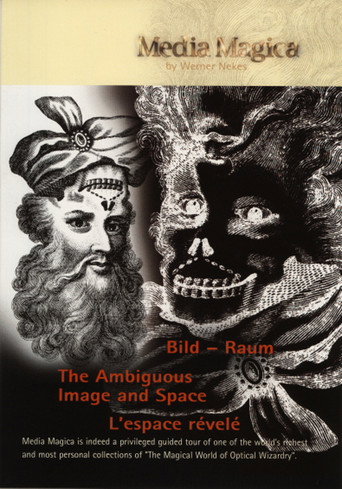
The film looks at ways of creating spezial illusions through amiguous images, perspective theatres, folding peepshows and from the 19th century, the stereoscope, which look forward to today’s holography.
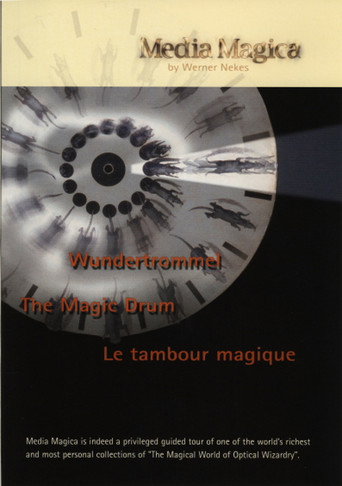
Other essential predecessors of film were those devices that created the illusion of motion by taking advantage of the persistence of vision and the stroboscopic effect, such as the thaumatrope, phenakistoscope or wheel of life, zoetrope or magic drum and praxinoscope and later on, the more sophisticated flip-books such as the kinora and mutoscope.
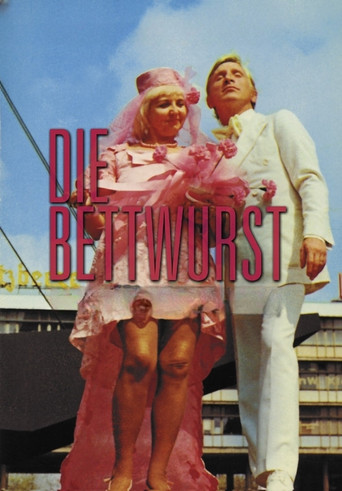
It is love at first sight: elderly secretary Luzi and young, unemployed Dietmar find each other by accident in Rosa von Praunheim’s outrageous genre, social satire.