Writing
No biography available.
Video containing a fragment of the journalistic reportage "Roma 4 - Passeggiate per la città" (1967) by Bernardino Zapponi and Stefano De Stefani, where attention is directed to Cinecittà and in particular to the sets where, in that period, numerous scenes were shot of Italian western films, the so-called "spaghetti westerns".
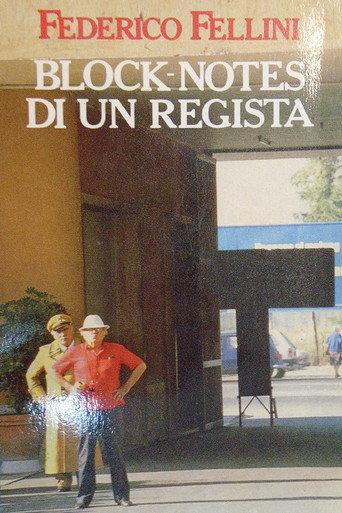
Fellini discusses his views of making motion pictures and his unorthodox procedures. He seeks inspiration in various out of the way places. During this film viewers go with him to the Colisseum at night, on a subway ride past Roman ruins, to the Appian Way, to a slaughterhouse, and on a visit to Marcello Mastroianni's house. Fellini also is seen in his own office interviewing a series of unusual characters seeking work or his help.
During his preparation for his film on Casanova Fellini asks a number of renowned actors to give him their view on the character of Casanova.
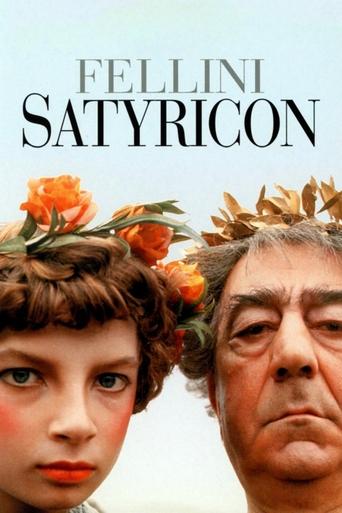
After his young lover, Gitone, leaves him for another man, Encolpio decides to kill himself, but a sudden earthquake destroys his home before he has a chance to do so. Now wandering around Rome in the time of Nero, Encolpio encounters one bizarre and surreal scene after another.
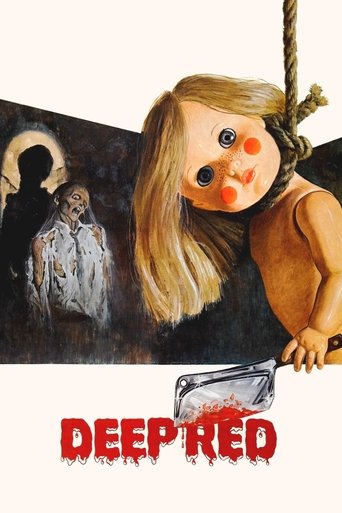
An English pianist living in Rome witnesses the brutal murder of his psychic neighbor. With the help of a tenacious young reporter, he tries to discover the killer using very unconventional methods. The two are soon drawn into a shocking web of dementia and violence.
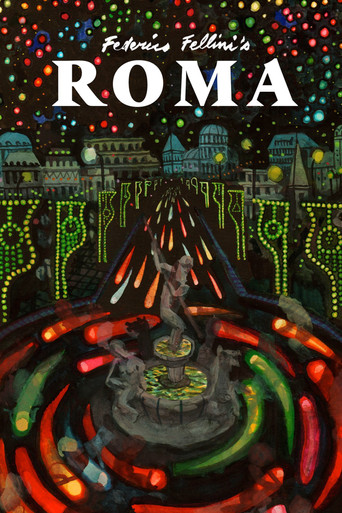
A virtually plotless, gaudy, impressionistic portrait of Rome through the eyes of one of its most famous citizens.
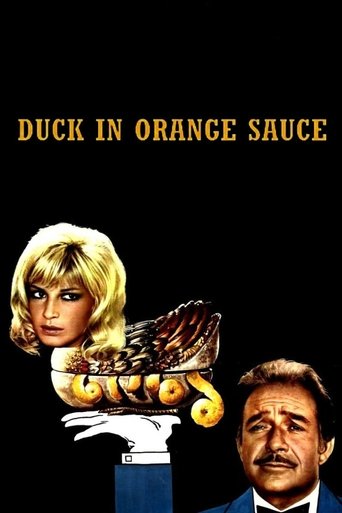
When his wife wants a divorce -- in preference of a romantic Frenchman -- husband Livio seemingly accepts. But when he sets up a last weekend together with his secretary and his wife's lover, the trip turns out to be part of an elaborate plan to win his wife back.
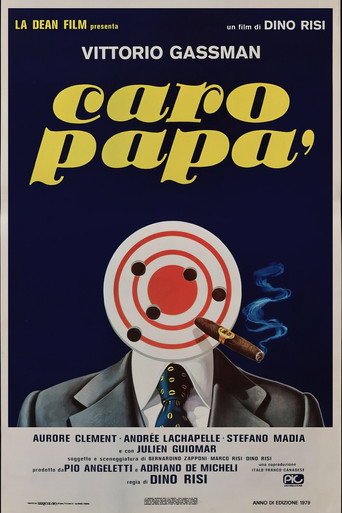
In Caro papá, Dino Risi is telling the story of the decadent lifestyle, and dysfunctional family, of a wealthy businessman (played to perfection by Risi's favorite leading man, Vittorio Gassman). Risi paints his portrait against a backdrop of an Italy where the new permissiveness has run rampant, traditional socio-cultural values have been usurped by consumerism, and the streets have become an open battleground for politically extremist groups (the '70s were dubbed "The Years of Lead" due to the great number of terrorist acts, and politically motivated assassinations).
The lives of two local professional dancers change suddenly as American soldiers stop in their town hoping to be entertained in accordance with the Broadway style. Effectively, they perform up to their expectations. However, as the army men have to march northward, their moment of glory finishes heartlessly.
A comedy film composed of 14 episodes. It is a sequel to I mostri, made in 1963. 1. The Finch of Val Padouan (Ettore Scola) - 2. Tantum ergo (Dino Risi) - 3. Hitchhiking (Mario Monicelli) - 4. Kidnapping of a Beloved Person (Ettore Scola) - 5. First Aid (Mario Monicelli) - 6. Big Boy to His Little Mother (Dino Risi) - 7. Model Citizen (Ettore Scola) - 8. Pornodiva (Dino Risi) - 9. Like a Queen (Ettore Scola) - 10. Inn! (Ettore Scola) - 11. Without Words (Dino Risi) - 12. The Funeral Oration (Ettore Scola)
Over two decades after their affair ended, a married man is haunted by the presence of his former lover.
After eighteen years of psychiatric care, the former bank manager Augusto Scrivani returns home from his daughter-in-law Carla. Dino Risi directs a melancholy and scratchy Gassman.