Bernard Hepton Movies, TV Shows, and Filmography
Bernard Hepton
Acting
Biography
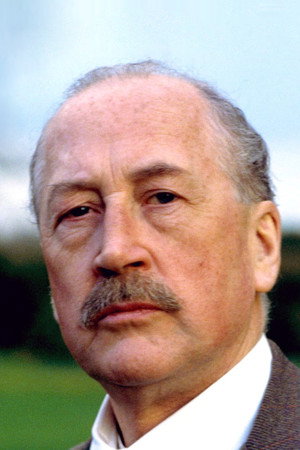
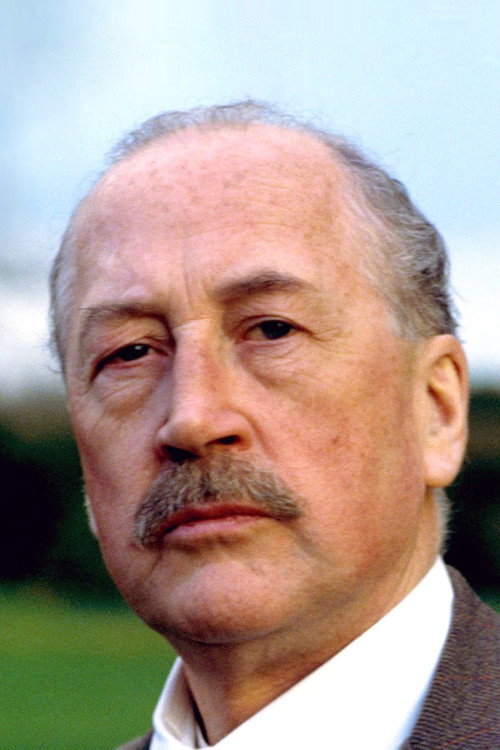
Bernard Hepton (born 19 October 1925 - 27th July, 2018) was a British actor of stage, film and television. Hepton was known as a particularly versatile character actor. He trained at Bradford Civic Theatre school under Esme Church along with actors such as Robert Stephens. He had extensive stage experience as an actor, under Sir Barry Jackson in addition to a spell as Artistic Director of Birmingham Rep and Liverpool Playhouse. On television, he played Toby Esterhase in the BBC Television adaptations of Tinker, Tailor, Soldier, Spy and Smiley's People, and George Smiley in the radio adaptations. He also played the Kommandant in Colditz (1972–74), and later appeared for the same production team as Albert Foiret in three seasons of Secret Army (1977–79). Before that he had made a guest appearance in an episode of the first series of Catweazle in 1970 where he played a naturalist. Other notable performances included Thomas Cranmer in both The Six Wives of Henry VIII (1970) and Elizabeth R (1971). He played Sam Toovey in the 1989 television adaptation of Susan Hill's ghost story The Woman in Black. On radio Hepton played the role of Albert, in Stranger In The Home by Alan Dapre, also the role of The Old Man in the Corner, the Baroness Orczy amateur, and mostly sedentary, sleuth in the BBC dramatizations called The Teahouse Detective (1998–2000). His appearances in feature film were less frequent. He made a brief appearance as Thorpey, a gangster in the classic British film Get Carter (1971), and had another small role, as Milton Goldsmith, in Voyage of the Damned (1976). He was a fan of the Rugby League team Hunslet Hawks and also played stand-off for them in the 1952/53 season, winning a Yorkshire Cup Medal. Description above from the Wikipedia article Bernard Hepton, licensed under CC-BY-SA, full list of contributors on Wikipedia.
Filmography Movies
Acting
Shadey
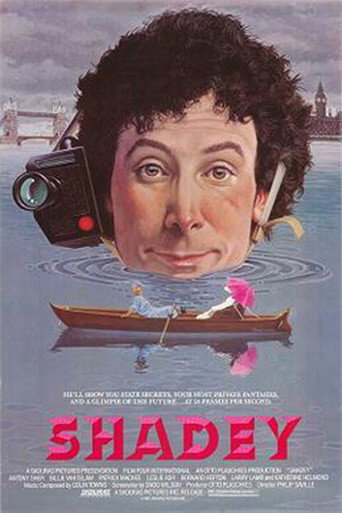
A young man discovers that not only does he have the ability to read minds, but that if he holds a camera next to his head he can transmit the thoughts he sees onto film.
Emma
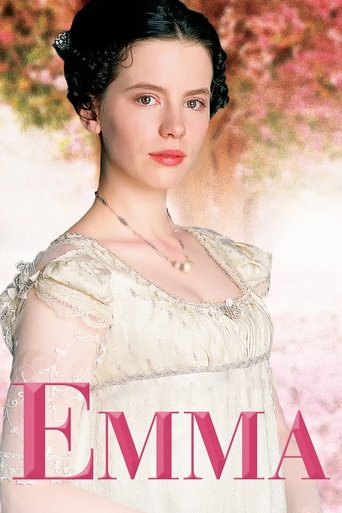
Emma Woodhouse is a congenial young lady who delights in meddling in other people’s affairs. She is perpetually trying to unite men and women who are utterly wrong for each other. Despite her interest in romance, Emma is clueless about her own feelings, and her relationship with gentle Mr. Knightley.
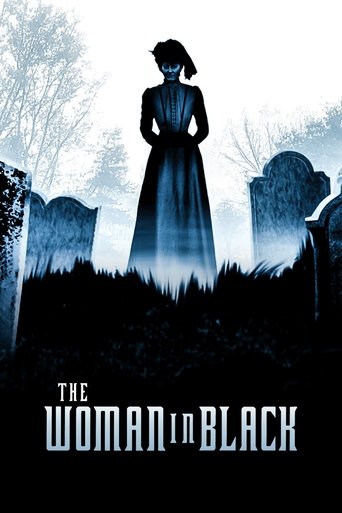
The Woman in Black
A lawyer travels to a small seaside town to settle the estate of a recently deceased woman, but soon becomes ensnared in something much more sinister.
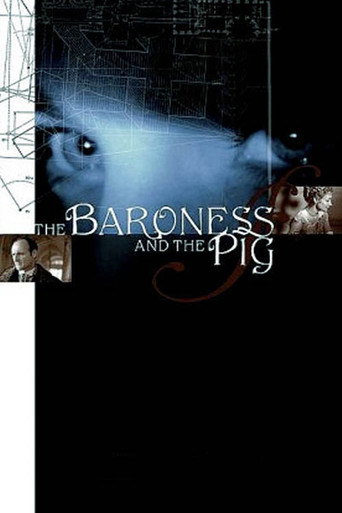
The Baroness and the Pig
A rich American woman and her French husband start a Parisian salon.
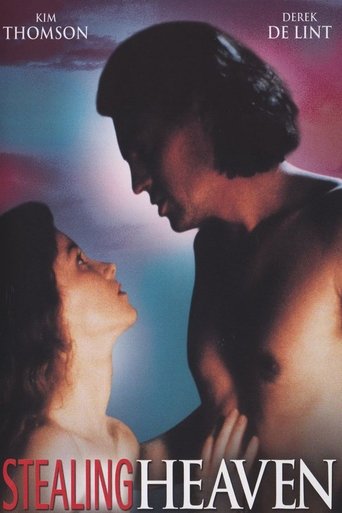
Stealing Heaven
Abelard, a famous teacher of philosophy at the cathedral school of Notre Dame, falls in love with one of his students, Héloïse d'Argenteuil. A sixteen-year old girl raised in a convent, Héloïse has an intellectual curiosity and rebels against the status of women in 12th century Europe. When others begin to suspect their relationship, Heloise's uncle Fulbert and the bishop of Paris work together to put a stop to it. Héloïse becomes pregnant with Abelard's child, and they are married in secret. Abelard struggles for acting against the will of God, yet is unable to escape his love for Heloise.
In The Cold Light Of Day
It is the late 1930s and some British households still eagerly await the arrival of electricity. When a pylon is erected in the garden, Morris's mother can't wait to show off her Swedish lumbago belt and toaster. But Morris is gripped by a deeper passion that will change his life - one that will not be illuminated for 50 years.
An Inspector Calls
An Inspector Calls is a play written by English dramatist J. B. Priestley, first performed in 1945 (in Russia) and 1946 (in the UK). It is considered to be one of Priestley's best known works for the stage and one of the classics of mid-20th century English theatre. The play's success and reputation has been boosted in recent years by a successful revival by English director Stephen Daldry for the National Theatre in 1992. This is a re-edited version of the 1982 BBC TV adaptation, originally serialised in three parts.
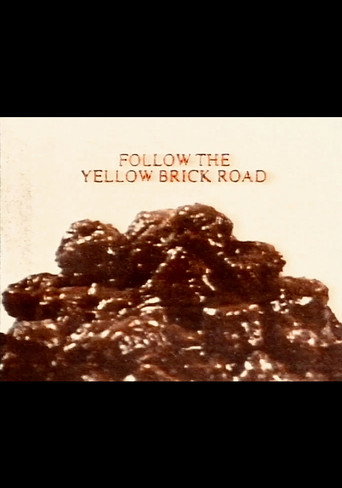
Follow the Yellow Brick Road
Jack Black is a disturbed commercial actor who believes himself to be trapped in a television play, followed around by an invisible camera.
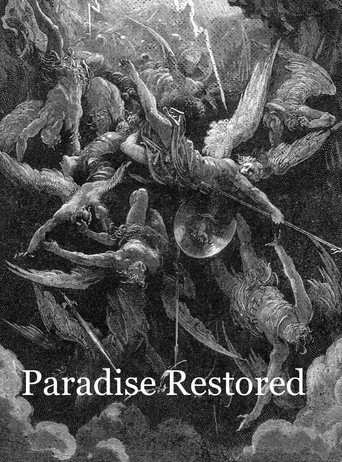
Paradise Restored
A fictionalised biography of the latter years of the poet, John Milton. Now an old man, blind and out of favour, Milton seeks to leave a plague-ravaged London and set-up home in the countryside.
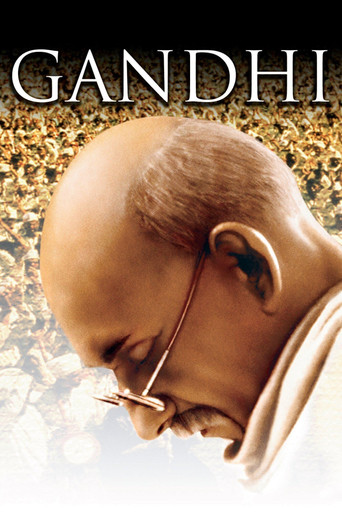
Gandhi
In the early years of the 20th century, Mohandas K. Gandhi, a British-trained lawyer, forsakes all worldly possessions to take up the cause of Indian independence. Faced with armed resistance from the British government, Gandhi adopts a policy of 'passive resistance', endeavouring to win freedom for his people without resorting to bloodshed.
Gallery