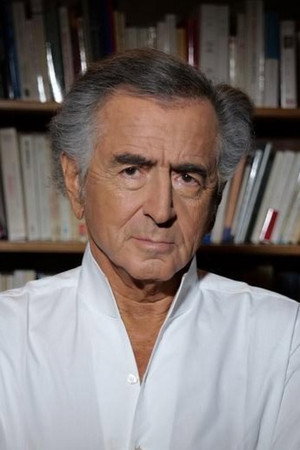
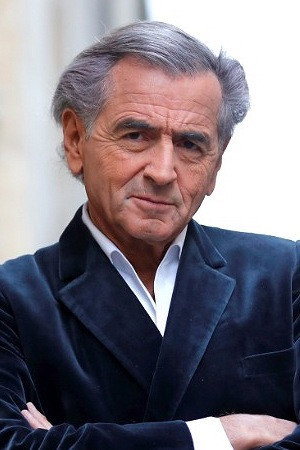
Bernard-Henri Lévy Movies, TV Shows, and Filmography
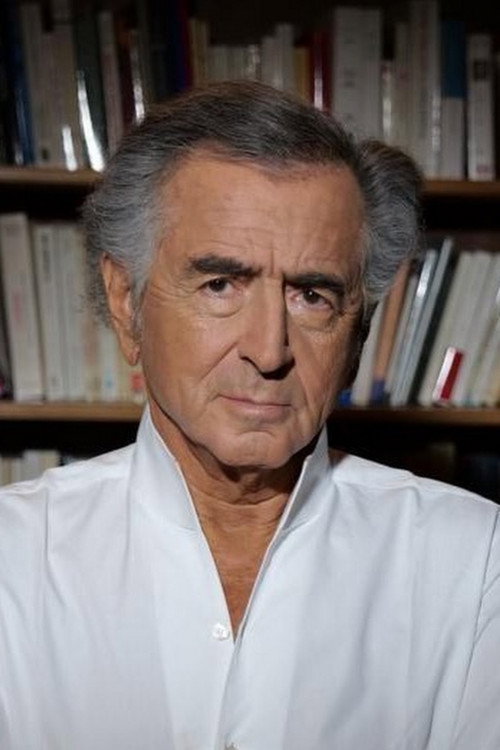
Bernard-Henri Lévy
Directing
Biography
Bernard-Henri Lévy is French. Often referred to in France simply as BHL, he was one of the leaders of the "Nouveaux Philosophes" movement in 1976. In 2015.
Filmography Movies
Acting
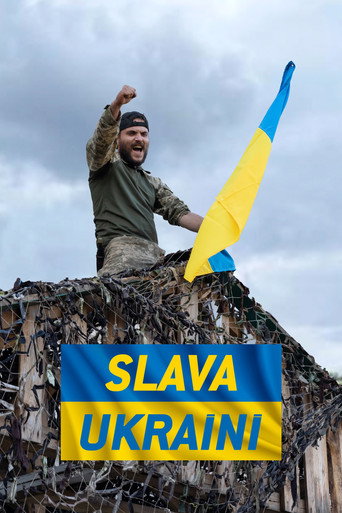
Slava Ukraini
One year after the beginning of the full-scale Russian invasion of Ukraine, philosopher Bernard-Henri Lévy takes us to the heart of the combat through this war diary made during the second half of 2022. From Kharkiv and Bakhmut to Kherson, in the aftermath of the city’s liberation, this documentary bears witness to the ravages of war through the testimonies of soldiers, chronicles of the front and portraits of civilians, and shares with us the struggle of the Ukrainian people.
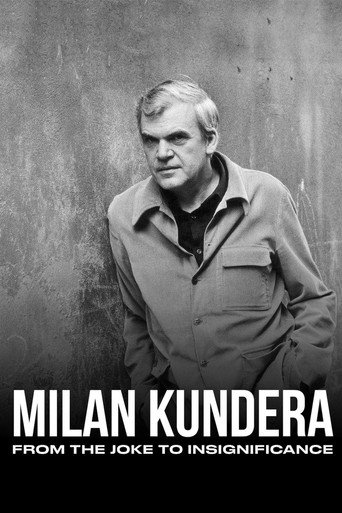
Milan Kundera: From the Joke to Insignificance
The brilliant Czech writer Milan Kundera has not given an interview in thirty years; nor does he appear in public. How did he become a legendary author? What is so unique about his books?
Stupor Mundi: Livre 2, Les Hommes qui mangèrent la montagne
A mental journey - historical, political, musical and metaphysical - in contemporary times, from the Sixties until nowadays.
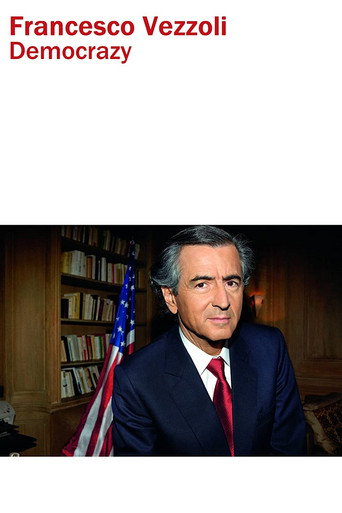
Democrazy
Francesco Vezzoli once wrote that "Washington, D.C. is like the Hollywood of worldwide politics." In "Democrazy," a diptych of films that explore presidential public relations with two campaign advertisements, Vezzoli casts actress Sharon Stone and French public intellectual Bernard Henri-Levy as Republican and Democratic candidates named Patricia Hill and Patrick Hill.
Bosnia!
The carnage in Sarajevo provides the focus of this French documentary which seeks to call attention to the terrible conflict in the hopes of finally ending it. The film is divided into five parts. Each part covers a time frame ranging from April 4, 1992, the beginning of the war, to the present. The major issues that occur are three-fold. It depicts the systematic genocide of Bosnians, the silence of Western countries, and the determination of the Bosnians to resist. They refuse to be seen as victims, even though the filmmakers portray them so. Also included are the origins and political aspects of the war. It offers interviews with participants. It also reveals how the U.S. State Department censored reports about Serbian death camps.
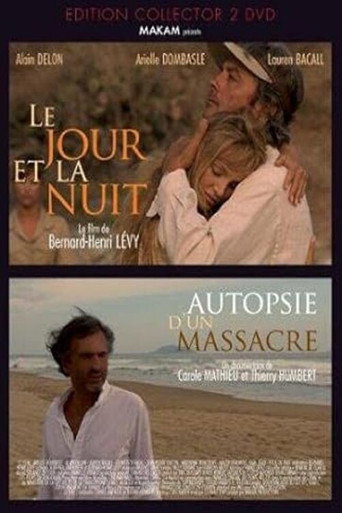
Autopsie d'un Massacre
13 years after the release of BHL's "The Day and the Night", a film recognized as the worst film of all time, two journalists look back on the reception of the film at the time of its release
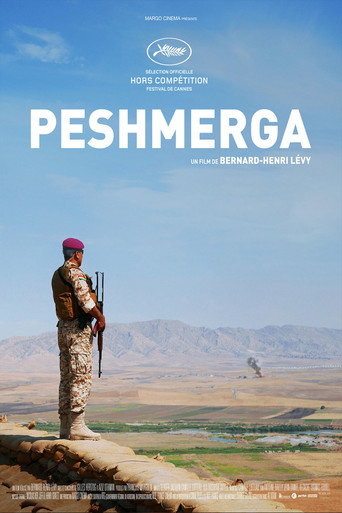
Peshmerga
From July to December 2015, with a camera team in tow, Bernard-Henri Lévy journeyed 1,000 km along the frontline separating Iraqi Kurdistan from Islamic State troops. The journey resulted in an illustrated logbook offering a special insight into an unfinished war with a global impact. Alongside the Peshmergas – Kurdish fighters imbued with a spirit of unfailing determination in their fight against obscurantism and jihadism, the film takes us from the heights of Mosul to the heart of the Sinjar mountains, passing the last Christian monasteries threatened with destruction along the way. A tale peopled by real characters, men and women whose faces are rarely seen...
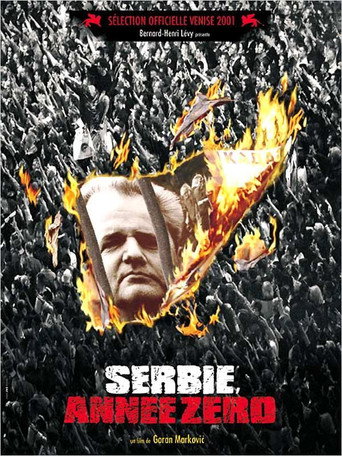
Serbia, Year Zero
Documentary that follows events after the fall of Slobodan Milosevic, while looking back on the previous fifteen years, tracing his rise to power. Personal testimony alternates with analysis of a disintegrating society.
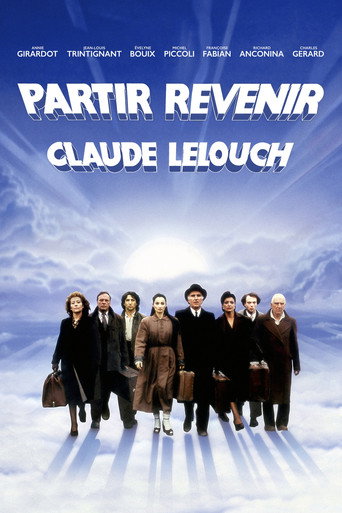
Going and Coming Back
Salomé Lerner just finished writing an autobiography. She goes to a TV show called "Apostrophes", hosted by French TV showman Bernard Pivot. Pivot then imagines a film that could be created from her gripping story. A film entirely made of music because after seeing the young pianist Erik Berchot, Salomé believes seeing her long lost brother, who was a musician as well. A brother she had lost along with her parents in 1943. However, the Lerners did in fact escape the gestapo and might have based themselves in Paris...
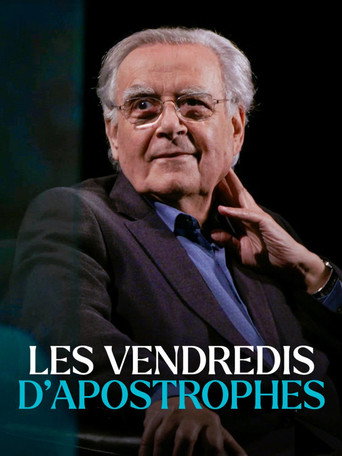
Les vendredis d'Apostrophes
Hours and historical meetings, Pierre Assouline has composed an anthology of the best extracts presented in the form of a primer, which he had commented on by a surprised Bernard Pivot.
Production
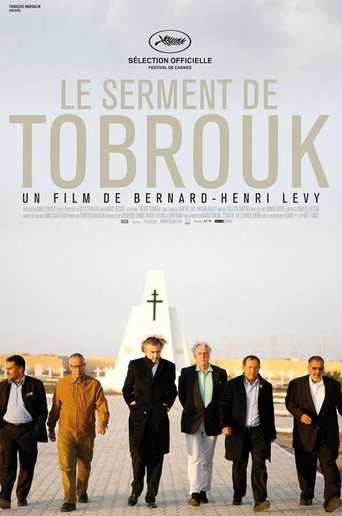
The Oath of Tobruk
The war in Libya as seen from the inside: both on the scene and as discussed by world politicians. After thirty years of chasing wars and conflicts, Bernard-Henri Lévy takes us along for a journey reminiscent of Malraux and Hemingway, though retaining a style all his own. Six-months of exceptional dramaturgy. Six months of a war for freedom, resulting in the fall of one of the longest, most relentless dictatorships of modern times. A war with a beginning but perhaps no end. The making of a war.
The Oath of Tobruk
The war in Libya as seen from the inside: both on the scene and as discussed by world politicians. After thirty years of chasing wars and conflicts, Bernard-Henri Lévy takes us along for a journey reminiscent of Malraux and Hemingway, though retaining a style all his own. Six-months of exceptional dramaturgy. Six months of a war for freedom, resulting in the fall of one of the longest, most relentless dictatorships of modern times. A war with a beginning but perhaps no end. The making of a war.
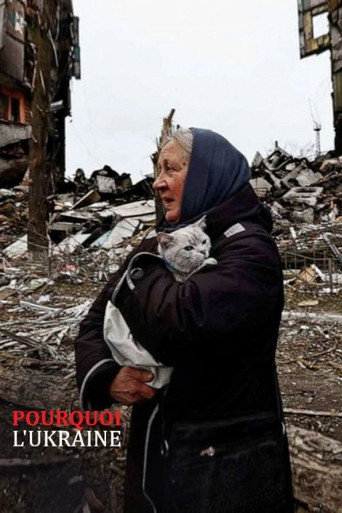
Why Ukraine?
Close to the ground, from the front line to the civil resistance, Bernard-Henri Lévy films the war in Ukraine and urges Europe to act. A poignant immersion that sounds like a call for help, in the name of democracy.
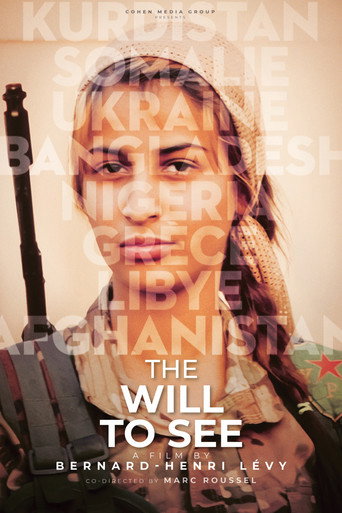
The Will to See
An old-time war reporter, philosopher and writer, BernardHenri Lévy is sent by a group of newspapers (Paris Match, La Repubblica, The Wall Street Journal, Der Stern, and others) to bear witness and report from places in the world where suffering and misery is at its peak: where wars are going on under our noses, the world’s fate is being determined, and no one, it seems, is paying attention. An unflinching look at the most urgent humanitarian crises around the globe.
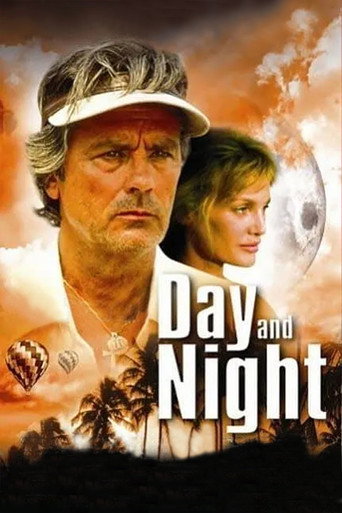
Day and Night
Ten years ago, distinguished French author Alexandre (Alain Delon) exchanged his stressful, hectic life in Paris for a more peaceful existence upon a Mexican hacienda with his wife Ariane (Marianne Denicourt). Lucien (Jean-Pierre Kalfon) also accompanies them. There, Alexandre meets the strange lady-oracle Sonia (Lauren Bacall). As the film opens, the melancholy Alexandre is visited by the sensuous actress Laure (Arielle Dombasle) and her producer Raoul Fillipi (Karl Zero) who is going to make a movie of one of Alexandre's best-loved books. Laure is determined to play the part of the heroine and is willing to resort to seduction to get it. At the same time, Ariane is involved in a passionate affair with French-Mexican seismologist Carlo (Xavier Beauvois). While all of these characters wrangle and tangle with their different agendas, the local residents prepare for a violent revolution. ~ Sandra Brennan, Rovi
Day and Night
Ten years ago, distinguished French author Alexandre (Alain Delon) exchanged his stressful, hectic life in Paris for a more peaceful existence upon a Mexican hacienda with his wife Ariane (Marianne Denicourt). Lucien (Jean-Pierre Kalfon) also accompanies them. There, Alexandre meets the strange lady-oracle Sonia (Lauren Bacall). As the film opens, the melancholy Alexandre is visited by the sensuous actress Laure (Arielle Dombasle) and her producer Raoul Fillipi (Karl Zero) who is going to make a movie of one of Alexandre's best-loved books. Laure is determined to play the part of the heroine and is willing to resort to seduction to get it. At the same time, Ariane is involved in a passionate affair with French-Mexican seismologist Carlo (Xavier Beauvois). While all of these characters wrangle and tangle with their different agendas, the local residents prepare for a violent revolution. ~ Sandra Brennan, Rovi
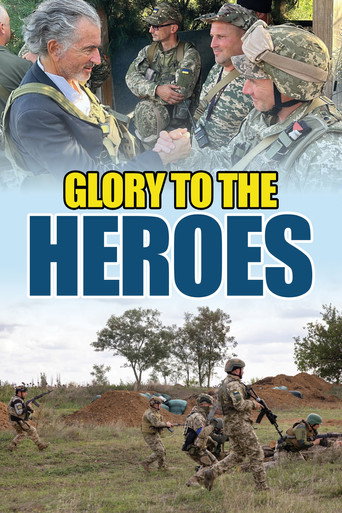
Glory to the Heroes
An eye-opening documentary capturing Ukrainian soldiers in trenches and civilians facing ongoing destruction by invading Russian military forces.
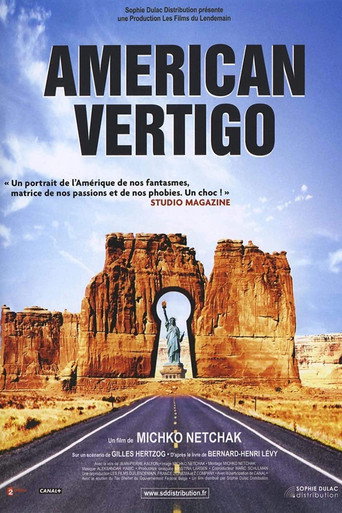
American Vertigo
A subjective documentary, a real logbook that follows the philosopher Bernard-Henri Lévy in the U.S.A.
Bosnia!
The carnage in Sarajevo provides the focus of this French documentary which seeks to call attention to the terrible conflict in the hopes of finally ending it. The film is divided into five parts. Each part covers a time frame ranging from April 4, 1992, the beginning of the war, to the present. The major issues that occur are three-fold. It depicts the systematic genocide of Bosnians, the silence of Western countries, and the determination of the Bosnians to resist. They refuse to be seen as victims, even though the filmmakers portray them so. Also included are the origins and political aspects of the war. It offers interviews with participants. It also reveals how the U.S. State Department censored reports about Serbian death camps.
Bosnia!
The carnage in Sarajevo provides the focus of this French documentary which seeks to call attention to the terrible conflict in the hopes of finally ending it. The film is divided into five parts. Each part covers a time frame ranging from April 4, 1992, the beginning of the war, to the present. The major issues that occur are three-fold. It depicts the systematic genocide of Bosnians, the silence of Western countries, and the determination of the Bosnians to resist. They refuse to be seen as victims, even though the filmmakers portray them so. Also included are the origins and political aspects of the war. It offers interviews with participants. It also reveals how the U.S. State Department censored reports about Serbian death camps.
Gallery