Bernard Freyd Movies, TV Shows, and Filmography
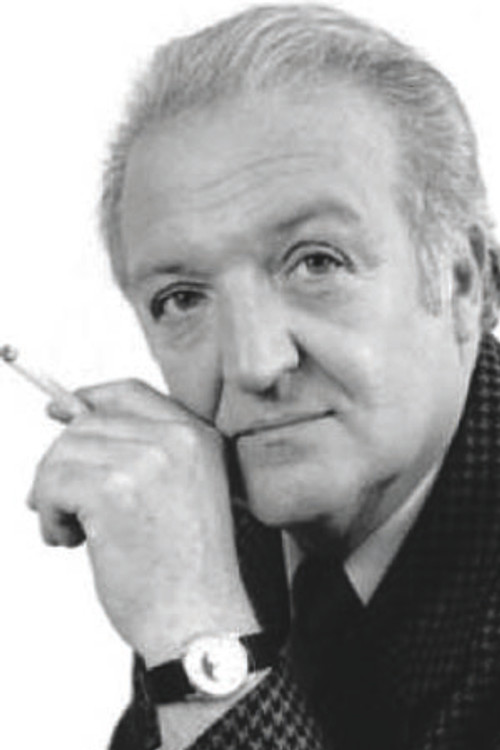
Bernard Freyd
Acting
Biography
No biography available.
Filmography Movies
Acting
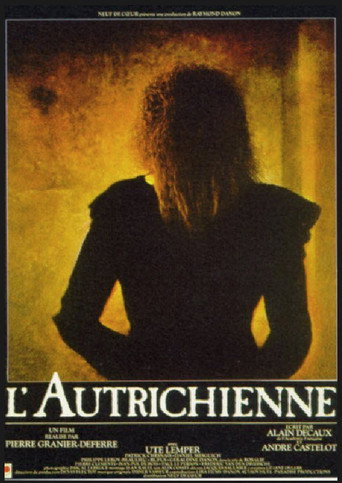
The Austrian
A woman is detained at La Conciergerie. She's 37 but her hair are already white. She's suffering from terrible haemorraghe. Her name is Marie-Antoinette of Lorraine, from Austria, and she's living her last four days.
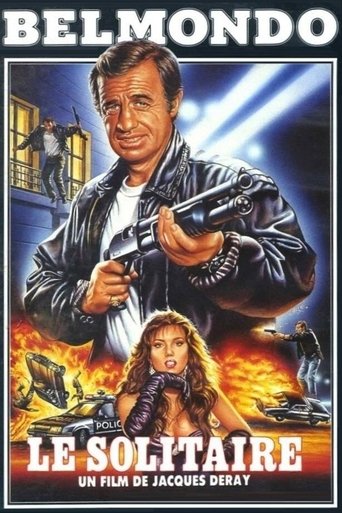
The Loner
In Paris , Commissioner Stan Jalard and Inspector Simon Lecache plan to quit the police to go and enjoy a more peaceful life in the West Indies. In a nightclub, during a routine visit, they spot Schneider, a dreaded gangster and public enemy. At the time of his arrest, Simon is killed at close range by the criminal. Stan then decides to stay in the police to avenge Simon. Being the godfather of Christian, Simon's son, who sometimes lives in a boarding school, sometimes at home, he takes charge of his education. Two years later, Stan has been promoted, and he's told that Schneider had resurfaced in the capital. A long hunt begins.
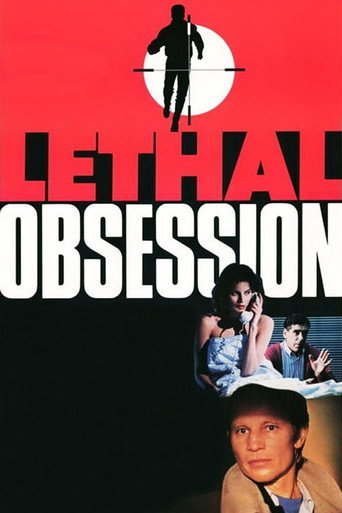
Lethal Obsession
Several known criminals already have been murdered by a professional killer, leaving no trace but the "ace" game card. The police suspects a new mob is trying to take over the district. The investigating police officer Jan is victimized by a bomb himself, when he's at his girlfriend Daniela's father's Italian restaurant. Although paralyzed and suspended from work, the tuff cop continues to investigate and takes revenge on the gangsters who did this to him.
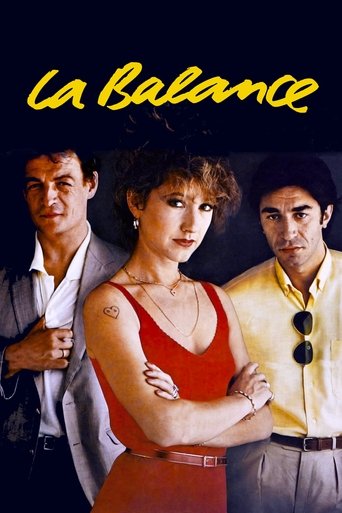
La Balance
A Paris police detective plays rough with a prostitute and her pimp/lover, whom he wants as an informant.

États d'âme
In this political drama, five left-leaning friends gradually lose heart in the Socialist government elected in 1981 in France. One of the five men is a television broadcaster; the others are a teacher about to become an academic inspector, a tax man, the director of a cultural center, and a sociologist who is about to step into a ministerial position. Their interlocking lives are told in alternating vignettes over a four-year period, and the professions director Jacques Fansten has chosen for his main characters seem to be a comment on the media, education, budget or finance, the arts, and government bureaucracy under Socialist rule.
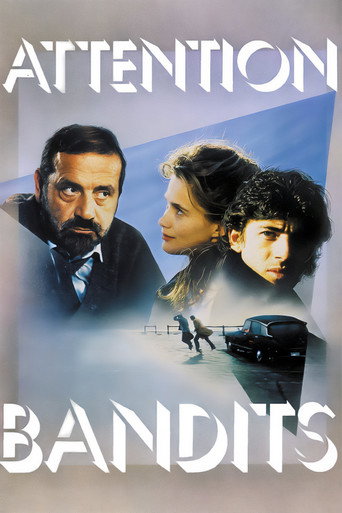
Bandits
On the day Jean Gabin dies, a kidnaper who also takes a fortune in jewels heisted from Cartiers murders Simon Verini's wife. (Simon was fencing the jewels for a youthful gang who robbed Cartiers; he suspects them of the murder.) He's framed for the theft and spends ten years in prison, writing to his daughter, Marie-Sophie, who's 11 when he's sent away. Released, he reconnects to Marie-Sophie and to the young thieves, seeks revenge, and is quickly arrested again. She doesn't know what to make of her father, retreats to her Swiss fiancé, and is flummoxed when one of the young thieves falls for her. Is resolution possible when crime cuts across families and romance?

Love in the Strangest Way
Successful Julien sees his family off on holiday and at once becomes drawn into a risky relationship with Angela, whom he spies outside the cafe opposite his office. When he later finds she is to become his son's new nanny he rightly starts to worry there is more to the relationship than he bargained for.
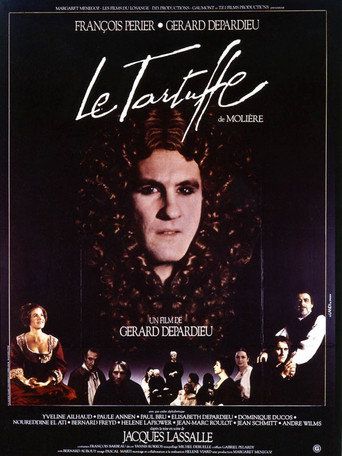
Le Tartuffe
Orgon is a man of property duped by the false piety of the penniless Tartuffe. Orgon takes him into his house, believing him a paragon of virtue. Orgon orders his daughter to reject her fiancé and marry Tartuffe. First Dorine, the family servant, tries a strategy to avert the marriage; then Orgon's son tries his hand. They anger Orgon, and to prove paternal power, he disinherits his son and makes Tartuffe his heir. Next Orgon's wife tries to bring her husband insight, a stratagem that partially backfires. With the bailiff at the door ordering Orgon to vacate his own home and with Tartuffe at court to prove Orgon's a traitor, all seems lost.
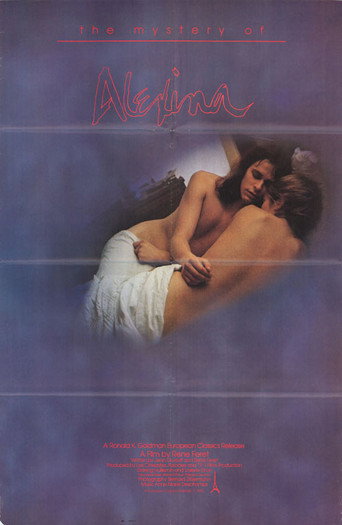
The Mystery of Alexina
In 1856, fresh from life with nuns in an orphanage school, Alexina Barbin comes to a coastal village in La Rochelle to teach the village girls. She is deeply religious. She shares the classroom and a bedroom with the young and vivacious Sara, with whom she falls in love. Alexina has another secret: her gender is mysterious. She and Sara begin a scandalous love affair, but Alexina seeks marriage and social acceptance. She discloses her secrets to the village priest, to her mother, to the bishop, and to the bishop's physician. After the church and court rule on her petition, marriage to Sara becomes Alexina's sole purpose and hope.
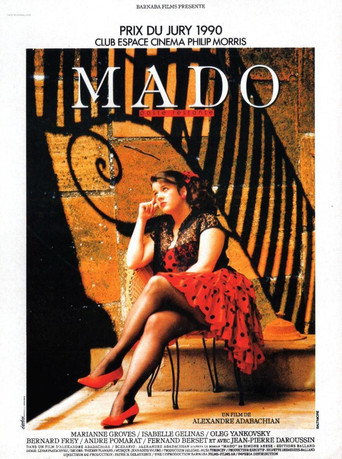
Mado, poste restante
In this gentle comedy, Mado (Marianne Groves) is the letter-carrier for her small town, and she is constantly on the lookout for a good Catholic man who shares her enthusiasm for sunrises. She even puts up posters on trees and walls advertising her interest. The townspeople make fun of her, but she isn't discouraged. Her best friend is Germaine (Isabelle Gelinas), a pretty girl whose moral standards are not as strict as Mado's. When a film director (Oleg Yankovsky) arrives in town, everyone is agog, but Mado is particularly keen to find out about him. However, it seems that he has his eye on Germaine, and he isn't really in her league anyhow.
Gallery