Camera
No biography available.
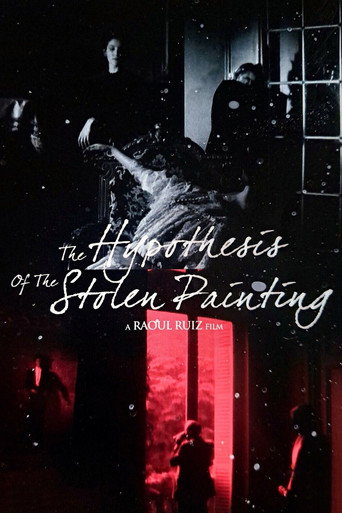
Two narrators, one seen and one unseen, discuss possible connections between a series of paintings. The on-screen narrator walks through three-dimensional reproductions of each painting, featuring real people, sometimes moving, in an effort to explain the series' significance.
A blinded French sculptor completes a statue of a friend's daughter by using his sense of touch.
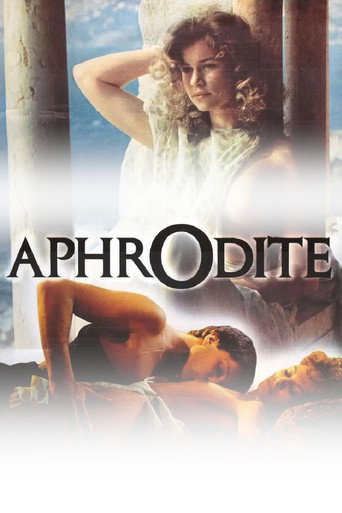
Harry is a young millionaire on holiday; he takes his yacht to a Greek island, and stays in the mansion of his friend...
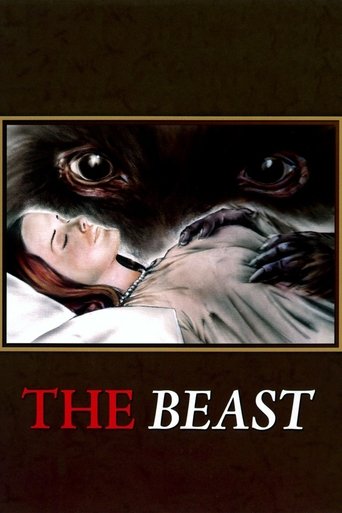
The head of a failing French family thinks that fate has smiled down on him when the daughter of a wealthy man agrees to be married to his son. The daughter and her aunt then travel out to the French countryside to meet with the family, unaware that a mysterious 'beast' is stalking the vicinity.
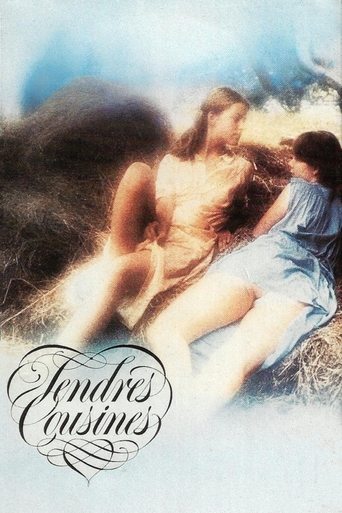
Teenage Julien loves his teenage cousin Julia among flowers in summer of '39 France.
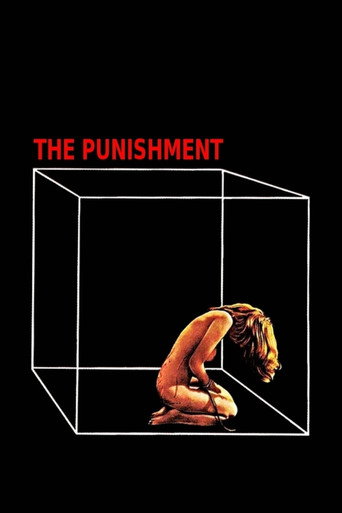
Britt, deluxe call-girl, is punished by the brothel owner because she was not accomodating enough to a customer. From now on, she must obey to all customers sadistic wishes, or else.
A coming of age story centering on the exploits of a young girl during summer vacation.
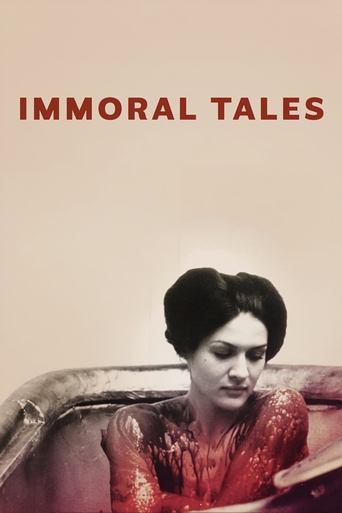
Four erotic tales from various historical eras. The first, 'The Tide', is set in the present day, and concerns a student and his young female cousin stranded on the beach by the tide, secluded from prying eyes. 'Therese Philosophe' is set in the nineteenth century, and concerns a girl being locked in her bedroom, where she contemplates the erotic potential of the objects contained within it. 'Erzsebet Bathory' is a portrait of the sixteenth-century countess who allegedly bathed in the blood of virgins, while 'Lucrezia Borgia' concerns an incestuous fifteenth-century orgy involving Lucrezia, her brother, and her father the Pope.
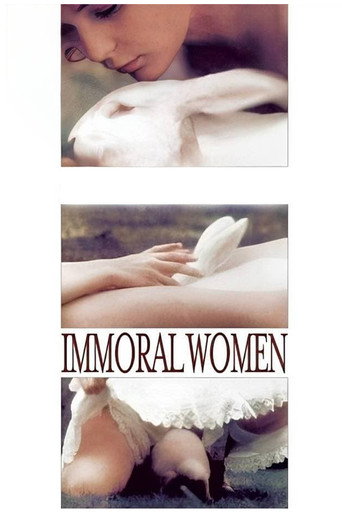
The first episode – featuring frequent Borowczyk muse Marina Pierro – is the longest and, in a way, most substantial: it’s set in Renaissance Rome, with the lusty (and perpetually nude) leading lady sexually involved with famous painters and church benefactors. The second episode is the most notorious and, consequently, gave the film its controversial poster – featuring a rabbit slowly disappearing under the skirt of a teenage girl (played by Gaelle Legrand). The third and final episode, which has a modern-day setting, is the shortest – but also, possibly, the most outrageous: Pascale Christophe is a young married woman who’s abducted on a busy Parisian street by a small-time hood hidden inside a cardboard box!
Marie-Hélène lives in a manor with her husband George, but is not happy. She feels stifled and trapped by the constant presence of Cécile, her intrusive mother-in-law. One day, Jacques and a beautiful woman, Françoise, comes to visit. Marie-Hélène feels attracted to Françoise. To such an extent that the two women fall in love and run away to the city.
Professor Mirella Buzzati, recovering from a failed relationship that ended with a divorce from her husband, travels to Perugia where she has obtained a mathematics teaching position at a high school. Her hatred of men, evident during the train ride and in her interactions with male colleagues who quickly flock to her, quickly yields to the attractiveness of Alain, a student nicknamed "the dark and handsome" by the high school girls. He already has a relationship with Giorgina, a fellow student of the same age and a fanatical militant of "Lotta Continua." In an effort to win over her idol, Mirella becomes unscrupulous in her teaching, preaches political and sexual revolution; she earns the headmaster's rebukes, and heaps scathing criticism on her rival Giorgina. After a stint in Paris with a lesbian colleague, the professor resumes her attack and obtains Alain's physical performance, but not her love: the boy understands her well and deeply despises her.