Bent Vejlby Movies, TV Shows, and Filmography

Bent Vejlby
Acting
Biography
No biography available.
Filmography Movies
Acting
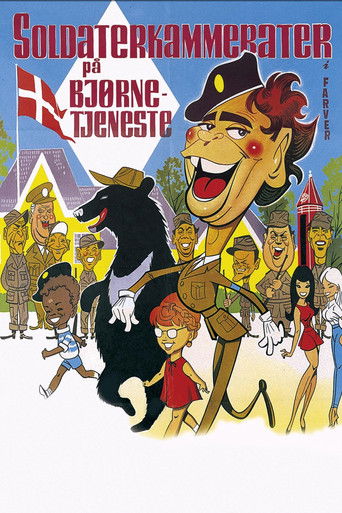
Friends at Arms: On a Bear Run
The German bear Fido from Münich is sweet, easygoing and nice, and just loves Danish soldiers. Thus, the bear marches together with the recruits and even wants to share their beds in this strange Danish comedy.
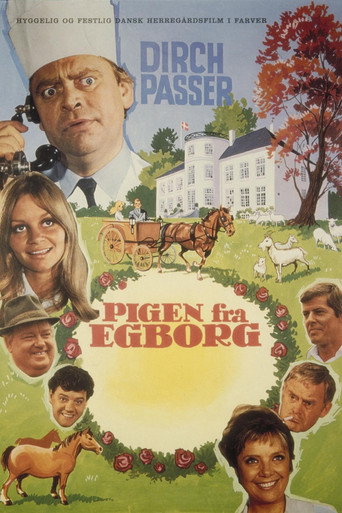
The Egborg Girl
If your name is Kaj Jensen and you live on Frederiksborggade, there is a certain likelihood that you will be confused with Kaj Jensen on Fredriksberggade. But when botanist John Søgård from Mariendalsvej is mistaken for whaler John Søgård from the South Pole, who is home on vacation, it's not so smart. And disaster strikes! But in this case, it suddenly turns into a stroke of luck...
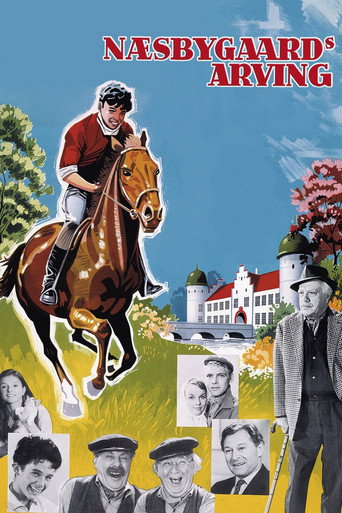
The Heir to Næsbygaard
Landowner Martin Kaas lives with his grandson Martin at Næsbygård. Martin is an avid horseman. One day, his horse loses a shoe, so Martin goes to see the village blacksmith Mortensen, where he meets the blacksmith's foster daughter Elise. The blacksmith is known to be an honest and religious man, but no one but Elise knows how brutal and cruel he really is. Elise discovers that her foster father, together with the estate's manager Hermansen, is involved in many shady deals that are not in the best interests of the estate. Martin, who often feels lonely, forms a warm friendship with Elise. One day, Martin disappears, and a letter left on his bed reveals that he has been kidnapped and that only a large ransom can bring the boy back.
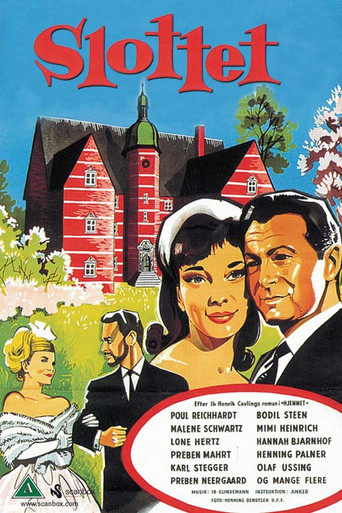
The Castle
Olaf Ussing is the old chamberlain who lives in the castle with his three unmarried daughters – Malene Schwartz, Lone Hertz and Mimi Heinrich. On the neighbouring estate lives Poul Reichhardt, a wealthy bachelor with a butler – festively played by Ole Monty. A couple of dubious suitors for the lovely young ladies are Preben Neergaard and Preben Mahrt – and a former admirer is Henning Palner.
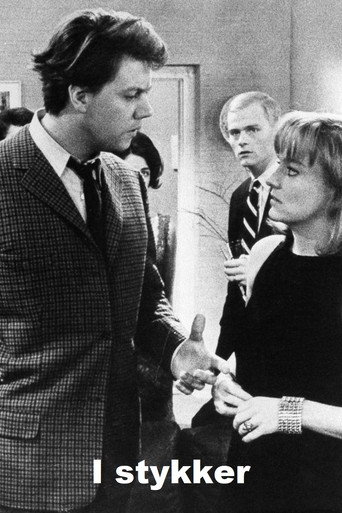
I Stykker
Open marriages, friends and lovers, secrets and lies are all coming to light after a fatal accident during a party. Was it murder? Early Leif Panduro drama.

Kvindelist og kærlighed
He is very happy – and proud! For he believes that he is a great, great hunter who brings home his beautiful prey, Eva. But she knows better, and so do her three sisters, who show up for the wedding, for girls naturally know everything there is to know about women's wiles and love. With a totally confused but sympathetic smile for the three unhappy women he did not get, he flees with his young bride. In return, the three amuse themselves by telling each other the true story—how things really went with the young couple—and the winding paths he took to reach his wedding. For it has always been the prey that has hunted the hunter, and – without him ever suspecting it – he has been more of a plaything than a Don Juan. What the girls "confess" to each other is not boring—it is a comedy—which, admittedly, is not about "that's how women are"! At most, it is about how women are like that too!
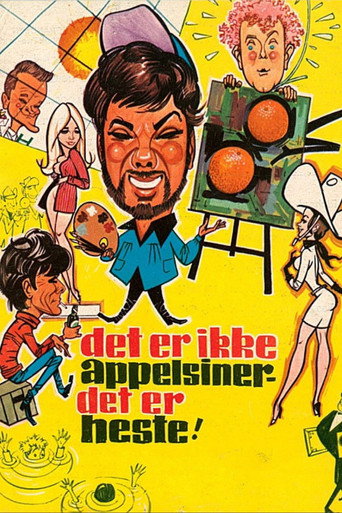
Det er ikke appelsiner - det er heste
In inner Copenhagen, in the real old town, in greengrocer Mortensen's property right under Tagskægget, live three good friends: painter Richard Hansen, painter Steffen, sculptor Max, and their friend Louise Mørch. All three have something very boring in common: they are unknown and penniless. Suddenly, it seems that luck is smiling on them. Charlottenborg has accepted the painting that Richard submitted. Excited, he heads to the exhibition, only to discover that the selection committee has accepted the two packing box lids he used to protect his painting, lids that he uses every day to wipe his brushes on.

Det gamle guld
Due to his gambling addiction, farmer Hans Sværke has brought his farm to the brink of bankruptcy, thereby opening up the opportunity for the wealthy landowner Karius to achieve his goal of taking over the farm. However, parish bailiff Mikkelsen vouches for Sværke and saves him for the time being, and Sværke then leases the farm. Sværke dies, and his talented son Niels takes over the lease. He and the farmer's daughter, Grethe, are happy together, and Niels manages to get her hired at the farm. But Karius' daughter, who is in love with Niels, burns with jealousy and persuades her father to take advantage of Niels' difficult financial situation and take over the farm. Things look bleak for Niels, who has been cornered by the wealthy landowner. But one day while plowing, he sees something glinting in the soil...
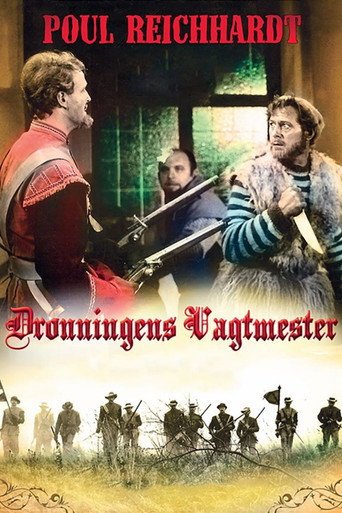
The Queen's Guardsman
When the Swedes occupy a Danish manor house, Svend Poulsen decides to help the family to safety. Along the way, Ib is taken prisoner. Svend Poulsen and his gang pretend to be a platoon of Swedish soldiers arriving at the castle where Ib is chained to the roof. During dinner that evening, the Swedish commander becomes suspicious, and soon the soldiers are fighting each other. However, Svend manages to free Ib.
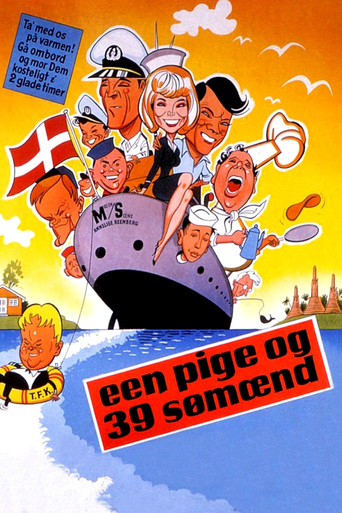
Een pige og 39 sømænd
This festive comedy has a theme song that was incredibly popular in its day – but which is missing a verse! The penultimate verse ends as follows: "...there were 39 sailors and one girl, and that's why the censors deleted the last verse." In 1965, it was new and very daring for a girl to go to sea in the merchant navy. But fortunately, Peer Guldbrandsen and director Annelise Reenberg saw that girls also had a future at sea when they wrote the film's screenplay based on Else Boyes' best-selling novel. The moral frown is replaced by a big smile when the pretty radio operator, Else, boards the M/S Warrigal, owned by the magnificent shipowner, Wilhelmine Jacobsen. The trip from Brønshøj to Bangkok – and back – becomes as festive as an archetypal Danish male society can manage when a pretty girl destroys their age-old traditions.
Gallery