Bechu Singha Movies, TV Shows, and Filmography
Bechu Singha
Acting
Biography
No biography available.
Filmography Movies
Acting

The World of Apu
Apu, now a jobless ex-student dreaming vaguely of a future as a writer, is invited to join an old college friend on a trip up-country to a village wedding.
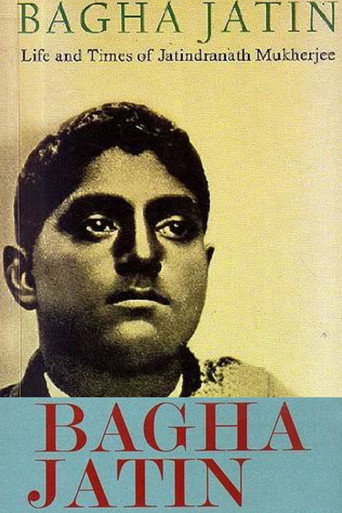
Bagha Jatin
The 1958 film is based on the biographical journey of Bagha Jatin, an Indian Bengali revolutionary philosopher who fought against British rule.
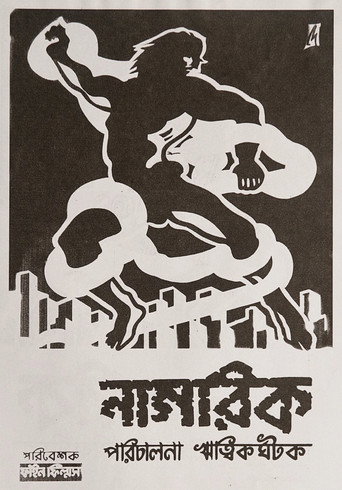
The Citizen
The sole dream of Ramu, eldest son a family of migrants, and Uma to build a happy life together is burdened by a pile of obstacles on their way due to economic upheaval in post-partition Calcutta.
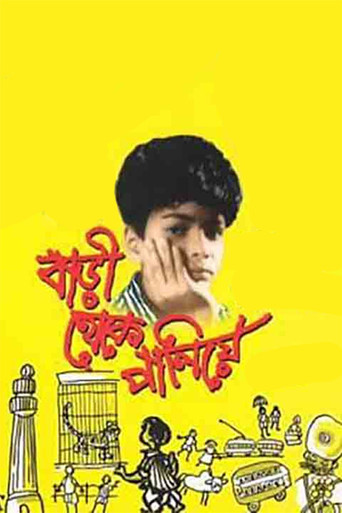
Runaway
Kanchan, all of eight years old, is always up to pranks and mischief in his village home. He finds his father a cruel demon who keeps his mother oppressed and imprisoned. In his dreams, the big city is El Dorado, until he reaches there.
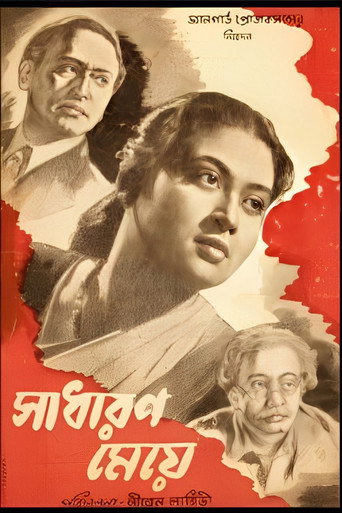
Sadharan Meye
A run-of-the-mill girl.
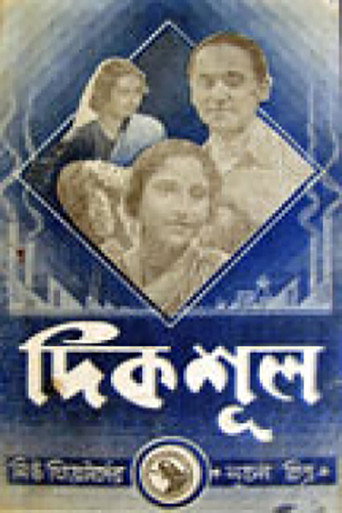
Dikshul
Dikshul is a 1943 Bengali film produced by New Theatres Ltd. Directed by Premankur Atorthy, the film featured music by Pankaj Mullick and cinematography by Rabi Dhar. Notably, the film's lyrics were penned by the renowned poet Kazi Nazrul Islam, and it marked the playback singing debut of actress Binota Roy.
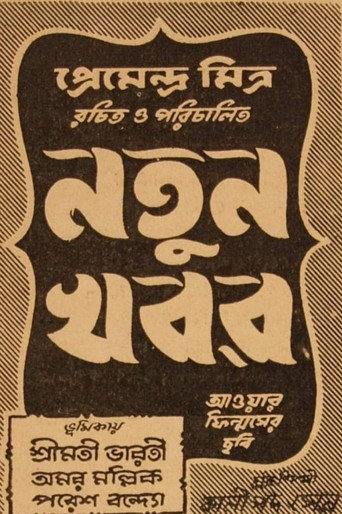
Natun Khabar
A 1947 Bengali Film directed by Premendra Mitra.
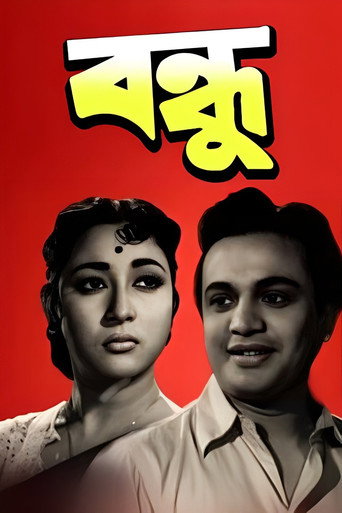
Bandhu
A 1958 Bengali Romantic Family Drama Film directed by Chitta Bose.
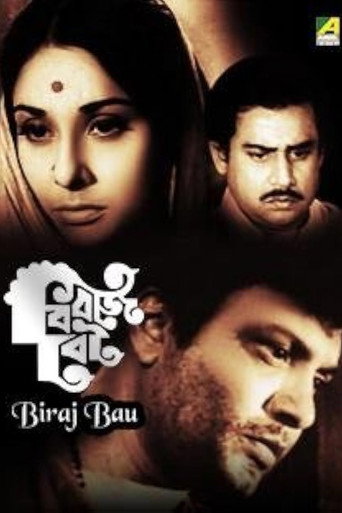
Biraj Bou
In this poignant tale, brothers Nilambar and Pitambar have contrasting personalities: Nilambar is kind but aimless, while Pitambar is responsible and practical. Nilambar's wife, Virajmohini, struggles as he mortgages their property to support his sister's marriage. When the village Zamindar, Rajendrakumar, becomes infatuated with Viraj, her life takes a tragic turn. Misunderstood by her husband, Viraj leaves home, faces numerous hardships, and eventually reunites with Nilambar in Tarakeswar. In her final moments, she finds peace, resting her head on her husband's lap, ending their story on a tender note.
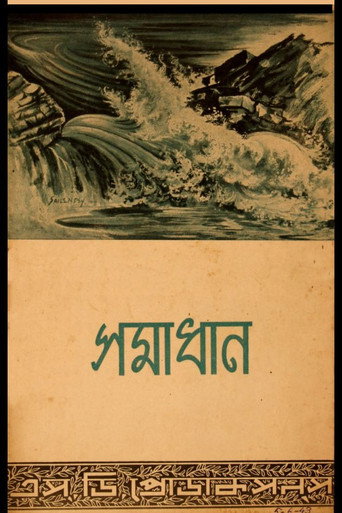
Samadhan
A working-class leader confronts a villainous factory owner, falls in love with the boss's daughter unaware of her family origins and, after many adventures and setbacks, it is revealed that the hero is in fact the official heir to the property the villain had usurped. An influential Bengali novelist acknowledging allegiance to socialism, Mitra's studio-bound film concentrates on showing the milieu of the rich while the dialogues make numerous references to the workers and the poor.