Beatriz Valdés Movies, TV Shows, and Filmography

Beatriz Valdés
Acting
Biography
Beatriz Valdes Fidalgo nació bajo el seno de una familia cubana, se crio junto a su madre y su familia materna. A la edad de 8 años inicia cursos en un taller infantil de instrucción artística; el más reconocido de La Habana, donde realizaba diversas actividades. Se destacó en series juveniles y telenovelas como "Algo más que soñar" (1984) exitosa serie televisiva que relataba las vidas y experiencias de cuatro jóvenes reclutas de la Cuba de los 70 y en la que Beatriz interpretaba además uno de los temas musicales: "Ya se va aquella edad", compuesto por Pablo Milanés. También protagonizó la telenovela "Tren de noviembre" (1989) junto al entonces debutante Jorge Treto. En el cine su primera gran oportunidad le llegó con "Los pájaros tirándole a la escopeta" (1984) comedia dirigida por Rolando Díaz, en la que tuvo como compañeros de reparto a los grandes actores cubanos Reinaldo Miravalles, Consuelo Vidal y Alberto Pujol, en una divertida historia sobre un joven machista que no entiende que su madura madre se enamore del padre de su novia. Siguieron películas como "Lejanía" (1985) de Jesús Díaz, que abordaba el tema del exilio y el reencuentro de una madre con su hijo; "Como nosotros" (1985) que narraba una historia de amor en el marco de la Guerra de Independencia cubana de 1985; "Como la vida misma" (1985), filme de Víctor Casaus, inspirado en una obra teatral, centrada en los problemas de los jóvenes en una Escuela en el campo y su más grande éxito "La bella del Alhambra" (1989), de Enrique Pineda Barnet, basada en la novela "Canción de Rachel" de Miguel Barnet, que narraba la vida de una corista del célebre teatro habanero "Alhambra" a principios del siglo XX, época de gloria del teatro musical cubano en medio de los turbios acontecimientos y manejos políticos de la naciente República. Llegó a Venezuela tras ser invitada al primer Foro Interamericano de Cine en 1989. En aquellas fechas da a luz a su primer hijo Mauricio y en 1991 regresa de nuevo a tierras venezolanas para así actuar en una película que sería filmada en la ciudad de Mérida llamada Grisalla. En los últimos años ha trabajado en filmes cubanos como "Perfecto amor equivocado" y el documental de largometraje de Carlos Barba conmemorando el vigésimo aniversario del estreno de "La bella del Alhambra". Es toda una gran señora de la actuación muy versatil y única.
Filmography Movies
Acting
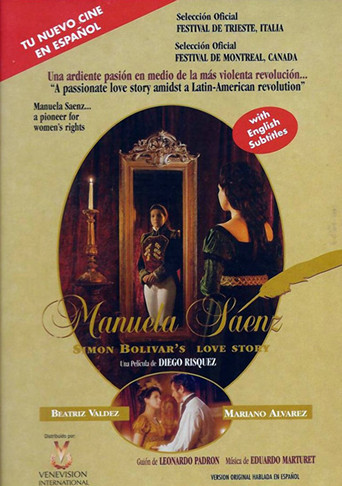
Manuela Sáenz
In 1856, a whaler arrives in Paita, Peru; on board is Herman Melville, who is astonished to learn that Manuela Sáenz, for eight years the lover of Simón Bolívar, is still alive. He calls on her, and although she will not talk to him about her life, his visit sends her to her chest of Bolívar's letters. As she reads them, the sepia-toned present gives way to flashbacks in color: she meets 'the Liberator' in 1822, becomes his lover, and also becomes a colonel in his military movement to realize the 'Gran Colombia', one nation across South America. As plague (brought by the ship) closes in on Manuela's household, so does her tempestuous story move toward Bolívar's betrayal and death.
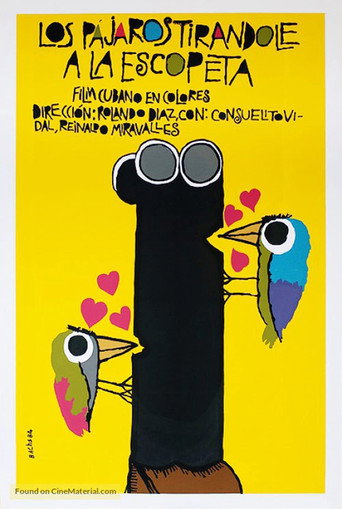
Tables Turned
A young couple find out that their parents (her father and his mother) are having a romance. A series of problems arise because the young couple can't accept that relationship.

La bella del Alhambra
In 1920s Havana, Rachel is a showgirl who longs to become a headliner at the incredibly popular Alhambra theater. On her way to attain that, she loses the love of her life and falls into the clutches of a passion that nearly destroys her career.

My Straight Son
The story of Diego, a young and successful photographer that lives in the glamorous world of fashion, shallowness and excess. A tragic accident turns his world around; his partner is now in a coma. Unexpectedly, and right at this terrible time, Diego must take care of his son, Armando. Now, both of them have to adapt to each other; Armando to the unknown, homosexual world of his father, and Diego to the closed attitude of his teenage son.
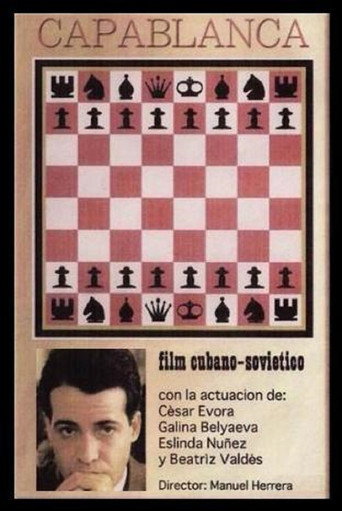
Capablanca
1925. José Raúl Capablanca, a famous Cuban chess player and employee of the Ministry of Foreign Affairs, arrives in Moscow for an international chess tournament. The trip, taking place under Machado's dictatorship, casts doubt on his future in this position. The film shows Capablanca's dramatic matches with Lasker, Tartakower, and Bogolubov, his tragic love for Bolshoi Theatre ballerina Sasha Mozhaeva, and a simultaneous game in which he lost to the very young Mikhail Botvinnik.
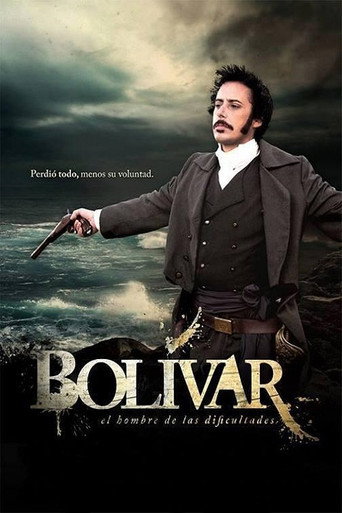
Bolívar: el hombre de las dificultades
The Second Republic has fallen miserably. Simon Bolivar arrives to Jamaica without money or friends, seeking help from other nations to free Venezuela.
Bolívar: el hombre de las dificultades
The Second Republic has fallen miserably. Simon Bolivar arrives to Jamaica without money or friends, seeking help from other nations to free Venezuela.

Love by Mistake
Julio del Toro is a successful writer in his fifties, who has always had his life under his control, until the day that, returning from one of his frequent foreign travel, this consistent world will fall into crisis. His daughter has started an affair with a Spanish older than him, his mistress poses a serious ultimatum, a young journalist begins to prepare a report on his work, and he faces the question if he is already finished as a creator. While Julio feels increasingly confused and disoriented, the women around him will make the decisions that he is not able to take.
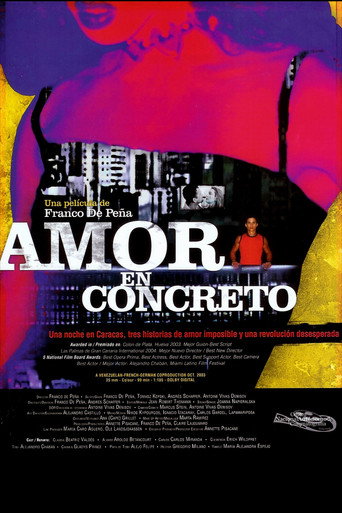
Love in Concrete
Franco de Peña's movie deals with three very different love stories, all taking place on the Avenida Libertador, the main avenue of Caracas.
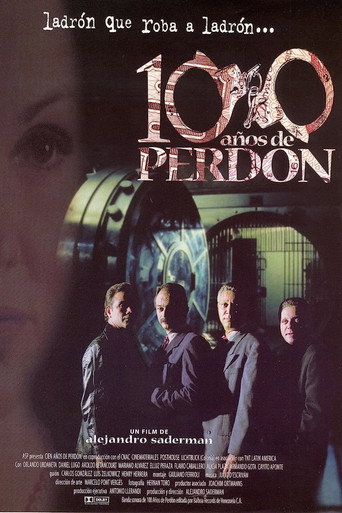
Little Thieves, Big Thieves
In the wake of a banking crisis, four middle class friends throw a 'white glove' hold up, only to find out that their bank has already gone bankrupt.
Gallery