Beatrice Bonnesen Movies, TV Shows, and Filmography

Beatrice Bonnesen
Acting
Biography
No biography available.
Filmography Movies
Acting
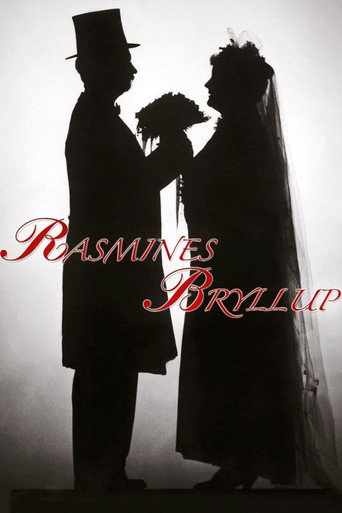
Rasmines bryllup
In a small street on the outskirts of town, there are two small shops next to each other: Nummesen's herbalist's shop and Mikkelsen's plumber's shop. Nummesen, the little quirky, friendly herbalist, loves to tease the choleric Mikkelsen. Mikkelsen wants to sell the shop, mostly because the economy is bad after his former Svend, Vilhelm, left it. Now Vilhelm is coming back, to the great joy of Mikkelsen's daughter, who is in love with Vilhelm.

Mor skal giftes
How long should one continue to support one's adult, married, but well-spoiled children financially? One day, Mrs. Holm, a widow, grows tired of this and decides to cut off the flow of money. With the assistance of her good friend and admirer, she devises a plan that causes quite a stir. She is not alone in being unconventional in her approach to raising adults. In this regard, a festive old consul's wife and her quirky servant are also progressive. At first, they are somewhat distraught about how they will manage, but the whole affair works out for all the adult children and saves their marriages.
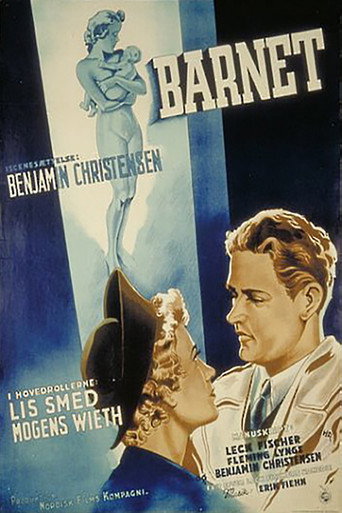
The Child
The action begins one early summer morning in a hostel, where we see, among others, two young girls, a law student, Ruth, and a small office lady, Ilse. From their conversation, we understand that Ilse has a very bourgeois outlook on life. By chance, these two girls come across one of Ruth's fellow students, Pontus Berthelsen, who is spending the summer holidays in a fisherman's cabin. Ilse, who has little world experience, quickly takes an interest in Pontus, who possesses a lot of innate charm. Pontus does his best to conquer Ilse, but her bourgeois attitude means - at first - that she does not fall for his rather deft approaches.
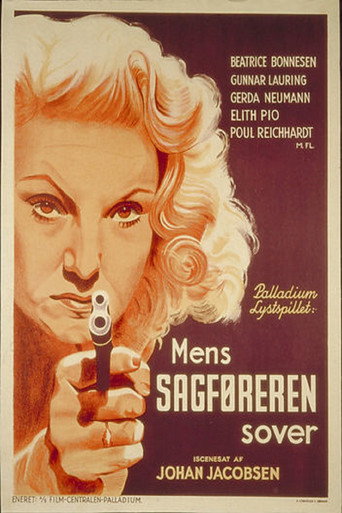
Mens sagføreren sover
Four Danish-Americans who, thanks to their exploits across the Atlantic, should have been behind bars, have taken up residence in a Copenhagen hotel. It is not longing for their homeland that has driven them home, but the hope of making "the big deal," more specifically, securing the crown jewels at Rosenborg Castle in a daring coup. At the hotel, the four "gentlemen" impatiently await their boss's orders to move out.
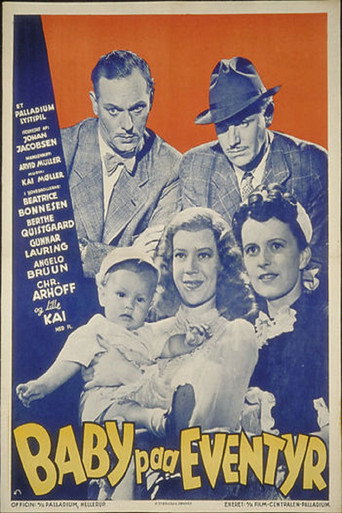
Baby paa eventyr
One day, High Court Prosecutor Erik Jessen is visited in his office by one of his childhood crushes, Elisabeth, now married to landowner Gustav Rosenfeldt. Elisabeth is unhappy that her husband has invited a young painter to stay on the estate for several months, and in her jealousy she wants to have a flirt visit herself. Jessen has the mischievous idea of having advertising consultant Thomsen play the role of archaeologist and show up at the estate, but since Thomsen is not exactly the type Elisabeth dreams of, she manages to lure Jessen to Rosenfeldt herself.
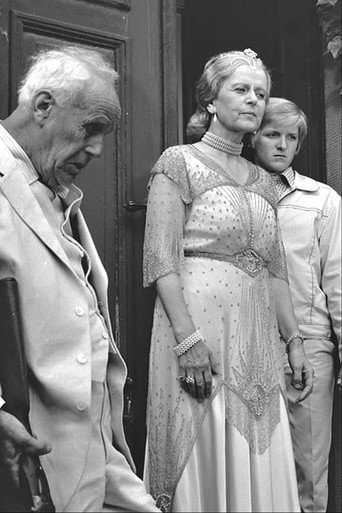
Laila Løvehjerte
The mysterious, impoverished Count Virtus (Federspiel) realizes his dream of a life at sea, and his young servant Kent (Springborg) must endure much pain before he finds happiness.
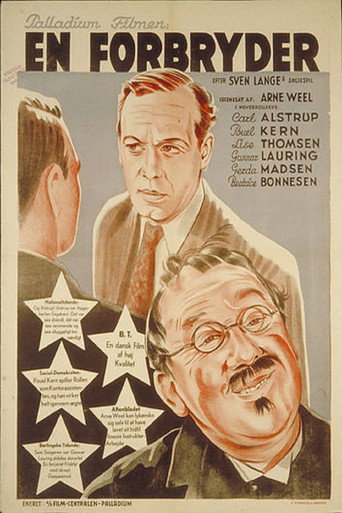
En Forbryder
In a large shoe store, Erik Hansen is the salesman for a sweet and smart young girl, Edith Bjørnfeldt, with whom he falls head over heels in love. He persuades her to go out with him in the evening. At a dance restaurant, they accidentally meet Edith's brother Willy Bjørnfeldt, a Copenhagener and one of the smart go-out types of the time. When Edith and her brother are alone at the table for a moment, Willy advises her to seize the opportunity and marry Erik, and thus say goodbye to the shoe business, which is hanging over her by the throat.
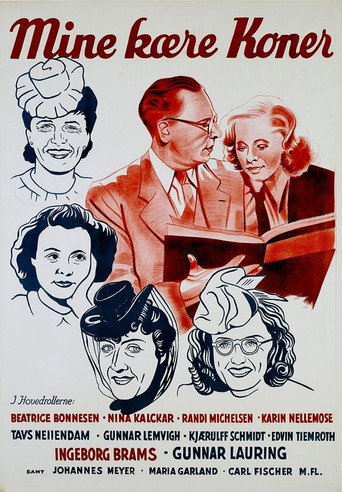
My Dear Wives
The celebrated actor George Bergmann has four divorces behind him. When his four former wives get the impression that he is cozying up to a very young actress, they feel that they must take action. However, this leads to various misunderstandings and complications, which partly involves the former wives' new men and partly the young girl's strict parents.
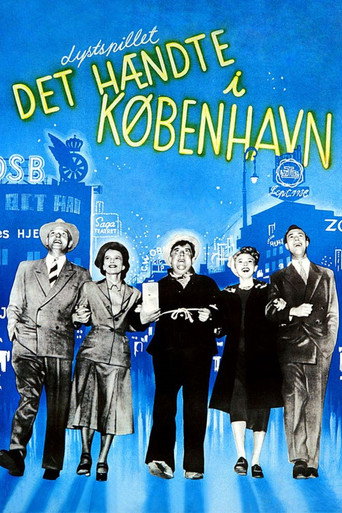
Det hændte i København
The film could just as well have been called "Where there is room in the heart, there is also room in the house," because it is actually about an old, seasoned people person's solution to the housing problem. He solves it in his own – admittedly unusual – way, but he solves it! Had he been a little more discreet, his invention would never have been discovered – and he could have lived the rest of his life carefree. But this experienced judge of character – whom we call "the Professor" – had one major flaw: his overly big heart for the small and unfortunate members of society in general and the homeless in particular. It is this unfortunate heart that sets the film in motion and accelerates the events.
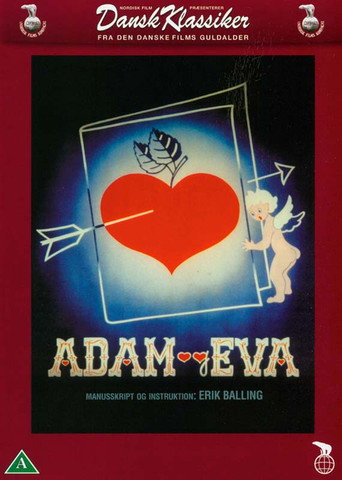
Adam and Eve
It's all about an anonymous little gray book originating from sexually advanced Paris. The book doesn't look like much, but shouldn't be judged by its cover. Wherever this book goes, something will happen. And for sure, this book goes around.
Gallery