Bassam Kousa Movies, TV Shows, and Filmography

Bassam Kousa
Acting
Biography
A prominent film and television actor in the Arab world, Bassam Kousa is known for his unconventional roles and his willingness to push the boundaries. Born in Aleppo, Syria on November 7, 1963, Kousa broke into the public consciousness with a string of prominent roles in Syrian TV shows such as ‘Ayyam Shamiyah’. One of his most popular roles was on ‘Bab Al Hara’, one of the most-watched TV shows in the Arab region. Although he only appeared in the first season of the show, his character, Idaghshiri, became instantly identifiable to an audience stretching from Gaza to the Arabian Gulf. Kousa has also acted in a number of feature films, including Usama Muhammad’s ‘The Box of Life’, which was screened at the 2002 Cannes Festival winning the Un Certain Regard award. In 2010, Kousa won the prestigious Adonia award, Syria’s version of the Emmys, for Best Actor in a Supporting Role for his role in ‘Wara’a al Shams’. In the show, Kousa plays a man struggling with autism, a controversial role that has raised eyebrows in a traditionally conservative region. A passionate supporter of the Arab film industry, Kousa has called for a shift in perceptions in the Arab world, with a number of people still considering acting as an ‘immoral’ profession. He has said that in order to change perceptions, cultural establishments in the public and private sectors should cooperate to raise awareness on art as a form of entertainment and enlightenment. During a recent visit to Amman, he was honoured by the Royal Film Commission, who screened three of his films.
Filmography Movies
Acting
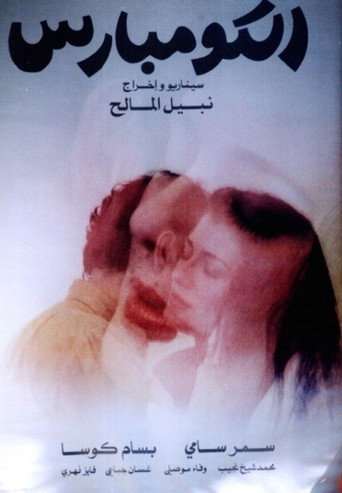
The Extras
Salem dreams of being an actor but is still working in a gas station, only his love for Nada can make things easier for him.
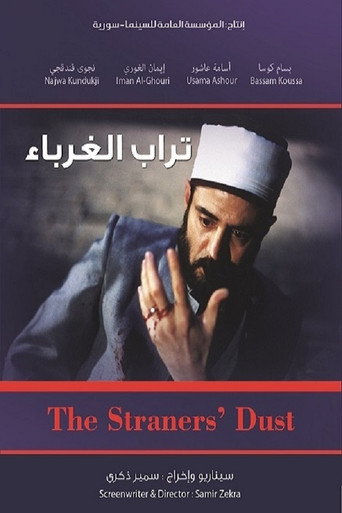
The Straner's Dust
The biopic of 19th century Syrian scholar Abd al-Rahman al-Kawakibi who battled against the injustice in Syria during the downfall of the Ottoman Empire. His efforts actually managed to overthrow the Ottoman viceroy. However, he was banished to Cairo, only to continue his fight there.

Breeze of the Soul
A love story grows between a young man and a girl, there is a second person who loves the girl, and for her he tries to hang himself, so the lovers decide to sacrifice love and happiness to save a human soul, the lover is a simple young man, while the girl is a loving female, mixed in the depths of many worlds of childhood and innocence And intelligence, the girl marries the man she does not like, and by this she has lifted the gallows from his neck, in order to wrap her around her neck.
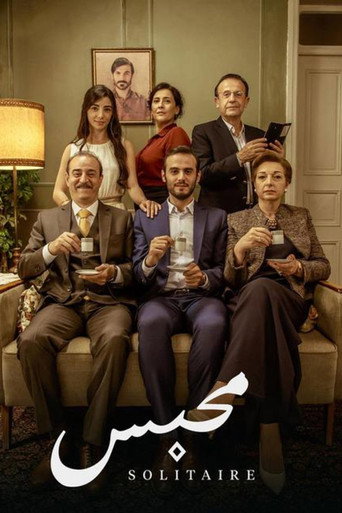
Solitaire
Therese, the mayor's wife in a Lebanese village, joyfully prepares for an overnight visit of her daughter's suitor and his parents. She excitedly shares the happy news of the engagement with pictures of her beloved brother who was killed by a Syrian bomb 20 years ago and is still bizarrely present in every corner of her house. Only when the long-awaited guests are at her doorstep, she discovers they are Syrian; this engagement will only happen over Therese's dead body!
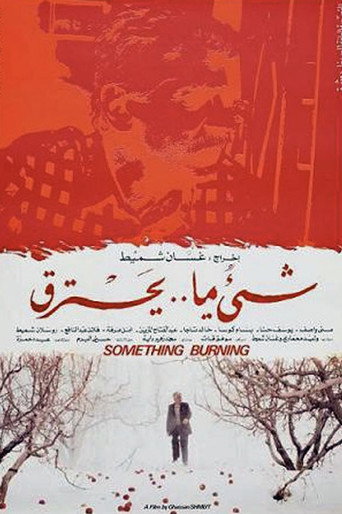
Something Is Burning
After the 1967 setback, Abu Ramzi is displaced from the Golan with his family, and he is tired in order to secure a livelihood and his wife who works in sewing helps him. As for the son Ramzi, he dreams of riches quickly and in the easiest way, which drives him to collide with his father, who dreams of a roof that shelter him through halal earnings.
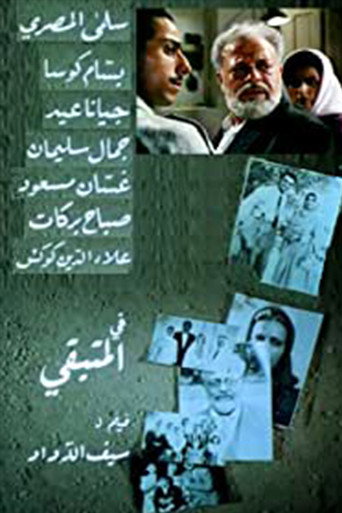
That Which Remains
Based on Ghassan Kanafani's novel, 'Returning to Haifa,' this film, set in 1967, centres on a Palestinian couple who return to the war-torn city to search for their young son Farhan, whom they were forced to abandon when fleeing Zionist acts of terrorism in 1948. Saeed and Atefeh's own house has even been taken over by a Polish Jewish family, who, it transpires, are holding Farhan hostage. It is up to the couple, with the assistance of Farhan's steely grandmother, to find a way to reclaim their lost son. One of the few Iranian films to tackle the Palestinian issue from a historical perspective, this stunning piece of work from Seifollah Daad features meticulous attention to period detail and moving performances.
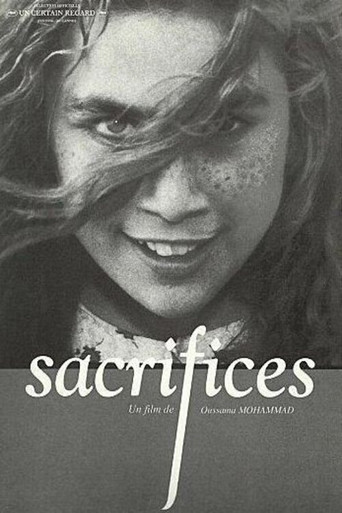
Sacrifices
As an elderly man on his deathbed looks to give his name to one of his newborn grandsons, he's unable to acknowledge any of them. The three boys grow up with no name in the Syrian mountains, as they struggle to survive in a war-torn country.
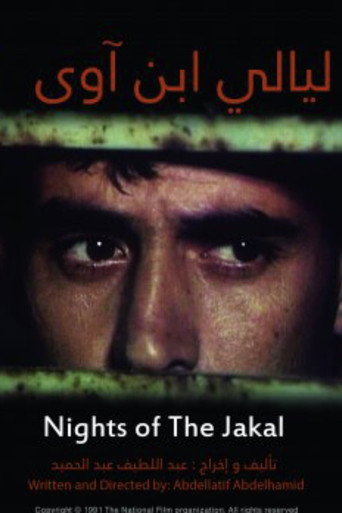
Nights of The Jackal
Syria, 1967, rumors of war. Abu Kamel, a peasant who farms tomatoes near Latakia, bullies his family. One by one, each rebels against him or finds a route to break away.
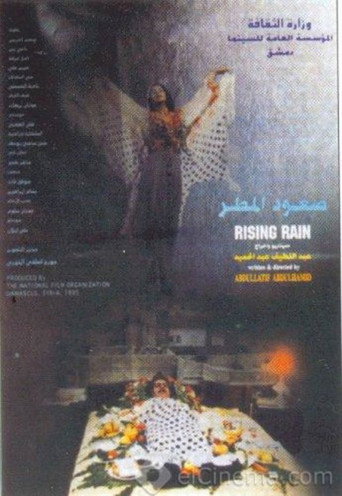
Rising Rain
Sabah is a creative writer who goes through the complexities of life in a city that pushes its children from its center to its outskirts where expatriates reside. He suffers from financial hardships, while a love story grows between a boy and a girl who meet at night in the rain.
Production
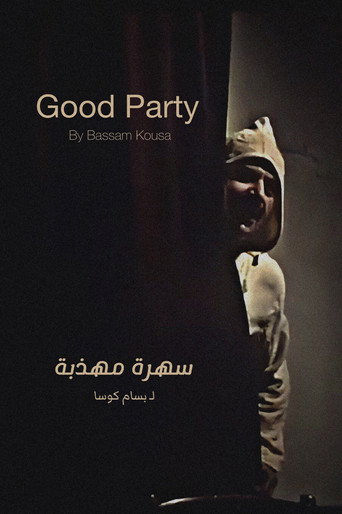
Good Party
The film tells the story of a lonely man with a chronic hunger to rejoice and communicate with others, holding a party for his friends but ...
Good Party
The film tells the story of a lonely man with a chronic hunger to rejoice and communicate with others, holding a party for his friends but ...
Gallery