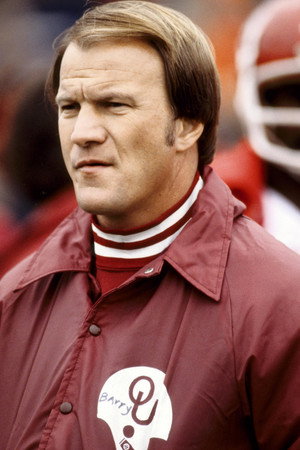
Barry Switzer Movies, TV Shows, and Filmography
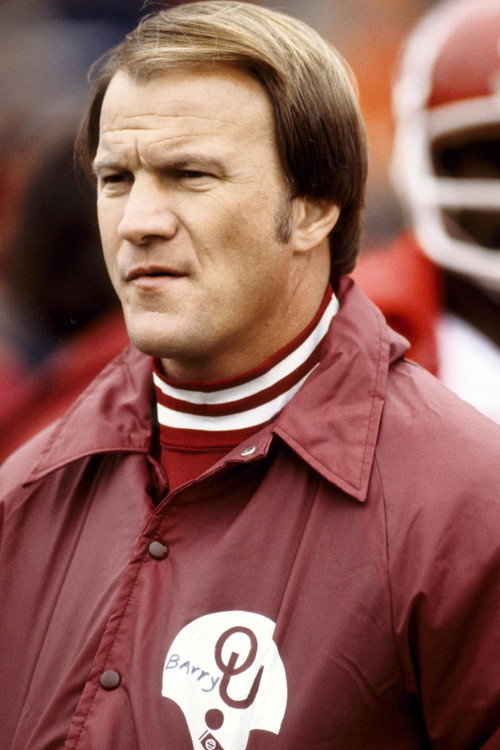
Barry Switzer
Acting
Biography
Born October 5, 1937, in Crossett, Arkansas, Barry Layne Switzer grew up under difficult circumstances, losing his mother to suicide in 1959 and his father to murder in 1972. He accepted an athletic scholarship to the University of Arkansas, where he played center and linebacker, joined Pi Kappa Alpha fraternity, and served as a "Tri-Captain" during his senior season in 1959. He led the Razorbacks to a 9-2 record, a share of the Southwest Conference championship, and a victory over Georgia Tech in the 1960 Gator Bowl, finishing ranked ninth nationally in head coach Frank Broyles' second season. After graduation and a brief stint in the U.S. Army, Switzer returned to Arkansas as an assistant coach under Broyles. In 1966, Switzer moved to the University of Oklahoma as an assistant under head coach Jim Mackenzie. Following Mackenzie's fatal heart attack in 1967, Switzer continued as offensive coordinator under Chuck Fairbanks. Coaching strengths included exceptional recruiting ability, particularly in Texas, innovative offensive schemes, and the capacity to build deep personal relationships with players. As offensive coordinator, Switzer perfected the wishbone offense, developing it into the most prolific rushing attack in college football history. Under his coordination, Oklahoma set an NCAA rushing record of 472 yards per game in 1971 and scored over 500 points in both 1971 and 1986. Switzer became Oklahoma's head coach in 1973 and led the Sooners to undefeated seasons in 1973 and 1974, winning national championships in 1974, 1975, and 1985. The team won or shared the Big Eight Conference championship every year from 1973 to 1980. During a 1972 game against Ole Miss while serving as offensive coordinator, Switzer's wishbone attack orchestrated a dramatic last-second victory when quarterback hit running back Brad Davis for a touchdown as time expired, winning 17-16. His 1985 national championship team featured future NFL stars Keith Jackson, Jamelle Holieway, and Brian Bosworth. After resigning from Oklahoma in 1989 amid NCAA probation, Switzer was hired by the Dallas Cowboys in 1994, succeeding Jimmy Johnson. He led Dallas to victory in Super Bowl XXX against the Pittsburgh Steelers, making him the second coach to win both a college national championship and a Super Bowl. Switzer compiled a 157-29-4 record (.837 winning percentage) at Oklahoma and 45-26 (.634) in the NFL, ranking among the highest winning percentages in college football history. He was inducted into the College Football Hall of Fame in 2002.
Filmography Movies
Acting
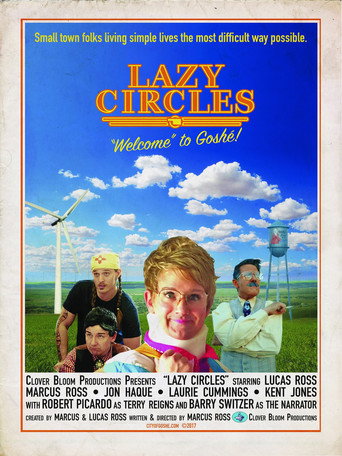
Lazy Circles
Welcome to Goshé, Oklahoma's largest wind turbine farm. Where the mayor has hijacked the police department, a co-librarian is raiding houses for late books, and an aging weatherman is predicting the storm of the century based on what he smells.
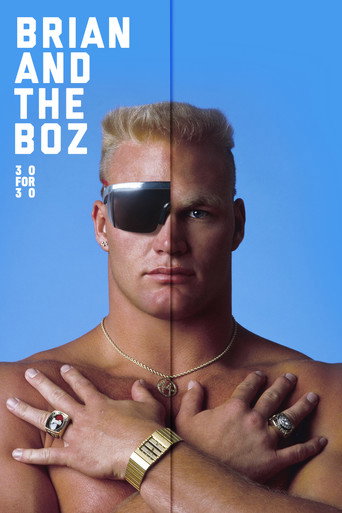
Brian and the Boz
In some ways, Barry Switzer and Brian Bosworth were made for each other. The Oklahoma coach and the linebacker he recruited to play for him were both out-sized personalities who delighted in thumbing their noses at the establishment. And in their three seasons together (1984-86), the unique father-son dynamic resulted in 31 wins and two Orange Bowl victories as Bosworth was awarded the first two Butkus Awards. But then Bosworth's alter ego: "The Boz," took over both their lives and ultimately destroyed their careers. In "Brian and The Boz," Bosworth looks back on the mistakes he made and passes on the lessons he learned to his son. It's a revealing portrait of a man who had and lost it all, and a trip back to a time when enough just wasn't enough.
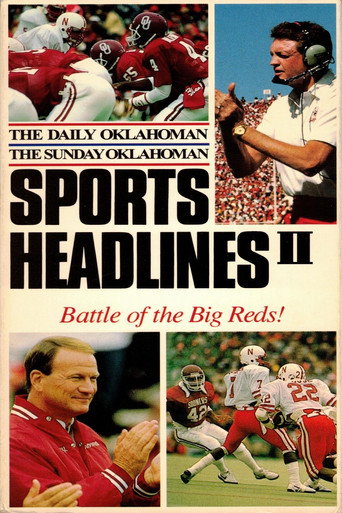
Sports Headlines II: Battle of the Big Reds
This exciting video captures many of the finest moments in collegiate football when the Nebraska Cornhuskers and Oklahoma Sooners clash on the field. Coaching legends Bud Wilkinson, Bob Devaney, Tom Osborne and Barry Switzer provide insight and humor as to how this mere conference contest became a showdown between two powerhouses in the national spotlight. Encompassing highlights from over forty years, "The Batte of the Big Reds" proves that whether it's for a shot at the national championship or Big Eight bragging rights, the gridiron action between the Sooners and the Huskers always includes talented athletes, masterful coaching, precise execution and sometimes.. a little bit of magic.
Any Given Sunday
A star quarterback gets knocked out of the game and an unknown third stringer is called in to replace him. The unknown gives a stunning performance and forces the aging coach to reevaluate his game plans and life. A new co-owner/president adds to the pressure of winning. The new owner must prove herself in a male dominated world.
College Football 150 - Football Is US: The College Game
Features several of the sport's major stars, past and present, including NCAA record-setting wide receiver Jerry Rice, national championship-winning head coaches Barry Switzer and Nick Saban, Heisman Trophy winner Andre Ware and many more.
The Turkey Bowl
A 30-something urbanite is pulled back to his rural hometown by his high school buddies on Thanksgiving to finish The Turkey Bowl – an epic football game against their cross town rivals that was snowed out fifteen years prior.
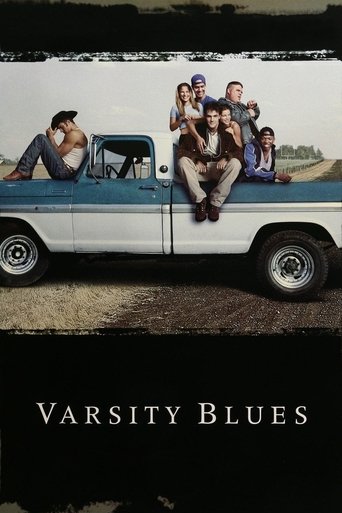
Varsity Blues
In small-town Texas, high school football is a religion, 17-year-old schoolboys carry the hopes of an entire community onto the gridiron every Friday night. When star quarterback Lance Harbor suffers an injury, the Coyotes are forced to regroup under the questionable leadership of John Moxon, a second-string quarterback with a slightly irreverent approach to the game.
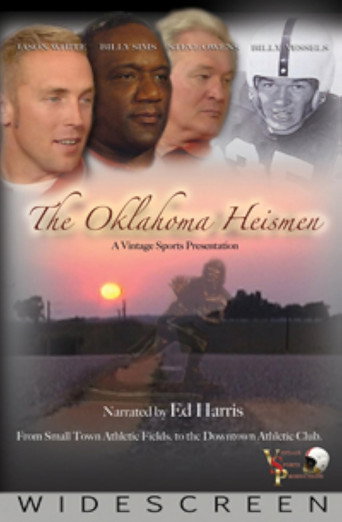
The Oklahoma Heisman
Ed Harris narrates this feature length documentary which takes a look at how Billy Vessels, Steve Owens, Billy Sims and Jason White became the first four Heisman Trophy winners for the University of Oklahoma.
1995 Dallas Cowboys: The Official Super Bowl Film
The fabulous offensive troika of quarterback Troy Aikman, running back Emmitt Smith, and trouble-filled wide receiver Michael Irvin led the Cowboys to three Super Bowl victories in the decade, capped by a marvelous performance in the Super Bowl. Of the three championship seasons, this was the most interesting. NFL Films does a masterful job examining the highs and lows of a 12-4 season, with much of the story told in the words of players other than the big three.
Possums
When the town of Nowata votes to cancel its losing high school football team, the Possums, a local radio announcer decides to keep broadcasting imaginary games, team or no team.
Gallery