Directing
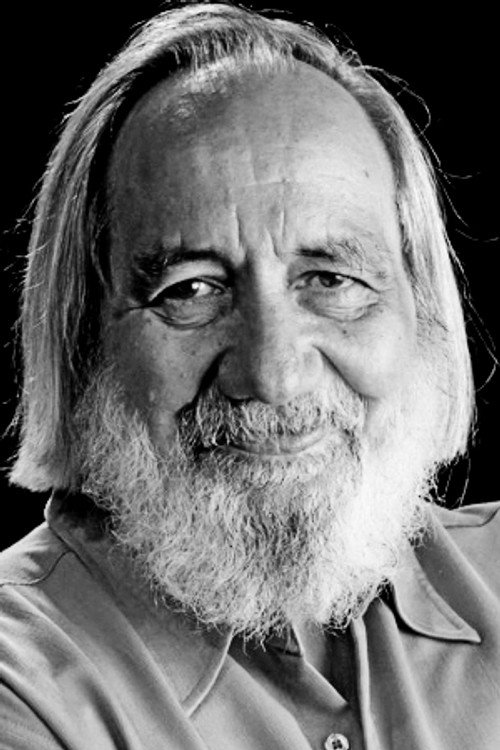
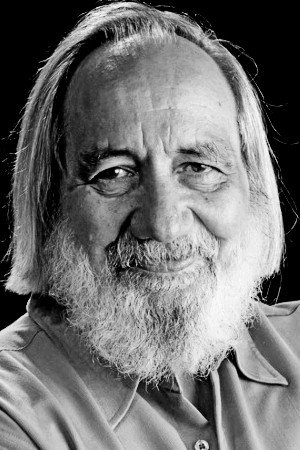
Barry Barclay was a New Zealand filmmaker and writer of Māori and European descent.
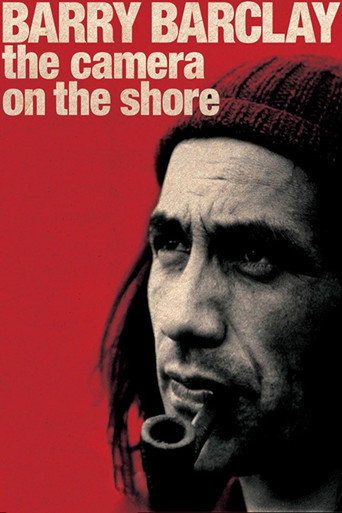
Barry Barclay was a New Zealand/Aotearoa director of documentaries and feature films. He is regarded as one of the world's first, and very influential, Indigenous film makers. The film The Camera on The Shore is a feature length introduction to Barry, and to his film making.
Documentary Hautoa Mā! The Rise of Māori Cinema reveals the remarkable impact Māori have made on New Zealand cinema.
Conversations with four people — an artist, a woman struggling with her identity as a high achiever, an actor, and a priest — exploring their inner worlds, their self-image and how they feel they fit into society.
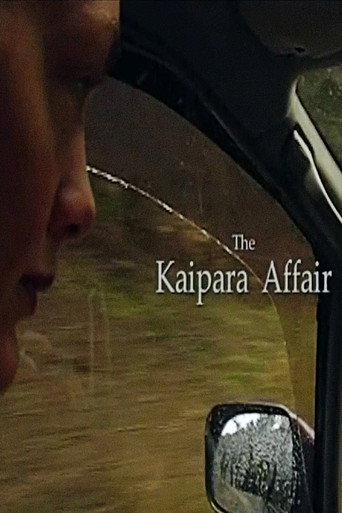
A documentary about the threat posed to New Zealand's Kaipara Harbour by rapacious commercial fishing and development.
Actor Martyn Sanderson returns in 1977 to the Hokianga of his youth and visits his elderly and romantic aunt, Olive Bracey. Her reminiscences of pioneer life mesh with nostalgic songs and readings from her fiction.
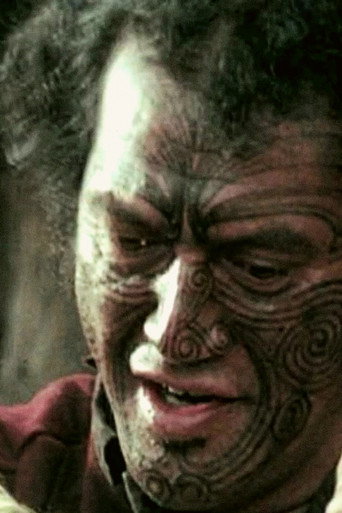
In a Maori settlement, Ngati Toa leader Te Rauparaha composes the famous chant "Ka Mate", also known as the haka, after evading enemy capture by hiding in a kumara pit.
Indigenous farmers in Peru, Nicaragua, Italy, France, Australia and New Zealand share their intimacy with the land and the seeds they have nurtured for generations; global corporations attempt to 'own' the intellectual property of seeds.
A hundred years after the theft from New Zealand of three irreplaceable tribal carvings, two members of a Māori tribe decide it's time for ancient grievances to be put right. Variously praised as a major step forward in indigenous cinema, attacked for overambition, and little screened, Te Rua marked Barry Barclay’s impassioned follow-up to his acclaimed debut feature Ngāti.