Editing
No biography available.
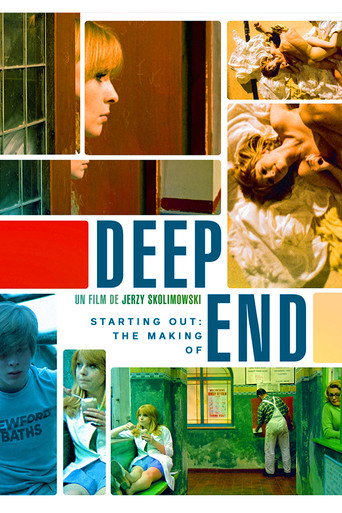
A fascinating and absorbing documentary about the making of Jerzy Skolimowski's cult favourite, DEEP END, which was shot in 1970 as a US-German co-production on location in London and Munich. The film's two stars, Jane Asher and John Moulder-Brown, 23 and 17 years of age at the time respectively, meet for the first time in 40 years and discuss their on-screen and off-screen relationship in candid detail, while director/writer Skolimowski chronicles the production history from the writing of the script to the film's acclaimed first showing at the Venice Film Festival. Director of photography Charly Steinberger revisits some of the original locations and explains how he managed to shoot almost the entire film with a hand-held camera. Also on board are production designer Anthony Pratt, editor Barrie Vince, and actor Christopher Sandford, each of whom contributes his own version of how DEEP END was part of the sixties' "swinging London"; and at the same time tilted it on its head.
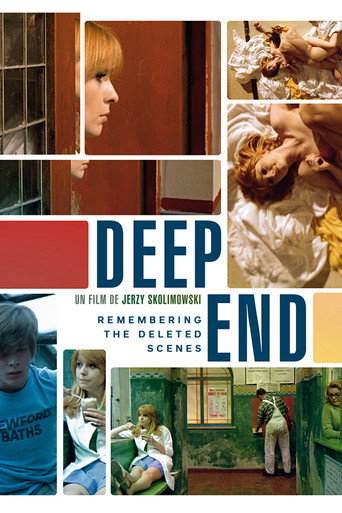
Short documentary about sequences removed from the film.
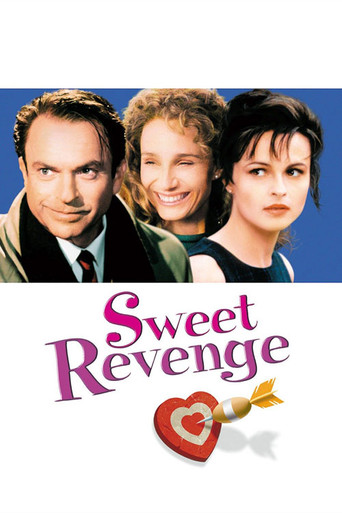
After saving each other from jumping off a bridge, Henry Bell and Karen Knightly plot to avenge the people who drove them to suicide. Henry will ruin the life of the woman who married Karen's boyfriend, while Karen will work as a secretary for the man who took Henry's job. Whether revenge will be sweet – or bittersweet – is anyone's guess.
Experimental gothic short, adapted from Edgar Allan Poe's 'The Pit and the Pendulum'.
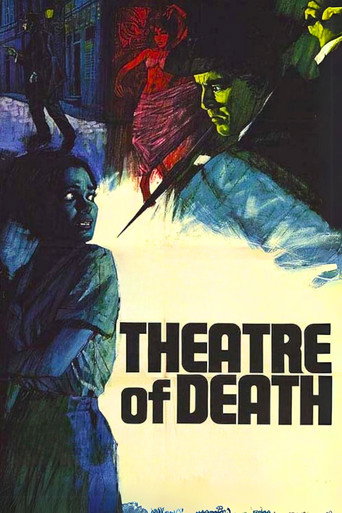
The Theatre of Death in Paris specialises in horror presentations. A police surgeon finds himself becoming involved in the place through his attraction to one of the performers. When bloodless bodies start showing up all over town he realises there could be links with the theatre.
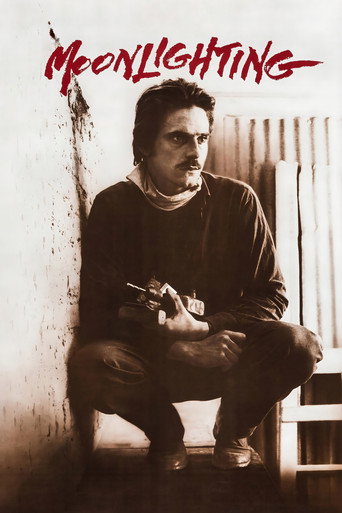
A Polish contractor, Nowak, leads a group of workmen to London so they can provide cheap labor for a government official based there. Nowak has to manage the project and the men as they encounter the tempations of the West and loneliness and separation from their families. Nowak is the only one of the group who speaks English, and he uses this as a tool over his team. When the unrest in Poland leads to a military takeover, Nowak is faced with a much more difficult situation than he expected.
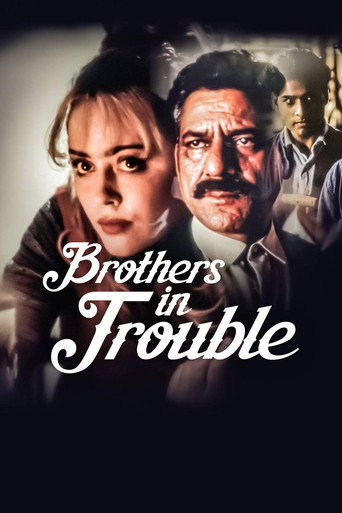
Amir is an illegal Pakistani immigrant smuggled into England in the 1960's to work, to send money to his family and perhaps even bring them over with him. A skilled laborer, he is forced to do unskilled work like shoveling sheep dung and processing wool. He lives in a boarding house with nearly a dozen other men, under the supervision of Hussein Shah. He befriends a young student, Sakib, who dreams of being a writer. Their existence is punctuated by secret movies, a visiting prostitute, fear of detection and deportation, and the gangster-like smuggler who comes by for his take every week. The household is shaken up by the arrival of a white girl, Shah's girlfriend, and the sense of femininity and family she brings.
Television interviewer George Grant, renowned for his ability to get at the truth, is at the peak of his career. But when he receives a message at his office that his wife needs to see him urgently - a matter of life and death - his life is irreversibly altered. And so the frantic search begins for George Grant 's truth - and his wife.
Reggie and Dot are a young South London couple who get married before they really get to know each other. After the marriage, they quickly begin to drift apart. Dot seems content to pursue her own interests, until Reggie meets Pete, a fellow cyclist, and begins to explore his own identity.
A businessman blackmails his young secretary into spending a weekend with him.
London, England. Mike, a fifteen-year-old boy, gets a job in a bathhouse, where he meets Susan, an attractive young woman who works there as an attendant.
The Page family lives without electricity or running water deep in the Sussex woods. Amidst ever-growing modernity and industrialization, the family carries out chores, hunts pheasants, builds steam engines, and postulates on man's trip to the moon. They demonstrate fine lateral thinking and, through their particular delivery, display fears and concerns about pollution, intensive farming, mechanization, and self-fulfillment during a time of technological advancement.