Production
No biography available.
Three female friends recall their misadventures (more sexual than cinematical) attending the Locarno Film Festival.
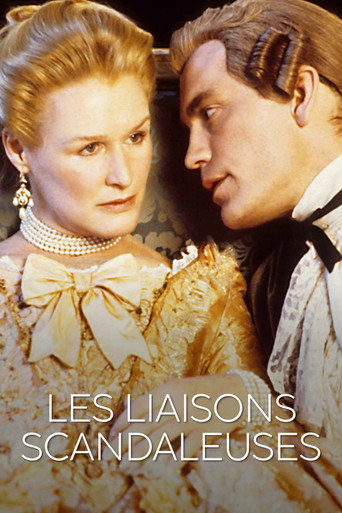
Well known for its exploration of seduction and revenge, the “Dangerous Liaisons” by Choderlos de Laclos caused a scandal from its first publication in 1782. Despite – or because of the scandal – the book was a top-seller. Since then, it stood the test of time. Combining eras, continents and people, the novel is adapted around the world. Marvelous tool for reflection on the female condition, social satire announcing the Revolution, remarkable work on the conflicting nature of love but also of the gender war, consecration of the power of the words, a libertine manual… “Dangerous Liaisons” is all of these at once.
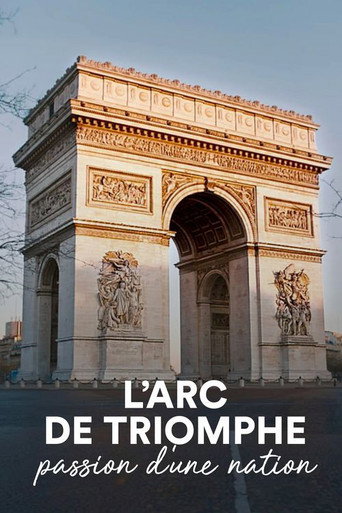
The pride of Napoleon's victories, the Arc de Triomphe, whose first stone was laid in 1806 at the top of the Champs-Élysées, is, along with the Eiffel Tower, one of the most visited monuments in the French capital. Wanted by an emperor, inaugurated under the reign of a king (Louis-Philippe) and sanctuarized by the Republic, this patriotic temple polarizes the passions of a whole nation. A historical portrait before "packaging", which teems with anecdotes and unsuspected details.
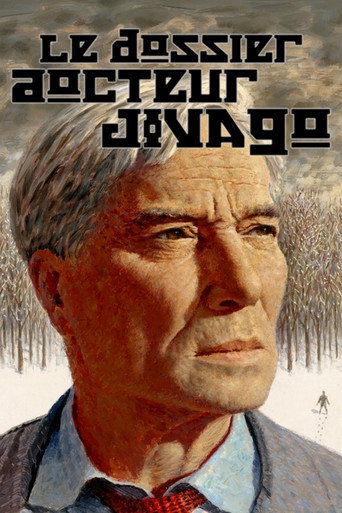
As Russian writer Boris Pasternak (1890-1960) thinks it is impossible that his novel Doctor Zhivago is published in the Soviet Union, because it supposedly shows a critical view of the October Revolution, he decides to smuggle several copies of the manuscript out of the country. It is first published in 1957 in Italia and the author receives the Nobel Prize in Literature in 1958, which has consequences.
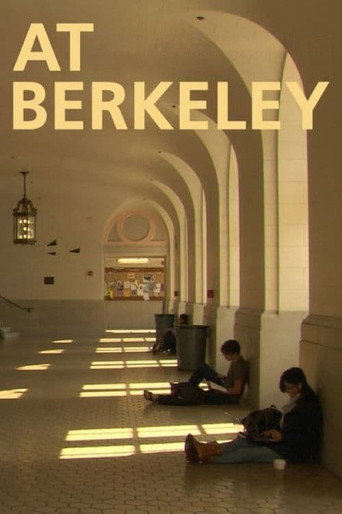
Direct cinema pioneer Frederick Wiseman takes an in-depth look at the preeminent American university during a fall semester that saw a vigorous debate taking place over tuition hikes, budget cuts, and the future of higher education in the United States.
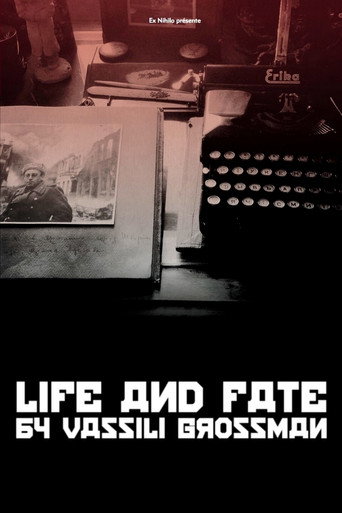
The convoluted and moving story of Russian writer Vassili Grossman (1905-64) and his novel Life and Fate (1980), a literary masterpiece, a monumental and epic account of life under Stalin's regime of terror, a defiant cry that the KGB tried to suffocate.
In the near future where emotions have become a threat, Gabrielle finally decides to purify her DNA in a machine that will immerse her in her past lives and rid her of any strong feelings. She then meets Louis and feels a powerful connection, as if she had known him forever.
Rita, an underrated lawyer working for a large law firm more interested in getting criminals out of jail than bringing them to justice, is hired by the leader of a criminal organization.
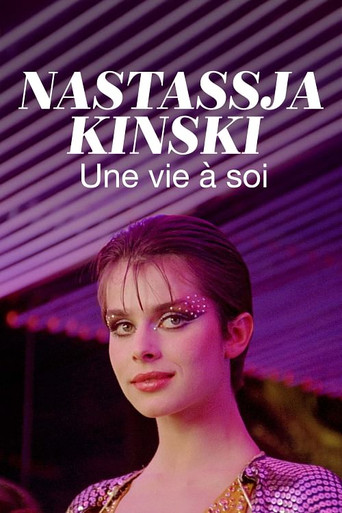
In the 1980s, Nastassja Kinski was an international star and a true sex symbol. In just a few films, she established herself as one of the most talented and promising actresses of her generation. Discovered at age 13 by Wim Wenders and revealed by Roman Polanski at 18, she built her career around the images that directors projected onto her, seeking to break the stereotypes that people wanted to box her into. However, after a 10-year career, Nastassja Kinski disappeared, leaving us with a mystery.
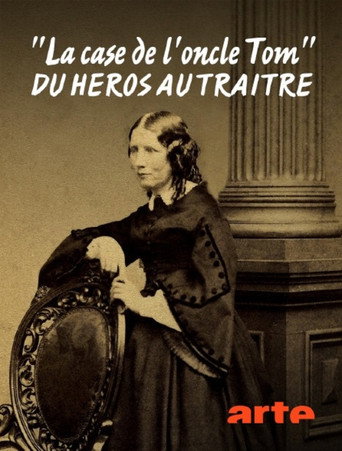
A huge bestseller in its day, the novel Uncle Tom's Cabin championed the abolitionist cause while perpetuating racist prejudices about African Americans. A remarkable analysis of a work steeped in ambivalence, which left a lasting impression on readers.