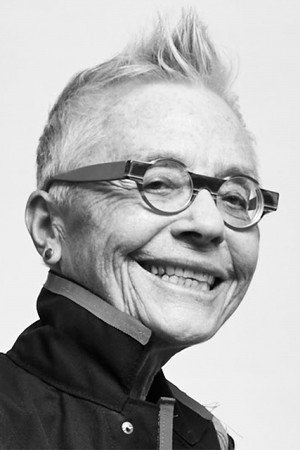
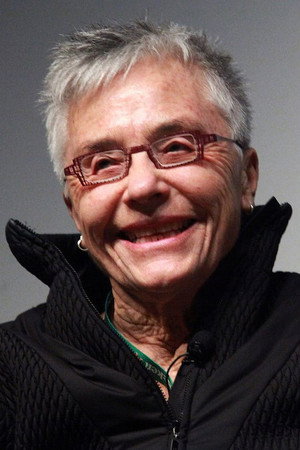
Barbara Hammer Movies, TV Shows, and Filmography
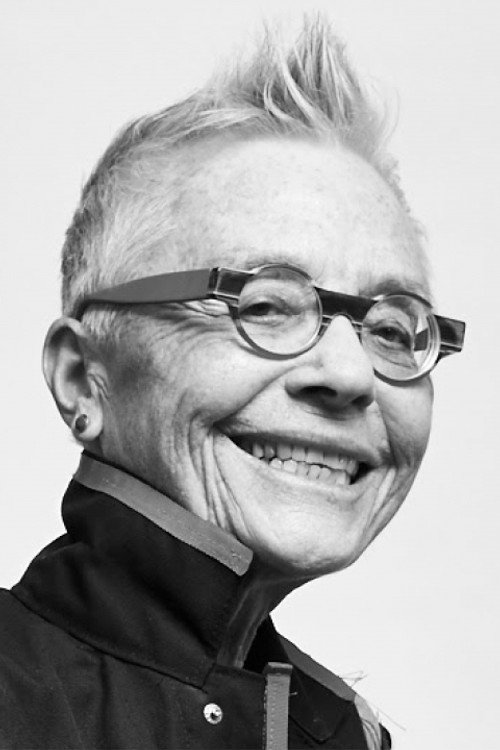
Barbara Hammer
Directing
Biography
Barbara Hammer was born on May 15, 1939 in Hollywood, California. She was a visual artist working primarily in film and video. She made over 80 moving image works in a career that spanned 40 years. She is considered a pioneer of queer cinema.
Filmography Movies
Acting
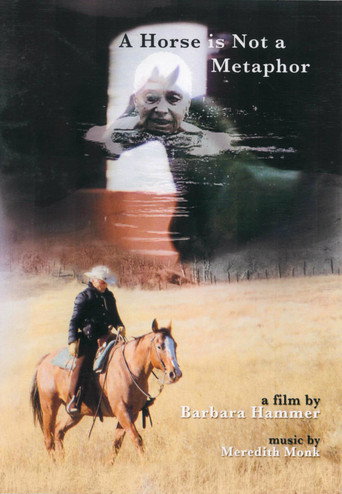
A Horse Is Not a Metaphor
The filmmaker, fighting ovarian cancer, stage 3, returns to her experimental roots, in a multilayered film of numerous chemotherapy sessions with images of light and movement that take her far from the hospital bed. A a cancer ‘thriver’ rather than ’survivor’, Barbara Hammer rides the red hills of Georgia O’Keefe’s Ghost Ranch in New Mexico, the grassy foothlls of the Big Horn in Wyoming, and leafy paths in Woodstock, New York changing illness into recovery. The haunting and wondrous music of Meredith Monk underscores and celebrates in this film that lifts us up when we might be most discouraged.
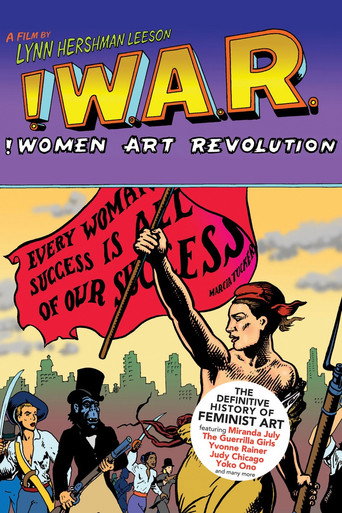
!W.A.R.: !Women Art Revolution
Through intimate interviews, provocative art, and rare, historical film and video footage, this feature documentary reveals how art addressing political consequences of discrimination and violence, the Feminist Art Revolution radically transformed the art and culture of our times.
Dyketactics
Born in Los Angeles but a New Yorker by choice, Barbara Hammer is a whole genre unto herself. Her pioneering 1974 short film Dyketactics, a four-minute, hippie wonder consisting of frolicking naked women in the countryside, broke new ground for its exploration of lesbian identity, desire and aesthetic.
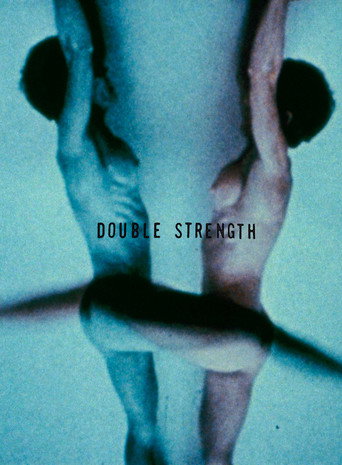
Double Strength
Four stages of a lesbian relationship explored in an experimental film starring performance artists Terry Sendgraff and Barbara Hammer on suspended trapezes and ropes.
Film Hawk
What do filmmakers as disparate as Kevin Smith, Ed Burns, Rob Epstein, and Barbara Hammer have in common? A secret weapon known as Bob Hawk. As a veteran of the American independent film scene since its inception, the cinephile and consultant has been a regular, cherished presence at film festivals and markets for over three decades. Hawk saw promise in scrappy, independently produced films like Clerks and The Brothers McMullen when no one else even knew to look, and he brought these films to the attention of the Sundance Film Festival, thereby launching multiple careers in the process. An unsung champion of new voices, he has discovered innovative work, nurtured new talents, and brokered relationships with film festivals and critics alike, while staying out of the spotlight—until now. At 75, Bob Hawk looks back on a still-vibrant life in independent film, exploring how the rebellious gay son of a preacher found his calling as a behind-the-scenes film impresario.
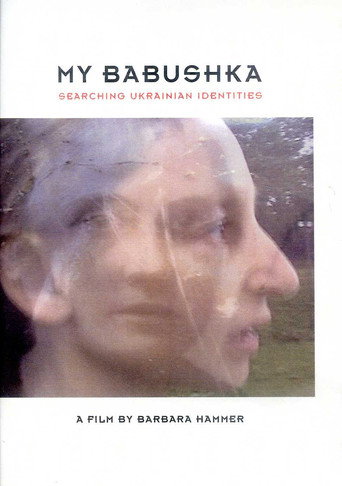
My Babushka: Searching Ukrainian Identities
This video documentary centers on the questions of civil liberties and cultural differences in a society beginning to open as one woman searches for her own ethnic roots, identity and family history in Ukraine. Issues of human rights, anti-Semitism, homophobia, feminism and a divided and economically-depressed country are encountered as Barbara Hammer, a feminist activist and pioneer of lesbian cinema, return to a “homeland” full of struggling as people search for a new post-glasnost identity.
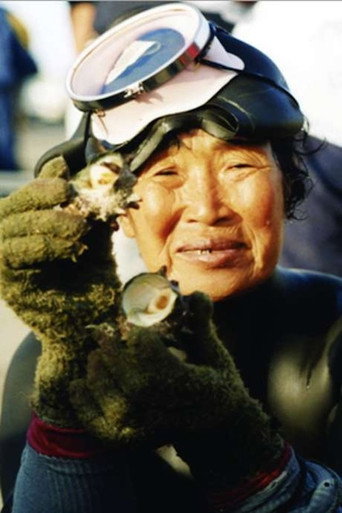
Diving Women of Jeju-do
Jeju-do is the largest of Korean islands and lies between Korea and Japan. There, for hundreds of years, women dive without breathing apparatus, to the ocean floor and collect shellfish, octopus, and urchins that they sell. The divers are in their sixties and seventies and their daughters do not want to inherit their work, lifestyle, and health problems that go with diving. As a filmmaker I was privileged to meet many of these women and dive with them. Their stories of hardship and pride confirmed my desire to record this unique and ancient tradition.
Women of Vision
Documentary that highlights 18 women and covers a period of time from the 50's to the 90's. The women chosen were selected because they represent the real diversity within both feminism and independent film and video. They range in age from 65 to 25. They are black, white, Puerto Rican, Yugoslavian, Asian American, biracial. They are straight, gay and bisexual. What they share is a need to express their own interpretations of what American culture is and could be and a belief that this work is made particularly powerful through the media.
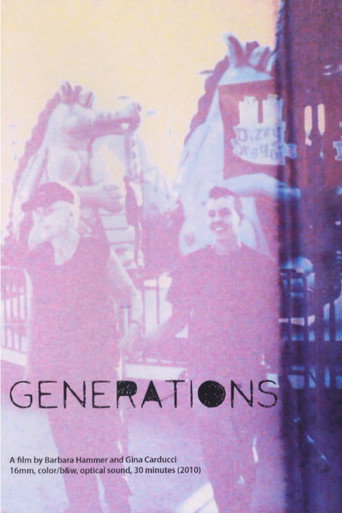
Generations
Generations is a 30 minute 16mm film about mentoring and passing on the tradition of personal experimental filmmaking. Barbara Hammer, 70 years old, hands the camera to Gina Carducci, a young queer filmmaker. Shooting during the last days of Astroland at Coney Island, New York, the filmmakers find that the inevitable fact of aging echoes in the architecture of the amusement park and in the emulsion of the film medium itself. Inspired by Shirley Clarke’s Bridges Go Round, both filmmakers edited picture and sound separately, joining their films in the middle when they finished making a true generational and experimental experiment.
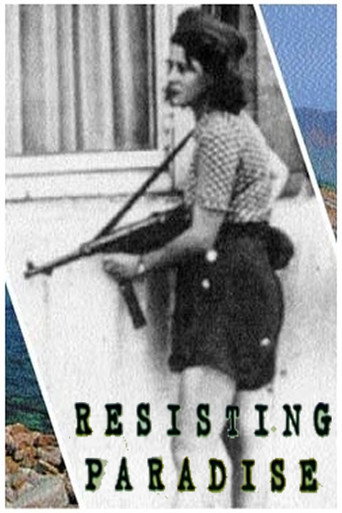
Resisting Paradise
Hammer’s 2003 film Resisting Paradise, which deals with the concept of art as a tool of political resistance, was especially fascinating to me. Hammer, who was doing a painting residency in Cassis, France, when war broke out in Kosovo, found herself questioning the validity of art in the face of political conflict and unrest. She began exploring the history of the French Resistance in Cassis, and used that as a chance to reflect on how Cassis’ artistic community, both those who were threatened by the Nazi occupation of France and those who were able to remain relatively neutral, reacted to the atrocities of the Second World War.
Production
The Great Goddess
A child, two youths, a mother and three crones spin spirals, joining rituals of birth, death and rebirth. Filmed in Mendocino, California, where the water snake appeared on each shooting day, where the river flooded the sand spiral, where earth, air, fire and water met.
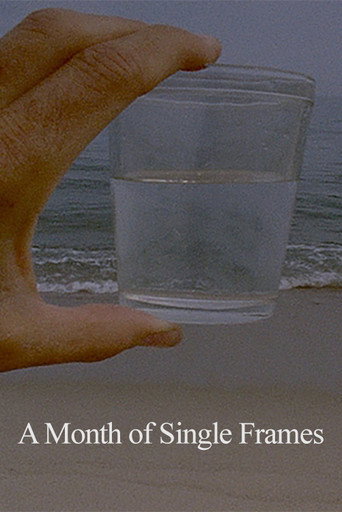
A Month of Single Frames
In 1998, filmmaker Barbara Hammer had a one-month artist residency in the C Scape Duneshack which is run by the Provincetown Community Compact in Cape Cod, Massachusetts. The shack had no running water or electricity. While there, she shot 16mm film with her Beaulieu camera, recorded sounds with her cassette recorder and kept a journal. In 2018, Barbara began her own process of dying by revisiting her personal archive. She gave all of her Duneshack images, sounds and writing to filmmaker Lynne Sachs and invited her to make a film with the material.
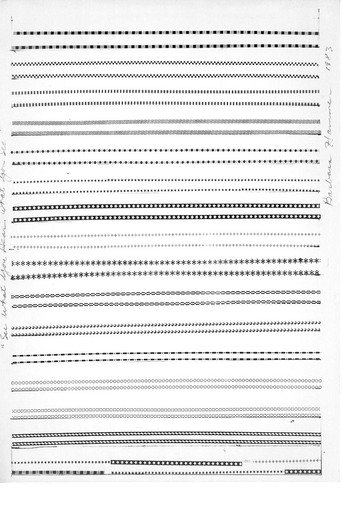
See What You Hear What You See
Optical sound!
Lover Other
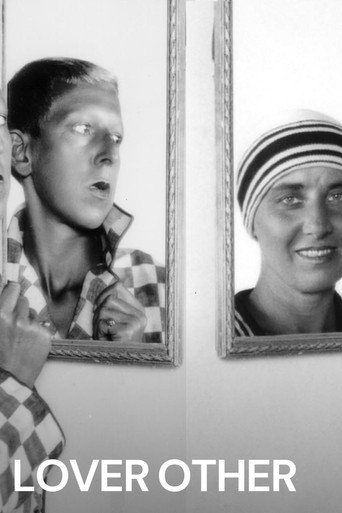
1920’s Surrealist artists Claude Cahun and marcel Moore come to life in this hybrid documentary. Lesbians and step-sisters, the gender-bending artists lived and worked together all their lives. Heroic resisters to the Nazis occupying Jersey Isle during WWII, they were captured and sentenced to death. Award-winning filmmaker Barbara Hammer infuses this film with vigor using photographs, archival footage, dramatic interludes of a “found Cahun script”, and unique interviews of Jersey Isle residents who knew the “sisters”.
Lover Other
1920’s Surrealist artists Claude Cahun and marcel Moore come to life in this hybrid documentary. Lesbians and step-sisters, the gender-bending artists lived and worked together all their lives. Heroic resisters to the Nazis occupying Jersey Isle during WWII, they were captured and sentenced to death. Award-winning filmmaker Barbara Hammer infuses this film with vigor using photographs, archival footage, dramatic interludes of a “found Cahun script”, and unique interviews of Jersey Isle residents who knew the “sisters”.
The Female Closet
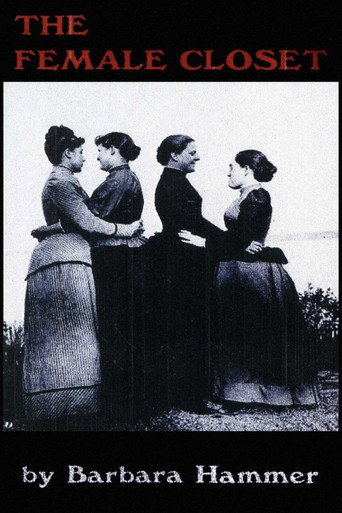
The Female Closet uses archival photographs, home movies, interviews, and other visual materials to explore the closeted lesbian stories of artists Alice Austen, Hannah Höch and Nicole Eisenman. Utilizing groundbreaking research, newly discovered home movies, and archival photographs, and other visual sources, The Female Closet is a cultural interrogation of the closeted and not-so-closeted lives of three women artists.
Lover Other
1920’s Surrealist artists Claude Cahun and marcel Moore come to life in this hybrid documentary. Lesbians and step-sisters, the gender-bending artists lived and worked together all their lives. Heroic resisters to the Nazis occupying Jersey Isle during WWII, they were captured and sentenced to death. Award-winning filmmaker Barbara Hammer infuses this film with vigor using photographs, archival footage, dramatic interludes of a “found Cahun script”, and unique interviews of Jersey Isle residents who knew the “sisters”.
Lover Other
1920’s Surrealist artists Claude Cahun and marcel Moore come to life in this hybrid documentary. Lesbians and step-sisters, the gender-bending artists lived and worked together all their lives. Heroic resisters to the Nazis occupying Jersey Isle during WWII, they were captured and sentenced to death. Award-winning filmmaker Barbara Hammer infuses this film with vigor using photographs, archival footage, dramatic interludes of a “found Cahun script”, and unique interviews of Jersey Isle residents who knew the “sisters”.
New York Loft
“Both NEW YORK LOFT and DOLL HOUSE convey a strong sense of resourcefulness, this ‘making something’ out of interiors, specifically domestic spaces. And domestic they are, in an avant-garde sort of way. The filmmaker gives plentiful evidence of arranging things, moving them, adjusting, placing and re-placing. First are poles and sticks found; second is fabric, sheets, pillows; in a third section we see round things. Circular magnets, machine parts, film cans and the like eventually become visually paralleled with the camera lens itself. The lens is seen as Barbara films into a round mirror. How different are the visions of this woman-with-a-movie-camera from Vertov of sixty years ago! Each extols the camera-eye, but Hammer replaces Vertov’s sociopolitical kino-truths with adventures in domestic space.” – Claudia Gorbman, Jump Cut
Hot Flash
A dramatic romantic comedy narrative featuring a pre-menopausal woman who tires to join the Hot Flashes.
Gallery