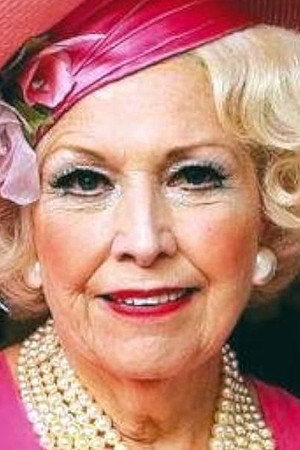
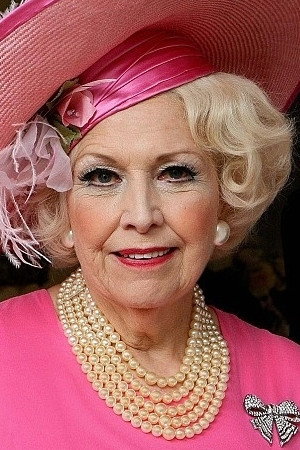
Barbara Cartland Movies, TV Shows, and Filmography
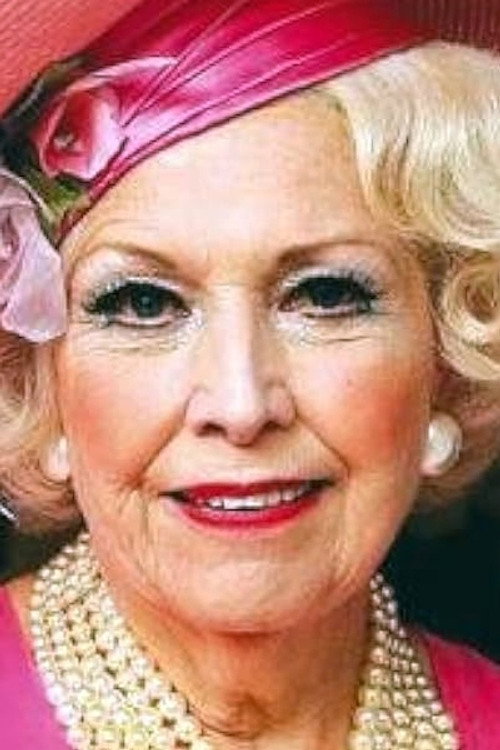
Barbara Cartland
Writing
Biography
Dame Mary Barbara Hamilton Cartland, DBE, DStJ (9 July 1901 – 21 May 2000) was an English writer, known as the Queen of Romance, who published both contemporary and historical romance novels, the latter set primarily during the Victorian or Edwardian period. Cartland is one of the best-selling authors worldwide of the 20th century. Many of her novels have been adapted into films for television including A Hazard of Hearts, A Ghost in Monte Carlo and Duel of Hearts. Her novels have been translated from English into numerous languages, making Cartland the fifth most translated author worldwide (note: not including biblical works). Her prolific output totals some 723 novels. Although best known for her romantic novels, she also wrote non-fiction titles including biographies, plays, music, verse, drama, operettas, and several health and cook books. She also contributed advice to TV audiences and newspaper magazine articles. She sold more than 750 million copies of her books, though other sources estimate her total sales at more than two billion. The covers of her novels featured portrait-style artwork, usually designed by Francis Marshall (1901–1980). Cartland was also a businesswoman who was head of Cartland Promotions. She was a London society figure, often dressed in a pink chiffon gown, a plumed hat, blonde wig, and heavy make-up. Born at 31 Augustus Road, Edgbaston, Birmingham, Cartland was the only daughter and eldest child of an Officer of the British Army, Major James Bertram "Bertie" Falkner Cartland (1876–1918), and his wife, Mary Hamilton Scobell, known as "Polly" (1877–1976). Cartland had two brothers: Major Ronald Cartland, a Member of Parliament (MP) who served as a Army Major in World War II (1907–1940), and James Anthony "Tony" Hamilton Cartland (1912–1940). Both were killed in action in Flanders. Though she was born into upper middle-class comfort, the Cartland family's finances rapidly deteriorated shortly after her birth. Cartland would later attribute this downturn to the suicide of her paternal grandfather, James Cartland, who, she stated, was a financier who shot himself in the wake of bankruptcy. However, according to the entry in the probate registry, James Cartland, the proprietor of the brass foundry firm James Cartland & Son Ltd, left an estate of £92,000. This was followed soon afterwards by her father's death in Berry-au-Bac in World War I. Cartland's mother opened a London dry goods store to make ends meet, and to raise Cartland and her two brothers. Cartland was educated at private girls' schools: The Alice Ottley School, Malvern Girls' College, and Abbey House, an educational institution in Hampshire. She became successful as a society reporter after 1922, and a writer of romantic fiction; she stated she was inspired in her early work by the novels of the Edwardian author Elinor Glyn, whom she idolised and eventually befriended. ... Source: Article "Barbara Cartland" from Wikipedia in English, licensed under CC-BY-SA.
Filmography Movies
Acting
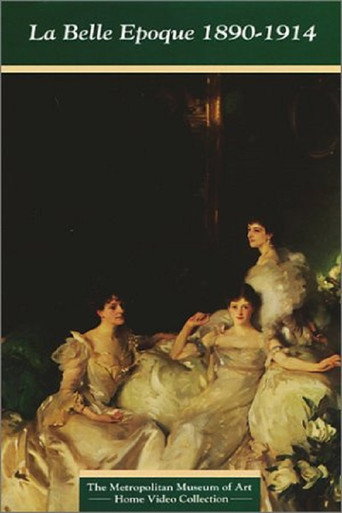
La Belle Epoque
Featuring Douglas Fairbanks Jr. and Diana Vreeland, La Belle Epoque evokes "the beautiful era" of 1890-1914, a time in which the wealthy upper classes of the Western world gave themselves over to a life of elegance and taste-making, their eyes closed to the increasing social and political turmoil fermenting beneath the surface of polite society. The program uses period motion pictures, photographs, and sound recordings, as well as the arts and fashions of the period to supplement the spoken memories of the participating interviewees who actually lived... La Belle Epoque.
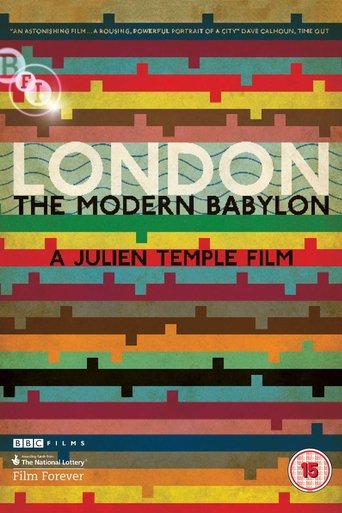
London: The Modern Babylon
London: The Modern Babylon is legendary director Julien Temple's epic time-traveling voyage to the heart of his hometown.
Production
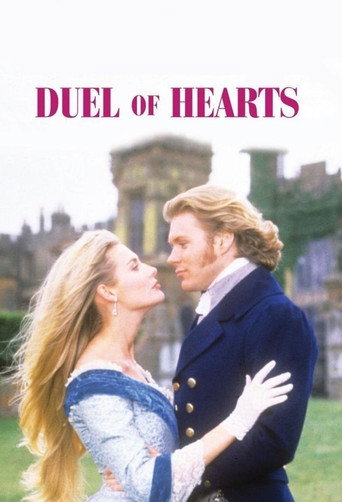
Duel of Hearts
Lady Caroline Faye meets Lord Vane Brecon and is attracted to him. When she finds out that he is being accused of a murder he did not commit, she sets out to prove him innocent
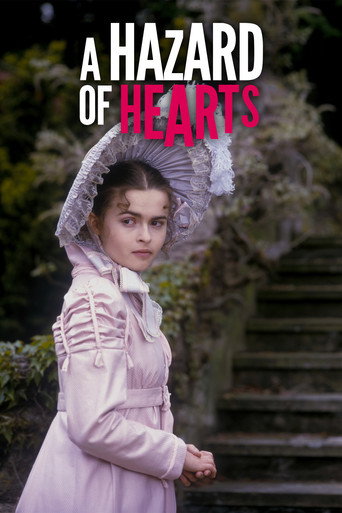
A Hazard of Hearts
When compulsive gambler Sir Giles Staverley has lost his estate and all his money playing dice, he realises that he only has one thing left of value: his daughter Serena. In a final game, he stakes his daughter's hand in marriage, convinced that this time he will not lose. Unfortunately, however, he does lose; to the evil Lord Wrotham. Unable to return home and tell his daughter that he has lost her in a game of dice, Sir Giles kills himself there and then. Lord Vulcan, who has witnessed the events, takes pity on Serena Staverley, although they have never met. He challenges Lord Wrotham to a game of dice in which the winner takes both Staverley Court and Miss Serena.
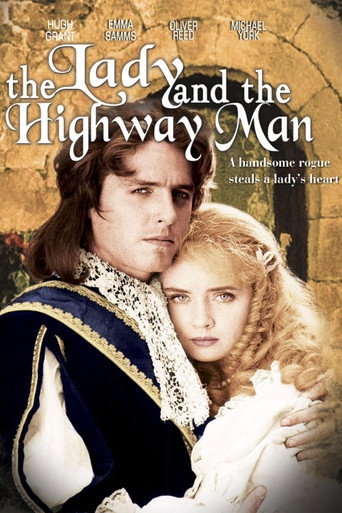
The Lady and the Highwayman
During one of his robberies, a highwayman, who steals from the rich and gives to the poor, falls in love with an aristocratic lady. Now, he is forced to choose between his true love or his true cause.
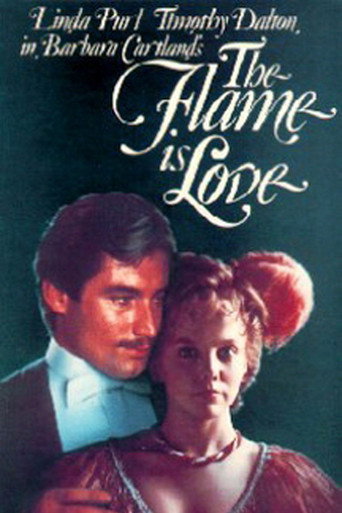
The Flame Is Love
In this melodrama from Barbara Cartland's 1975 bestseller, a turn-of-the-century American heiress, while en route to her betrothal to an English duke, encounters love and intrigue in the arms of a French journalist.
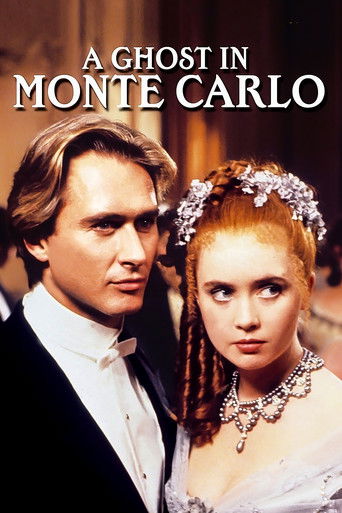
A Ghost in Monte Carlo
A chance meeting between British nobleman and lovely young Mistral foils a plot by her manipulating Aunt Emilie to avenge the death of her sister, Mistral's mother, who died in childbirth. But when an unscrupulous blackmailer and a rapacious Rajah enter the plot, the growing attraction between Lord and convent girl becomes yet more fraught with Danger.
Gallery