Directing
No biography available.
This historical and analytical documentary draws attention to the background of the roots of "New Austrian Cinema" and presents Austria as a film country to be taken seriously. The audience gets to see rare early works by well-known filmmakers as well as shots of landscapes that served as a source of inspiration and locations that have produced important Austrian films since the end of the 19th century.
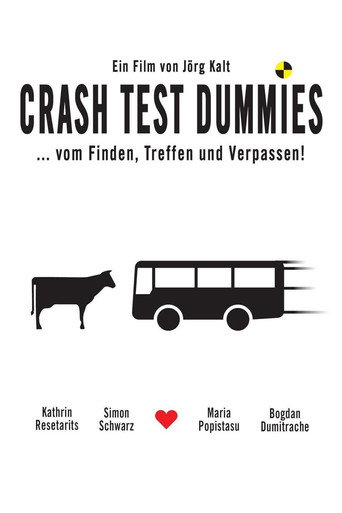
Ana and Nicolae, a young Romanian couple, travel by bus from Bucharest to Vienna with the prospect of making quick money by handing over a stolen car. As soon as they arrive, however, they are reassured that the car is not yet ready for them. Ana then wants to go back to Romania, Nicolae would rather travel further west. They are stuck penniless in Vienna.
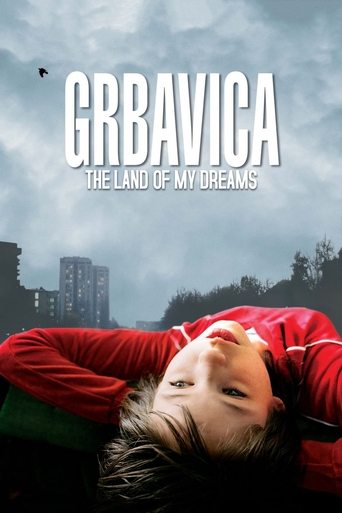
A woman and her daughter struggle to make their way through the aftermath of the Balkan war.
Frustrated, because he is forced to produce bad TV-shows, a manager of a TV-station, enters the station and manipulates the ratings, to initiate a TV-revolution.
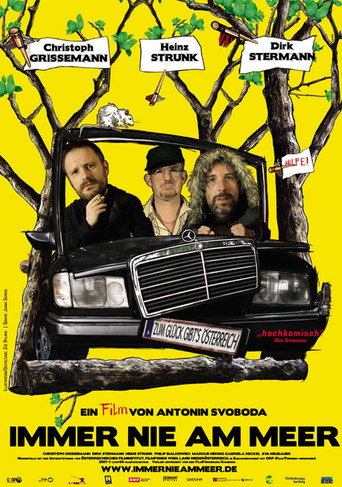
History professor Baisch, his depressive and tablet-addicted brother-in-law Anzengruber and a manic cabaret artist have a car accident on a remote country road after a party. Wedged between two trees they get stuck, doors and windows can no longer be opened, the windows made of bulletproof glass cannot be smashed. Injured and with no chance of escape, they wait for days for rescue. Their only provisions are a bowl of herring salad and a few bottles of Prosecco. Fits of rage and fear alternate with overwrought hilarity and desperate fits of crying. But it gets worse...
In Garcia Lorca's mother tongue, death is a woman: "la muerte". Daniel slips into the role of "death as a female" and speaks before a video camera on the life and death of the famous Spanish poet. Then the story begins.
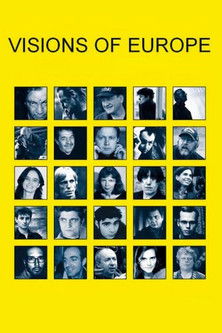
Twenty-five films from twenty-five European countries by twenty-five European directors.
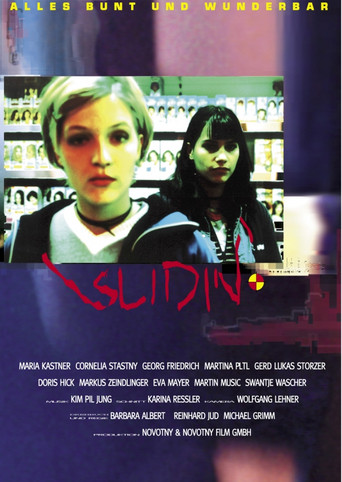
Three stories by three directors, three journeys into the world of teenagers and countercultures. The stories are interlaced with each other. Characters with a small performance in one story will play a major part in one of the other two stories so we will learn more about them, on the other hand central characters appear again in the periphery of one of the other stories. It is done in a casual way, comparable with the situation in daily life when two friends are running into each other by chance. Petra and Nicole in their shrill world of brightness. Loafing around, bumming and teasing guys.
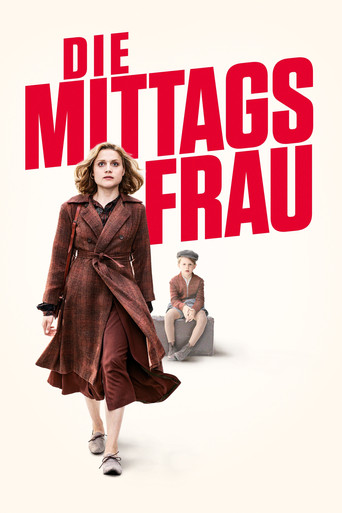
After WWII, Helene is ready to do anything to start a new life. As a young woman, she came to the exciting Berlin of the roaring 20s, wanting to become a doctor, and soon fell in love with a man named Karl. But the course of her life took a drastic, irreversible turn when the Nazis came into power.
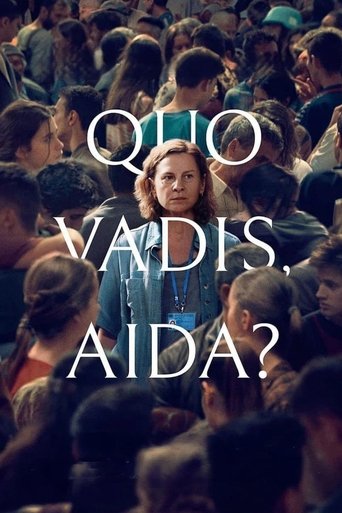
Bosnia, July 1995. Aida is a translator for the UN in the small town of Srebrenica. When the Serbian army takes over the town, her family is among the thousands of citizens looking for shelter in the UN camp. As an insider to the negotiations Aida has access to crucial information that she needs to interpret. What is at the horizon for her family and people – rescue or death? Which move should she take?