Balázs Galkó Movies, TV Shows, and Filmography

Balázs Galkó
Acting
Biography
No biography available.
Filmography Movies
Acting
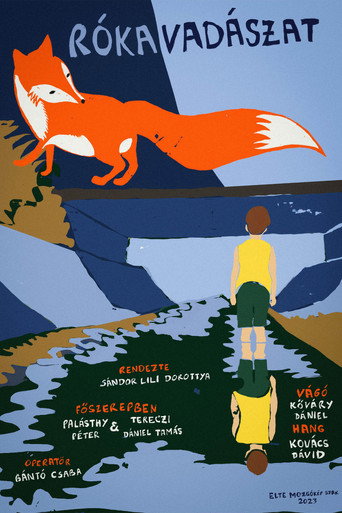
Hunters
A young boy feels lost in the world. He only finds solace in his imagination. But it’s getting harder to escape from reality.
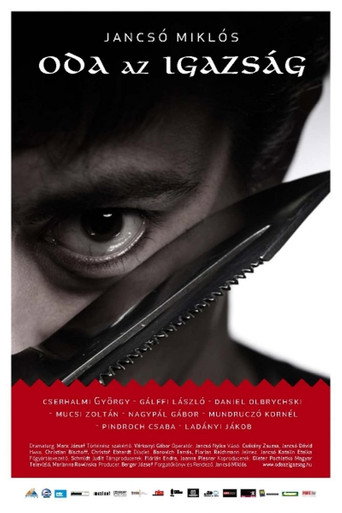
So Much for Justice!
Concerning the Mátyás era in Hungarian history, during the reign of Matthias Corvinus (1443–1490), the film focuses on three eras of the king's life: the young Mátyás fights for the throne, the older Mátyás as king, and the fate of the royal crown and the royal heir after his death.
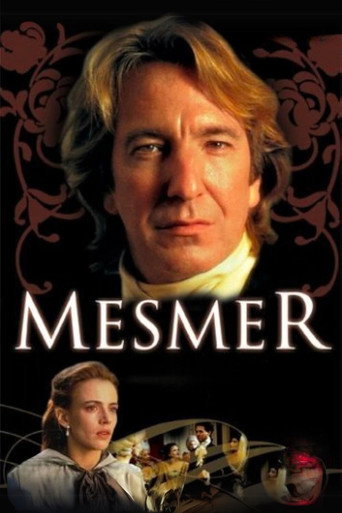
Mesmer
A biography of the eighteenth century Viennese physician, Franz Anton Mesmer, who used unorthodox healing practices based on his theory of "animal magnetism."
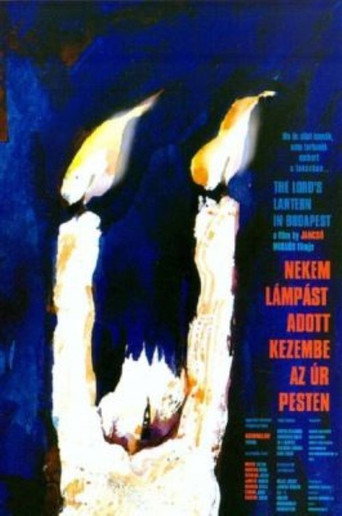
The Lord's Lantern in Budapest
In the Kerepesi Street cemetery, three grave diggers contemplate the fate of the world, then they step out of this role and in a sequence of episodes they play the typical figures of contemporary Hungarian reality, the fat cat, the swashbuckler, the victim, underworld chieftains, and present little absurd dramas of love, marriage, friendship, public order and legal safety. The author and the film director walk among them all the time, contemplating, laughing at their plays. The stories starting from the graveyard and returning there warn of the inevitability of death. The author and the director (Gyula Hernádi and Miklós Jancsó) wisely make friends with death.
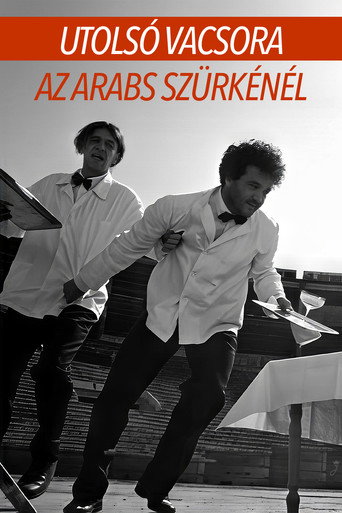
Last Supper at the Arabian Gray Horse
Waiters’ competition at Heroes’ Square in the late thirties. Dressed as waiters, Kapa and Pepe awake in the bronze chariot of the millennial sculpture group. They drive along the Danube promenade, and on the concrete reinforcement of the demolished Budapest rondella hotel they get involved in a showdown of political background. In the burnt-down Sports Hall the waiters train for a last supper, Pepe and Kapa run around the big laid table with trays in their hands. While doing so, Pepe keeps crying out: "I am the best one, I am the most beautiful one, I am the king, I am the god..." Sitting in a boat on the Danube, a ship goes past them, and the Niagara falls, majestic and breathtaking, resound in their ears. On each passing away something new will come to life – as rapped by Sub Bass Monster.
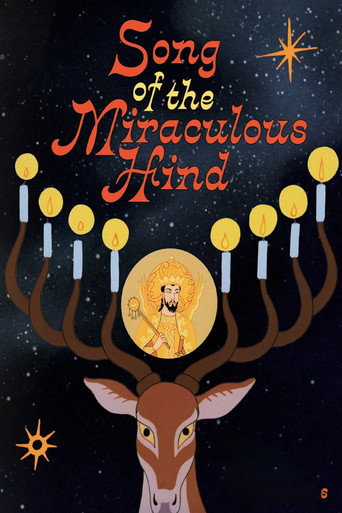
Song of the Miraculous Hind
Divided into four sections, "Song" is inspired by the Siberian and Finno-Ugric legends about Creation, in which the world begins with characters who are only half-human, one being half-bird, the other half-bear. The narrator delves into the origins of Hungarian culture, the Iranian and Turkish influences that impacted the society, and finally the story of Stephen, the emperor who brought Christianity to the country and shifted the capital west in an attempt to link with Europe.
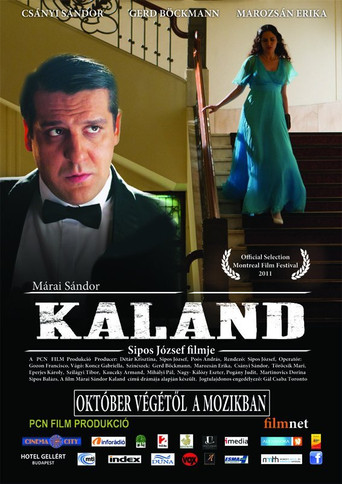
Adventure
In 1940 Budapest, a successful doctor leads a perfect life, unaware that his wife and his adopted son are planning to run away together.
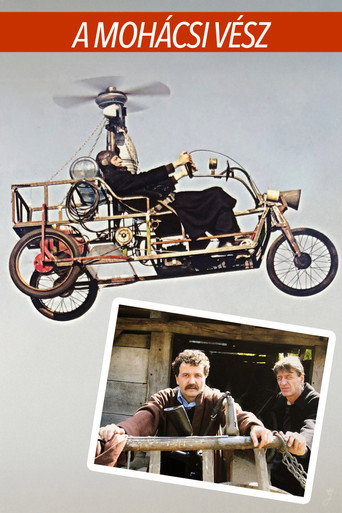
The Battle of Mohács
By the notes of Fiáth Pompeiusz, the one-time friend of Kapa and Pepe, Professor Szirtes has solved the secret of the time machine, and he realizes the invention relying on "special" H2O. Kapa and Pepe shall return by it into the past in order to set time right, which is out of joint, that is, to correct history, to save King Louis II, and prevent the Mohács Disaster. Pepe yields to the not too tender persuasion to enter upon the great journey through time, dies and revives, and they arrive at the battlefield of Mohács in time. Kapa films the events. The Turks win and cut off the king’s, Pepe’s, head, still the Hungarians dictate the peace treaty. Kapa and Pepe want to return, they fill the time machine up with water from the well, yet it won’t start. Even so Kapa and Pepe hover over Budapest and quarrel.
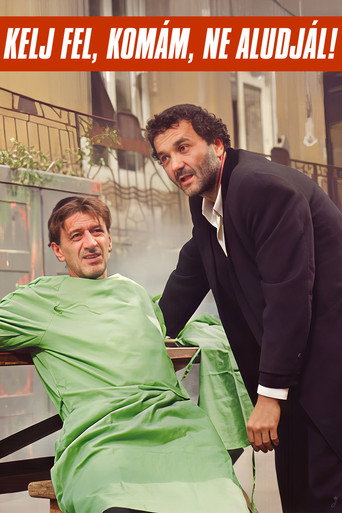
Wake Up, Mate, Don't You Sleep
This time, Kapa and Pepe are first of all prisoners of war – and convicts taken to forced labor service, Jews, Hungarian soldiers, German soldiers. Once they are to be executed, then again they are to perform executions. The film tells in spectacular episodes about the fact that in the past more than one century and a half we kept marching from war to war; occupation and liberation turned out to be indifferent, and why couldn’t the Jews execute the SS-guys? Our heroes hover about dilapidated barracks, then again on the bridges of the capital they guess whose satellites or eternal friends for all times we might be just now. In the cupboard, among the preserved fruit bottles, Stalin is still hiding. The authors of the film are cited before court, then in a showcase hospital they are waiting for the end to come. A Soviet soldier-maid closes the film with a Péter Nádas-quote.
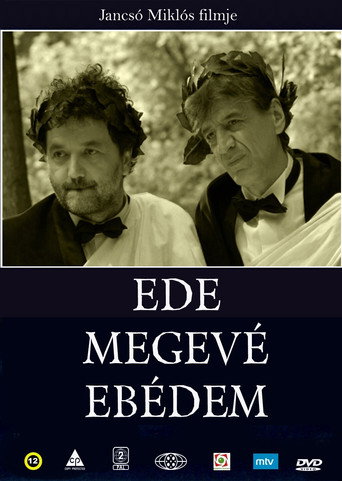
Ed's Eaten Elevenses
Jancsó’s farce, similar to the previous ones, is about our time and about death. Pepe marries into a family of mafiosi, with the father-in-law rolling in money. In a joint venture they establish the first Hungarian Prison Limited company, where there is a menu, the prisoners are residents, and they furnish the place of execution for those volunteering to execute themselves. It turns out that the first voluntary hanging should be demonstrated on Pepe. In 180 AD Emperor Marcus Aurelius is dying in Vindobona, being fed with blades of hay by uncle Miki himself, and his son Kornél Mundruczó. Kapa provides for communication: he insists on telling lies, lies and again lies. Furthermore, there are several to die and to revive, to win and to lose, and Melancholy Béla is still alive.
Gallery