Directing
No biography available.
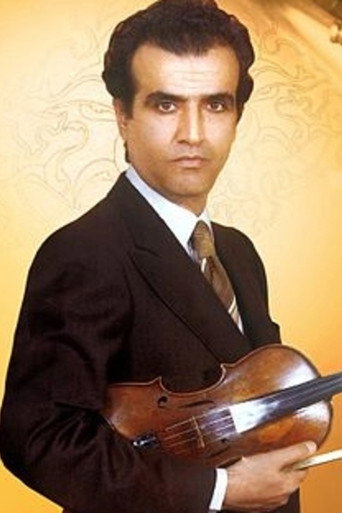
This movie is a documentary about Parviz Yahaghi, one of the most famous composers and musicians in Iran, who became isolated after the revolution due to the conditions in Iran. Born in 1935, Parviz Yahaghi, was a regular on the radio show 'Golha' from a young age. Several pre-revolutionary singers such as Mahasti, Homeira and Marzieh became famous for his songs, and with the sound of his violin, many fell in love with Iranian music. He became isolated after the victory of the revolution, although his music was never isolated. Parviz Yahaghi died in February of 2007. The film looks at his life in his own words and in the last years of his life.
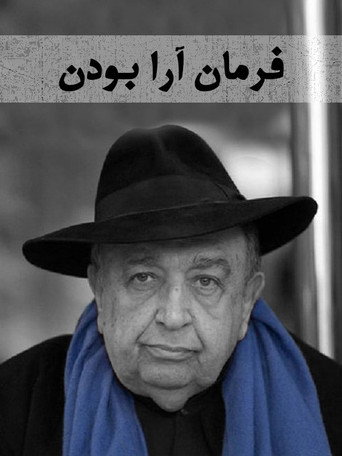
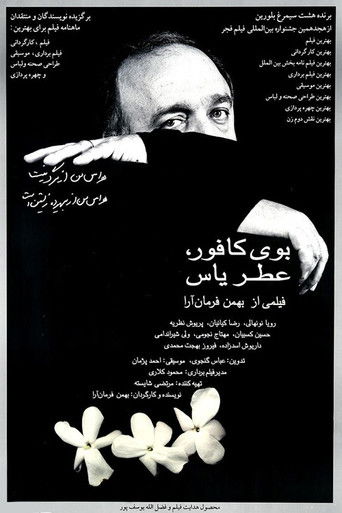
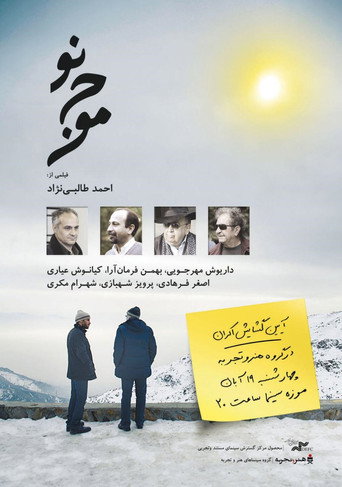
This documentary looks at different aspects of the life of Bahman Farmanara, the well known Iranian film director and producer.
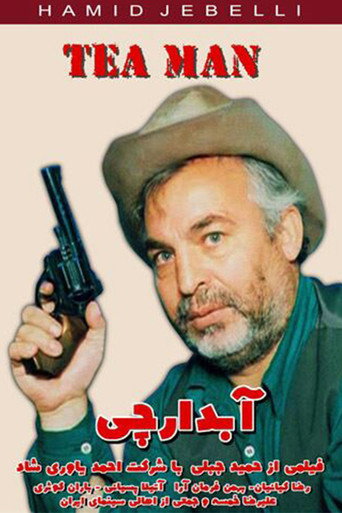
This film is about the interest of a person named Ahmed in cinema. Ahmed has been very interested in cinema since his childhood. He started working in cinema as a teenager because of his interest. Ahmed is currently a famous tea man in Iranian cinema.
Directed by Bahman Farman Ara.
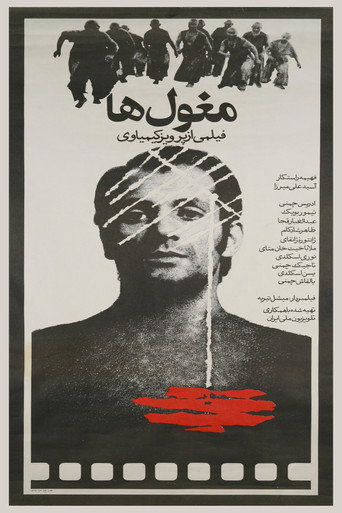
A director of a television series on the history of cinema, who has been grappling with the screenplay of his first feature film, receives an assignment to oversee the installation of a television relay station in a remote region of Zahedan province. He has already hired Turkmen tribespeople for his film and selected his filming location. Meanwhile his wife, who is working on her Ph.D. dissertation about the Mongol invasion of Iran, attempts to dissuade him from accepting the assignment. One night, while working on his history of the cinema series, the director fantasizes a diegetic world that consists of clever juxtapositions of his different worlds: the history of cinema, the history of the mongol invasion, his own film idea and his imminent assignment to the desert.
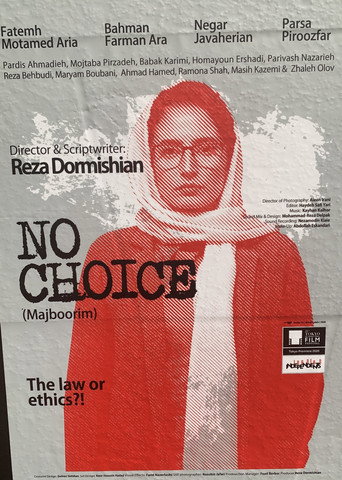
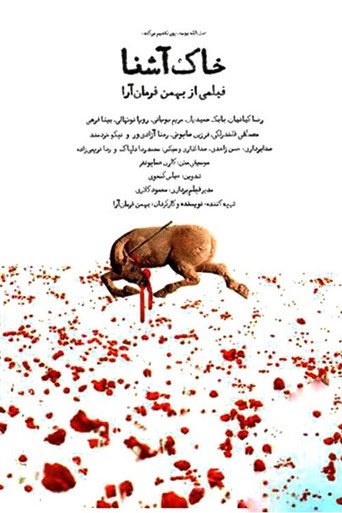
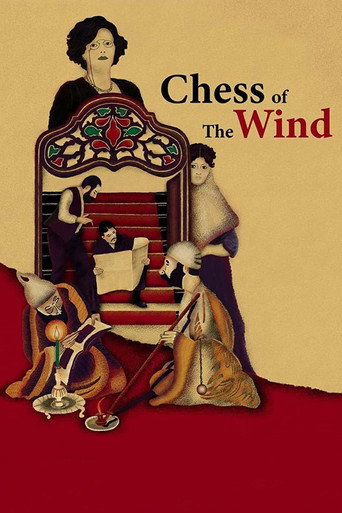
Death surrounds Bahman, a director who hasn't made a film in 24 years (he can't get past the censors). He's working on a documentary, for Japanese TV, on Iranian burial practices. On the anniversary of his wife's death, a hitchhiker tells him a story of spousal abuse and infant mortality, he discovers that someone has been buried in his plot next to his wife, and he needs the help of his attorney, a well-connected fixer. He dreams of death, even as he investigates it for his film. His niece's husband, a well-known writer, fails to return home; he searches hospitals for an unclaimed body. His heart disease is flaring up. Is he prepared for death? Is that all that's left?
Taher Mohebi is a well-known writer who, after witnessing a violent murder, breaks down and spends three years in a mental institution. After release he is told that things are just as they were before, but his relentless hallucinations make him want to return to the institution.
A Documentary about the New Wave movement in Iranian cinema.
A young homeless girl supports herself as a surrogate mother for money. A human rights attorney tries to help her change her life, but ithe challenges seem insurmountable. This is a rarely seen side of Iranian society.
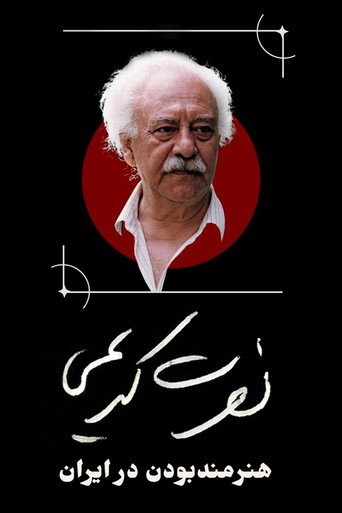
This documentary series, spanning six feature-length films, explores the life and artistic journey of Nosratollah Karimi — an Iranian actor of theater and cinema, director, writer, sculptor, university professor, and gardener.
An artist's life who lives in a village of Kurdistan,Iran has been changed because his nephew enters to the village.
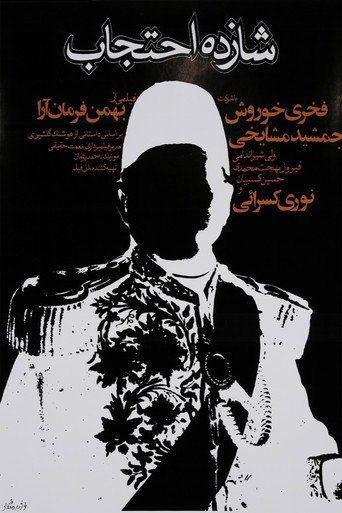
Prince Ehtejab, one of the last remaining heirs of the Qajar royal family, is suffering from tuberculosis, which he knows is fatal. He spends his last days alone in the magnificent rooms of his wintry palace, from where he recollects the glory days of his ancestors as well as days of degradation. Among the latter are the gruesome manner in which his cruel grandfather murdered his mother and brother, and the way that he himself caused the death of his wife.
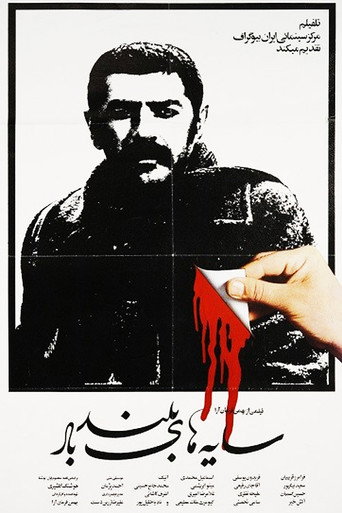
Based on a short story by Houshang Golshiri, this film centers on mysterious and chilling events that take place in a village. A group of superstitious inhabitants have erected a scarecrow for protection but soon find themselves terrorized by it. Made at the end of the Shah’s reign, the film offers a metaphorical reflection on power relations — how people create their own idols who turn around to terrorize them.
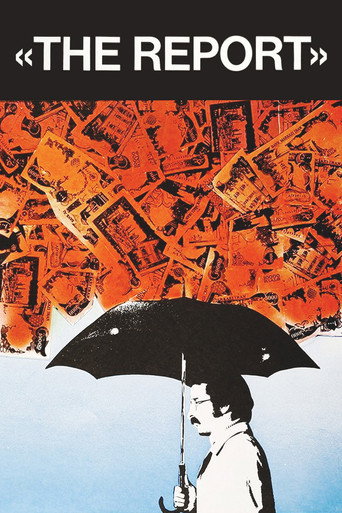
A tax collector is accused of taking bribes, and also has to deal with problems at home.
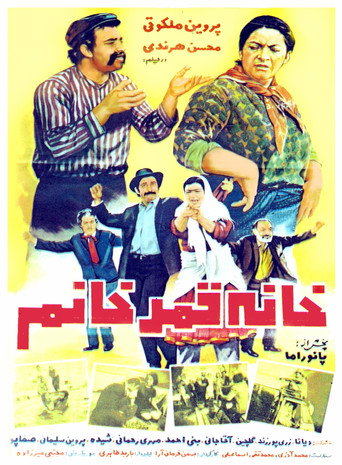
The first lady of a noble house has died and now there is conflict between the remainders for taking over her heritage.