Baden Powell Movies, TV Shows, and Filmography
Baden Powell
Sound
Biography
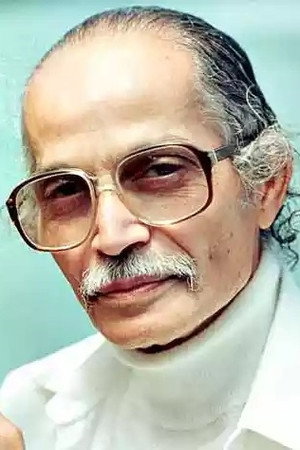
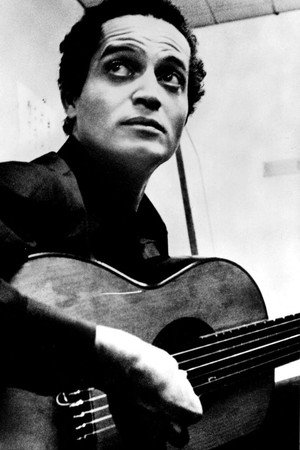
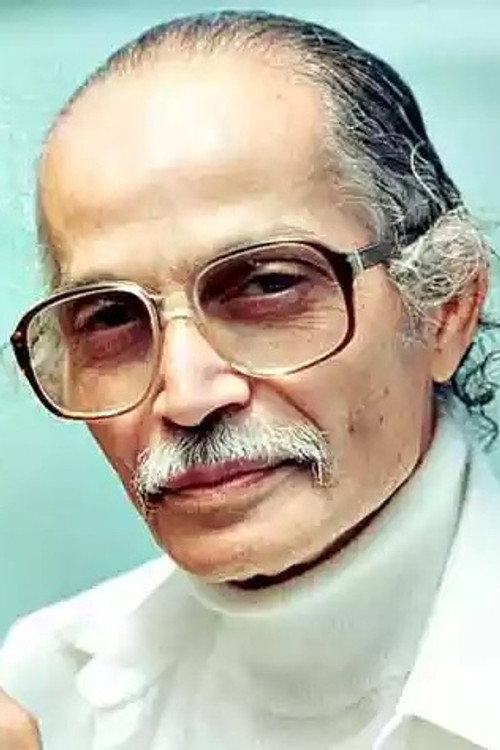
Baden Powell de Aquino (6 August 1937 – 26 September 2000), known professionally as Baden Powell, was a Brazilian guitarist. He combined classical techniques with popular harmony and swing. He performed in many styles, including bossa nova, samba, Brazilian jazz, Latin jazz and MPB. He performed on stage during most of his lifetime. Powell composed many pieces for guitar, such as "Abração em Madrid", "Braziliense", "Canto de Ossanha", "Casa Velha", "Consolação", "Horizon", "Imagem", "Lotus", "Samba", "Samba Triste", "Simplesmente", "Tristeza e Solidão", and "Samba da Benção". He released Os Afro-sambas, a watershed album in MPB, with Vinicius de Moraes in 1966. Baden Powell de Aquino was born in Varre-Sai in Rio de Janeiro, Brazil. His father, a Scouting enthusiast, named him after Robert Baden-Powell. When he was three months old, his family relocated to the Rio suburb of São Cristóvão. His house was a stop for popular musicians during his formative years. He started guitar lessons with Jayme Florence, a famous choro guitarist in the 1940s. He soon proved a young virtuoso, having won many talent competitions before he was a teenager. At age fifteen, he was playing professionally, accompanying singers and bands in various styles. He was fascinated by swing and jazz, but his main influences were in the Brazilian guitar canon. In 1955, Powell played with the Steve Bernard Orquestra at the Boite Plaza, a nightclub within the Plaza Hotel in Rio, where his skill got the attention of the jazz trio playing across the lobby at the Plaza Bar. When Ed Lincoln needed to form a new trio, he asked Powell to join on guitar to become the Hotel Plaza Trio. Powell brought in Luiz Marinho on bass and a fourth member of the "trio": Claudette Soares on vocals. Powell, Lincoln, and their young musician friends took part in after-hours jam sessions, gaining notice in the growing Brazilian jazz scene. Powell achieved wider fame in 1959 by convincing Billy Blanco, an established singer and songwriter, to put lyrics to one of Baden's compositions. The result was called "Samba Triste" and quickly became very successful. It has been covered by many artists, including Stan Getz and Charlie Byrd in their seminal LP Jazz Samba. In 1962, Powell met the poet-diplomat Vinicius de Moraes and began a collaboration that yielded classics of 1960s Brazilian music. Although bossa nova was the prevailing sound at the time, Baden and Vinicius wanted to combine samba with Afro-Brazilian forms such as candomblé, umbanda, and capoeira. In 1966 they released Os Afro-Sambas de Baden e Vinicius. Powell studied advanced harmony with Moacir Santos and released recordings on the Brazilian labels Elenco Records and Forma, as well as in the French label Barclay and the German label MPS/Saba (notably, his 1966 Tristeza on Guitar). He was the house guitarist for Elenco, and of the singer Elis Regina's TV show O Fino da Bossa. In 1968, Powell joined with poet Paulo César Pinheiro and produced another series of Afro-Brazilian-inspired music, released in 1970 as Os Cantores da Lapinha. Powell visited and toured Europe frequently in the 1960s, relocating permanently to France in 1968. ... Source: Article "Baden Powell (guitarist)" from Wikipedia in English, licensed under CC-BY-SA 3.0.
Filmography Movies
Acting

Viva Volta
A documentary on Brazilian trombone player Raul de Souza who, since 1996, has lived in Paris and suffers because he goes unnoticed, unrewarded in his native land. With the sound of his trombone for a background, the film takes him back to Bangu, in Rio de Janeiro, and retraces his trajectory.
O Tempo e o Som

Saravah
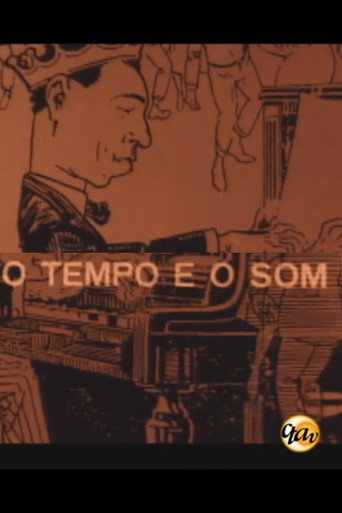
Documentary about Brazilian music circa 1969, with extremely rare scenes, such as the only color footage of Pixinguinha, images of João da Baiana, one of the fathers of Samba, Maria Bethânia rehearsing at Barroco nightclub, Baden Powell playing his acoustic guitar, Paulinho da Viola showing his masterpiece "Coisas do Mundo, Minha Nega", that he had just finished, and Márcia, a singer from São Paulo.

Pixinguinha, an Affectionate Man
The life of legendary Brazilian musician Alfredo da Rocha Vianna Filho, better known as Pixinguinha.

Velho Amigo: O Universo Musical de Baden Powell
Documentary on Brazilian guitarist Baden Powell.
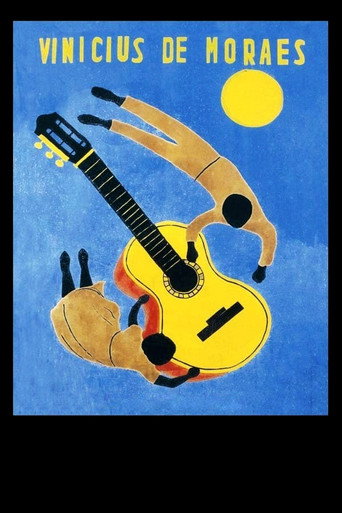
Vinicius de Moraes
To celebrate the life and the work of a multifaceted creator – playwright, poet, partner of the most important names of Brazilian pop music and, above all, an enlightened character of the Brazilian cultural history - director Miguel Faria Jr. gathered an incomparable cast of partners, singers, friends and rare images from the archives recalling Vinícius’ genial simplicity, with the spontaneity, the humor, and the freedom of a person chatting over a bar table, exactly how the eternal Vinícius would enjoy.

Coisa Mais Linda - Histórias e Casos da Bossa Nova
Documentary about the birth of bossa-nova, in Brazil, and the major stars of this musical style.

The Girl from Ipanema
Chronicles the life of a 17 year-old girl living in the upper-class Rio de Janeiro neighbourhood of Ipanema. Márcia lives a life of parties and spend her days among bohemians, musicians and intellectuals. While seeming happy in the outside, she's extremely anguished inside. Based on the famous song by Antonio Carlos Jobim and Vinicius de Moraes.

Memórias do Grupo Opinião
Follows the story of Opinião, a theatre group created in 1964 during the early Brazilian dictatorship period to oppose the government through artistic performances. Considered the first left-wing response to the dictatorship, the group gathered now famous Brazilian artists such as Nara Leão, Maria Bethânia, João do Vale and Millôr Fernandes.
Mar Corrente
Helena, married to decorator Bruno, is a woman dissatisfied with the futility of social life. She rekindles her relationship with her former boyfriend, Clóvis, and discovers how difficult the struggle for happiness is by seeing the example of the less fortunate. After saving herself from the rough seas on the beach, Helena finds herself possessed by a mystical fear. On New Year's Eve, while the people celebrate Iemanjá, Helena and Bruno throw a lavish party. Their employee, Luiz, is arrested as a suspect in the death of a woman found on the beach. Having a disagreement with her husband, Helena leaves the party and throws herself into the sea. She is saved by Umbanda followers and welcomed by Bruno, who tries in vain to comfort her.
Production
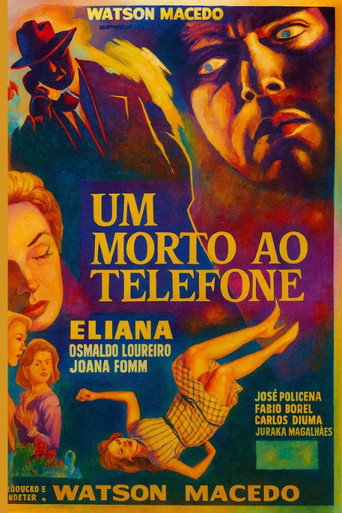
The Dead at the Phone
This story begins with Marcelo's funeral. His family, his fiancée Lúcia and three suspicious men are the only people accompanying the coffin. By night, at home, Rosa, Ricardo and Lúcia notice something strange: Marcelo's room has been completely ransacked. Suddenly, the phone rings. Rosa answers and hears the voice of her son who had just died. The shock is too strong for the poor lady, who dies of a syncope. To understand these sinister events, we have to go back three days...
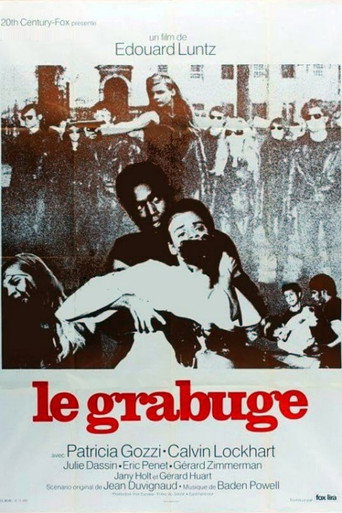
Hung Up
A woman from a bourgeois family marries a loveless man. She remembers (or dreams?) a life of adventure and smuggling, hijacking ships at night. She is kidnapped by the leader of the enemy gang, with whom she falls in love.
Mar Corrente
Helena, married to decorator Bruno, is a woman dissatisfied with the futility of social life. She rekindles her relationship with her former boyfriend, Clóvis, and discovers how difficult the struggle for happiness is by seeing the example of the less fortunate. After saving herself from the rough seas on the beach, Helena finds herself possessed by a mystical fear. On New Year's Eve, while the people celebrate Iemanjá, Helena and Bruno throw a lavish party. Their employee, Luiz, is arrested as a suspect in the death of a woman found on the beach. Having a disagreement with her husband, Helena leaves the party and throws herself into the sea. She is saved by Umbanda followers and welcomed by Bruno, who tries in vain to comfort her.
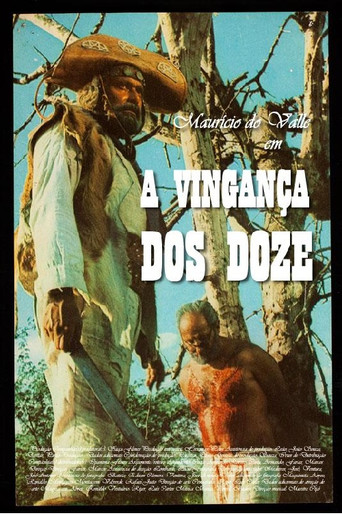
A Vingança dos Doze

Alcântara: Ghost Town
History and decadence of the city of Alcântara narrated through what remains of its buildings and ancient documents.

TransAtlantique
On the last voyage of the Italian ocean liner EUGENIO C. from Genoa to Rio de Janeiro, Zurich-based ethnologist Roger Wiedmer meets Brazilian Zaira Gelbert. He wants to repeat the journey to the Indians of the Amazon described by Claude Lévy-Strauss in "Tristes Tropiques" some forty years later and begins with the first chapter: "La fin des voyages." Zaira Gelbert returns to her roots in her homeland after a two-year stay in Europe. The love story between the two—which lasts the eleven days of the crossing—becomes a dialogue between two cultures. The encounter with Zaira opens Roger's eyes. Now he perceives the sea, the ship, and above all the passengers with their stories. He meets emigrants, poets, first-class passengers, tourists, crew members, priests. A stowaway is also traveling with them.
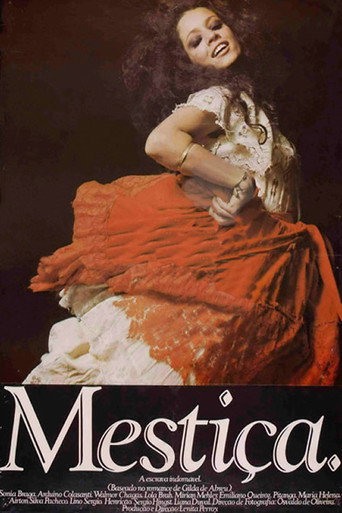
Mestiça, a Escrava Indomável
On a farm in rural Brazil in the 18th century, a new overseer arrives. He falls in love with one of the enslaved women, Mestiça, beloved by all the men. When a pair of silver earrings disappears from the farm and the overseer orders the leader of the enslaved women arrested, Mestiça decides to take revenge.
Gallery