Directing
No biography available.
Quasi-historical adventure movie based on the exploits of the 17th C. Maratha emperor Shivaji (Bhosle). A large part of the film is shot in a cave where where Shivaji meets the Subedar of Kalyan (Bhave). The film's dramatic highlight occurs when, inspecting stolen Mughal wealth, Shivaji suddenly confronts a fair maiden (Sultana) emerging from one of the crates full of treasure.
Ram Joshi is a Brahmin poet, who through his love of poetry and dance starts associating with the tamasha artists. He falls in love with the tamasha dancer Baya. The film follows his descent into acoholism and his redemption from it through poetry.
Directed by Baburao Painter.
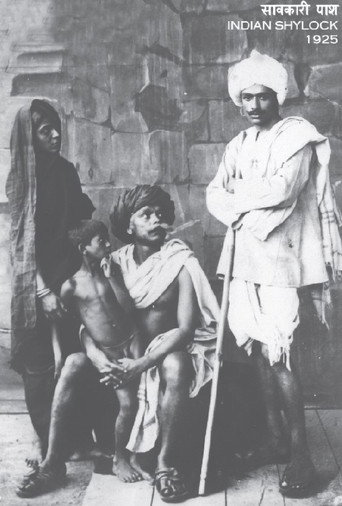
A social film with high melodrama, concerning a peasant (Shantaram) who loses his land to a greedy money-lender and moves to the city where he becomes a mill worker. Taking its cue from the realist tradition, the film counterposes an idyllic rural life (destroyed but the greedy money-lender who uses forged papers to steal the peasant's land) with the harsh city life. The shot of a hut accompanied by a howling dog are regarded as one of the most memorable moments of Indian cinema to date.
Ram Joshi, a Brahmin poet, discovers the arts, falls in love, descends into alcoholism, and eventually finds salvation through his poetry.
A film by Baburao Painter.
The demonic King Banasur, a devout disciple of Shiva, wants to eliminate Vishnu and his followers in the guise of Krishna, king of Dwarka and an incarnation of Vishnu. Krishna overcomes Banasur's designs by getting his daughter Usha to fall in love in with Aniruddha.
The story deals with a greedy moneylender who cheats the peasants of their money, forcing them to give up farming and take on jobs as mill-workers.