Béatrice Thiriet Movies, TV Shows, and Filmography
Béatrice Thiriet
Sound
Biography
No biography available.
Filmography Movies
Acting

Tuschinski's Dream
After 50 years of exile, an old man comes back to the cinema of his childhood. The Tuschinski Theater of Amsterdam was born from a foolish dream; the one of Abraham Icek Tuschinski who has left his shtetl from Poland, and settles in Rotterdam where he opens a canteen to welcome Jewish immigrants. He then opens three little cinema halls that become a fast success and that’s how he decides to built a real cathedral like cinema hall. Real Art Deco palace inaugurated in October 1920, the Tuschinski encounters a meteoric success. During 20 years of a brilliant activity and despite the rise of intolerance in the Netherlands, Abraham Tuschinski believes in his dream. And, though weakened by financial difficulties, Tuschinski will never give up his dream. It will be the Nazis, invading the Netherlands, organizing the deporting of Jews and despoiling the properties, that will make Tuschinski’s dream turning into a nightmare.
Production
Still Waters Run Deep
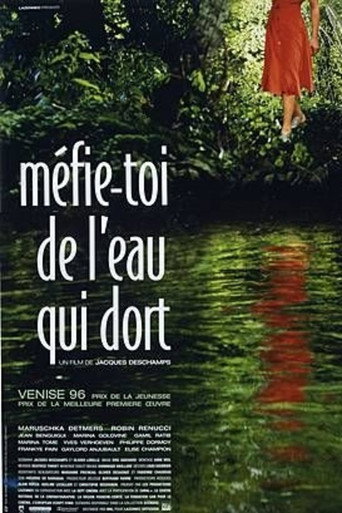
Despite his lifelong efforts, Jean is one of those unfortunate men who can never understand women. This arty, metaphorical French film presents three examples of Jean's difficulties over the course of his long life. Each of the three episodes takes place beside the same river. He is first seen as a small boy playing on the river banks with the teenage girl he secretly loves. She mischievously promises to tell him her darkest secret if only he will perform a certain task for her. The story then takes a more surreal turn as a now-grown Jean, once again beside the river, toys with a beautiful woman at a picnic. She wants a commitment from him, but wily Jean is unwilling to satisfy her. In the final segment, Jean has become an old man and is once again deeply in love.
Lady Chatterley
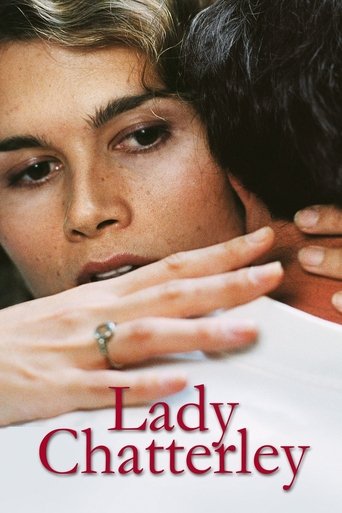
After a crippling injury leaves her husband impotent, Lady Chatterly is torn between her love for her husband and her physical desires. With her husband's consent, she seeks out other means of fulfilling her needs.
Qissa: The Tale of a Lonely Ghost
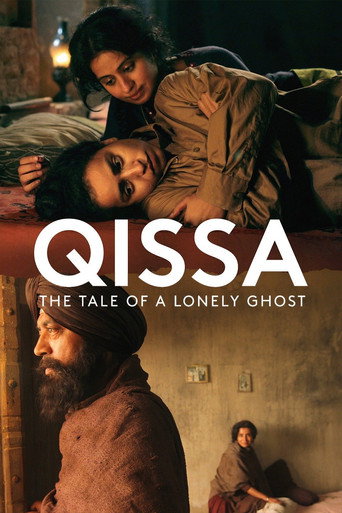
Set in post-colonial India, Qissa tells the story of Umber Singh, a Sikh who is forced to flee his village due to ethnic cleansing at the time of partition in 1947. Umber decides to fight fate and builds a new home for his family. When Umber marries his youngest child Kanwar to Neeli, a girl of lower caste, the family is faced with the truth of their identities; as individual ambitions and destinies collide in a struggle with eternity.
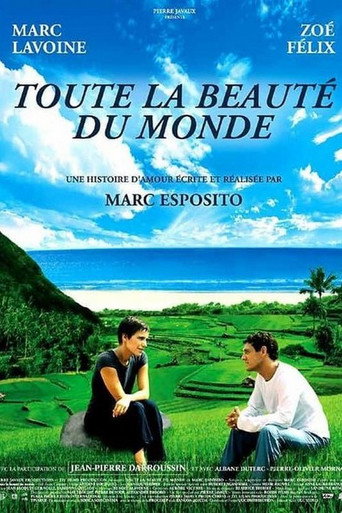
All the Beauty of the World
This is the story of Franck and Tina. Franck loves Tina, but she can't love him. The man of her life has just died and she's having a nervous breakdown. During a journey to Asia, where Tina attempts rediscover her zest for life, Franck gradually becomes indispensable as a guide, traveling companion and, soon, friend... Will Tina eventually fall in love with him?
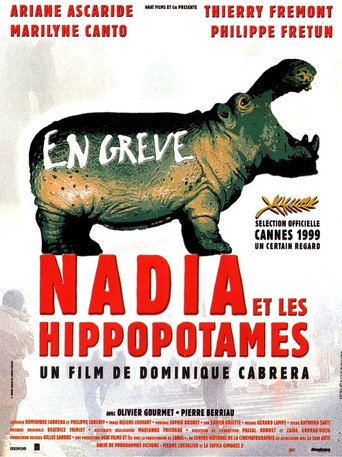
Nadia and the Hippos
Single mother Nadia is surviving on welfare while transport strikes are paralyzing France in December 1995. While watching the news, she recognizes the father of her child among the strikers and decides to go and search for him. But she has nowhere to go. The film, shot almost entirely at night, carries documentary qualities, part of which is due to the appearances of actual railroad workers in several group scenes.
A Very Animated War
From 1945 to 1989, after the capitulation of Nazi Germany, two rival ideologies, communism and capitalism, faced each other in a merciless battle. On one side of the Iron Curtain and on the other, throughout the Cold War, the USSR and the United States sought to shape children’s imaginations through their magazines and films. Never in the history of mankind have so many comic books been published and so many cartoons produced for young people. In November 1989, communism collapsed with the Berlin Wall; capitalism was left to decide the future of the world. What if this victory had been prepared for a long time, and our thinking conditioned, from our early childhood, to ensure this absolute triumph?
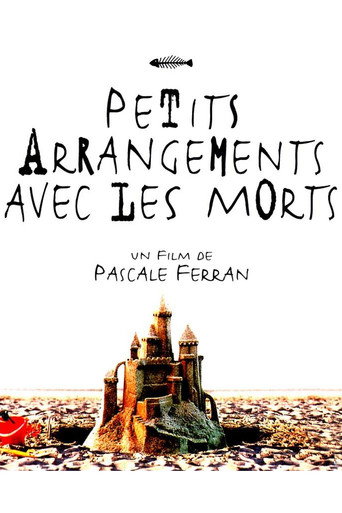
Coming to Terms with the Dead
It’s summer, on the beach of this little town in Brittany, a man is building a sand castle. A few people watch him. We will be told the story of three of them: a boy, Jumbo, aged 9; François and his sister Zaza. All of them had to deal with the death of somebody they cherished.
Tuschinski's Dream
After 50 years of exile, an old man comes back to the cinema of his childhood. The Tuschinski Theater of Amsterdam was born from a foolish dream; the one of Abraham Icek Tuschinski who has left his shtetl from Poland, and settles in Rotterdam where he opens a canteen to welcome Jewish immigrants. He then opens three little cinema halls that become a fast success and that’s how he decides to built a real cathedral like cinema hall. Real Art Deco palace inaugurated in October 1920, the Tuschinski encounters a meteoric success. During 20 years of a brilliant activity and despite the rise of intolerance in the Netherlands, Abraham Tuschinski believes in his dream. And, though weakened by financial difficulties, Tuschinski will never give up his dream. It will be the Nazis, invading the Netherlands, organizing the deporting of Jews and despoiling the properties, that will make Tuschinski’s dream turning into a nightmare.
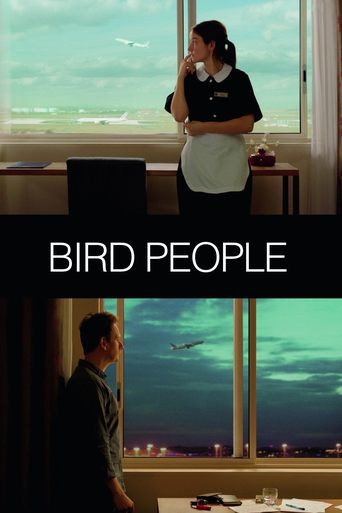
Bird People
An overstressed American businessman and a French chambermaid make a connection at an airport hotel in Paris.
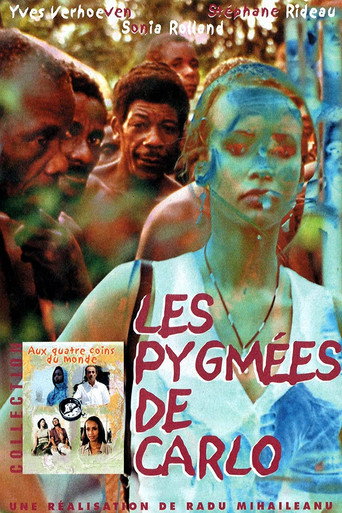
Les pygmées de Carlo
Carlo Ercole, a maestro of Italian cinema, asks his assistants to depart immediately for the Central African rainforest to find some Pygmies, "the incarnation of life", for the film he plans to shoot in Paris. Hardly cut out for such an adventure, Marc and Olivier are thrown into the maelstrom of a major African city. With the help of their beautiful guide, Désirée, they eventually make it into the equatorial rainforest, headed for a Pygmy Utopia.