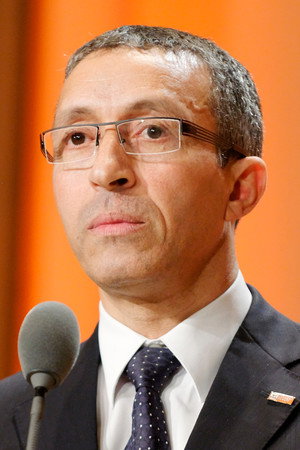
Azouz Begag Movies, TV Shows, and Filmography
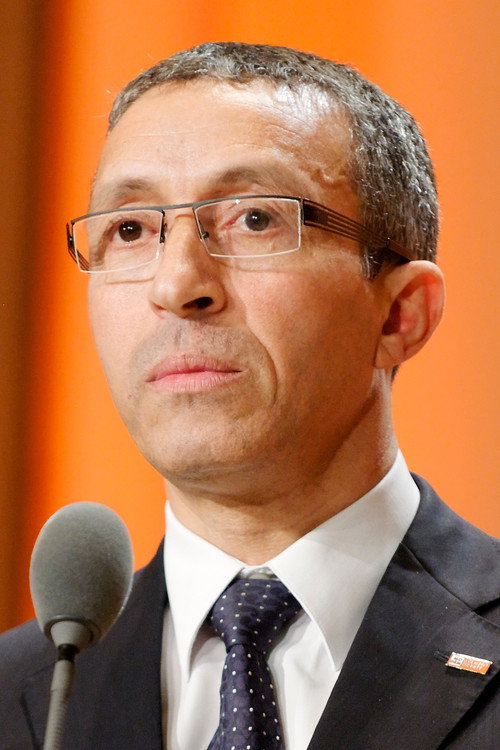
Azouz Begag
Writing
Biography
Azouz Begag (Arabic: عزوز بقاق) (born 5 February 1957) is a French writer, politician and researcher in economics and sociology at the CNRS. He was the delegate minister for equal opportunities of France in the government of French Prime Minister Dominique de Villepin (Union for a Popular Movement, UMP) till 5 April 2007. He resigned to support the moderate centrist candidate François Bayrou, one of the two UMP ministers to do so. Before becoming minister, Begag was decorated and made Chevalier de l’Ordre national du Mérite and Knight of the Legion of Honor. Begag is the son of Algerian parents who arrived in France in 1949. In his teens, he qualified as an electrician. He grew up in a shanty town outside Lyon, "les bas quartiers", before the family progressed to a tower block in the Cité de la Duchère. Begag is the father of two daughters. He is divorced from his wife. Begag has a doctorate in Economics from Lumière University Lyon 2. He has combined the functions of researcher in economy at the CNRS and at the Maison des sciences sociales et humaines of Lyon since 1980 and the one of professor at the École Centrale de Lyon. A visiting professor in Spring 2002 at the Winthrop-King Institute for Contemporary French and Francophone Studies at Florida State University, Begag was later made a honorary professor. In addition, he was a visiting professor at Cornell University in New York for one year. Begag's academic career, culminating in his place as a researcher at the CNRS, as well as his political career to date, have also centered around the problems of unequal opportunity for those brought up in industrial suburbs and ghettos. In his account in 2007 of his two years as minister, The Sheep in the Bathtub, he describes his research work as that of a sociologist. Begag has written approximately 20 literary books for adults and children, as well as songs. Furthermore, he is the scriptwriter of the French movie Camping à la ferme ("Camping at the farm"), where he exposed his vision of "three levels of riches" multiculturalism in today's French society: the advantages of its relatively new multiethnicity due to a new non-European immigration mixed with the basis of its historical and natural multiculturality whether coming from the riches of its several regional cultures and languages or from the successful integration of previous waves of European immigration during its history. ... Source: Article "Azouz Begag" from Wikipedia in English, licensed under CC-BY-SA 3.0.
Filmography Movies
Acting
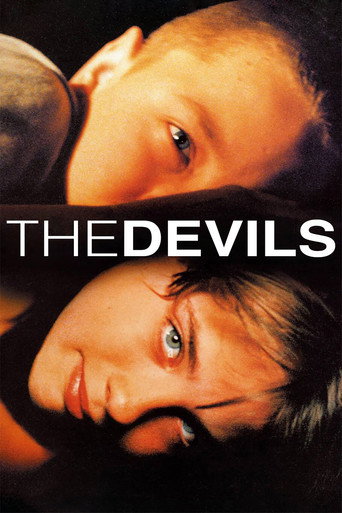
The Devils
The story of the struggle of an autistic girl and her brother trying to survive without their parents.
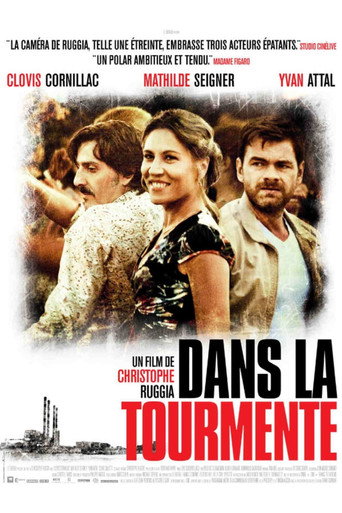
Dans la tourmente
Dans la région de Marseille, un patron prépare à l’insu de ses ouvriers la délocalisation de son usine, couplée d’un détournement de 2 millions d’euros. Franck, l’un de ses salariés l’apprend et, sans en parler à sa femme Hélène, décide avec Max, son ami de toujours, de passer à l’action...

Candidats pour du beur ?
Looking back at the history of the struggle for true equality, we follow the daughters and sons of immigrant workers who have been nominated as candidates representing "diversity" in various election campaigns since the 2007 presidential election. On the ground, through meetings, debates, and more "intimate" encounters with candidates and actors from past struggles, a great diversity of thought emerges. But they all have the same goal: not to be just "candidates for Beurs." With many activists from working-class neighborhoods, from Clichy-sous-Bois to Marseille, via Roubaix, and candidates Mouloud Aounit, Kamel Hamza, Faouzi Lamdaoui, Halima Boumedienne, Omar Slaouti, Samia Ghali, Karim Zeribi, Rama Yade, and others... Will these "new faces" of the Republic be in the picture when the votes are counted, or will they simply be "candidates for the Beurs"?
Production
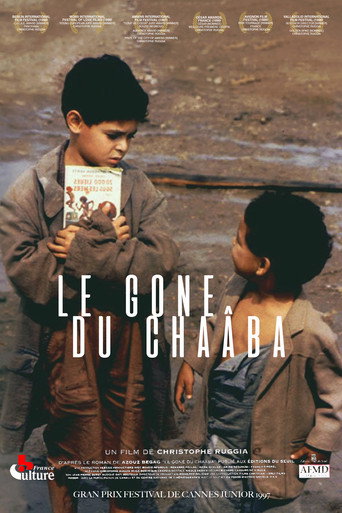
The Kid from Chaaba
Le Gone du Chaâba (The Kid of the Chaaba), translated into English as Shantytown Kid by Naima Wolf, is an autobiographical novel by Azouz Begag about his life as a young Algerian boy growing up in a shantytown next to Lyon, France, called the Chaâba by its inhabitants. The story covers a period of approximately three years in the life of the protagonist and deals with issues developing from the clash between two cultures, that of France and that of North Africa, as well as the difficulties of finding a cultural identity between the two. The story focuses on the cultural differences between the Arab and French communities, as well as how the two groups react to each other
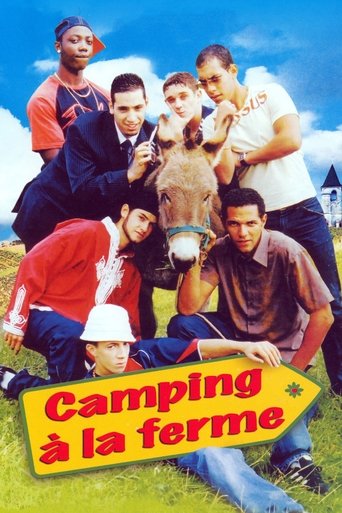
Camping à la ferme
Six jeunes en difficulté de la banlieue parisienne débarquent au fin fond de la campagne française, escortés par leur éducateur. Ils doivent montrer leur bonne volonté en effectuant des travaux d'intérêts généraux décidés par la pétillante juge d'application des peines, qui veut ainsi leur donner une dernière chance. Entre le portable vissé à l'oreille de l'un, le pit-bull de l'autre ou encore les prières musulmanes du troisième, ces adolescents vont bouleverser la vie paisible du petit village.
Gallery