Aykan Safoglu Movies, TV Shows, and Filmography
Aykan Safoglu
Directing
Biography
No biography available.
Filmography Movies

Production
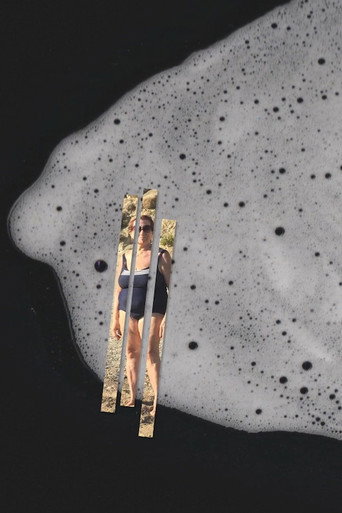
Dog Star Descending
Images and objects warp under the scrolling gaze of a scanner bed. Photographs, shredded and reassembled, spark reminiscences in the artist’s voiceover, which relates the intertwined stories of a family trip to the island of Imbros and of his education at a bilingual German-Turkish public school. The coiling timeline of present experience overlaps with other stories detailing the complex intersection of these two cultures, and of personal and intergenerational memories.
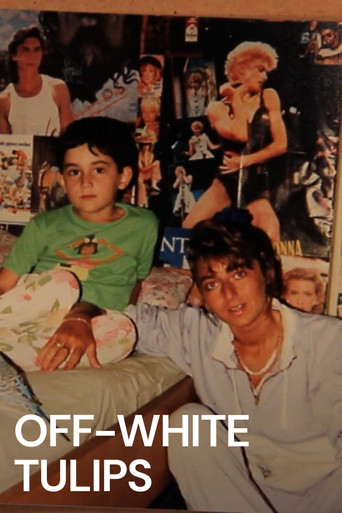
Off-White Tulips
Concentrating on James Baldwin's extended stays in Istanbul in 60's and 70's, the film explores the limits of an autobiography mostly relying on found materials such as Sedat Pakay's photography. Racism, transnational discourses, queer politics and appropriation art are also being investigated throughout the video-essay. Off-white Tulips is conceived as a fictional dialogue with James Baldwin that focuses on his prolonged stay in Istanbul. Found documents and re-signified objects are manipulated to layer Baldwin’s identity as a black gay author with the narrator’s personal history. The associative narrative extends with references to Turkish and American pop-icons, investigations into etymology and self-reflexive comments on visual representation towards a situated critique of racism.
Touching Feeling
Aykan Safoğlu takes his artistic friendship with Nihad Nino Pušija as the point of departure for Touching Feeling. Their friendship began in 2014 in the nGbK, an artists’ association in Berlin, where Pušija has been active since the 1990s as an artist, curator, activist, and photographer. Pušija has been recording the world around him for years with his camera: queer life in Kreuzberg, the life of the Romani in the former Yugoslavia and in German refugee shelters; everyday occurrences, but also scenes of flight and migration. Pušija’s photographs form the basis for the film; mark by mark, Safoğlu uncovers them on the black screen. The scratches on the picture’s surface turn into contours and fragments: prompting Safoğlu’s reflection on his role as observer, the defiant beauty of everyday life, and the terrible rupture that war and destruction left in their trail in the 1990s across the Balkans.