Acting
No biography available.
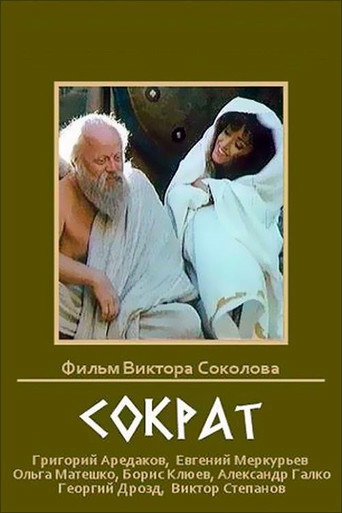
The long-term war with Sparta ends. The power and prosperity of Athens has sunk into the past; in an atmosphere of general despair and irritation, democracy, tyranny, and oligarchy replace each other. Against this background, the last, tragic period of Socrates’ life takes place.
Focuses on the lives of two married Polish couples (one Jewish, one Catholic) and the personal and social devastation wrought by the Holocaust and its aftermath.
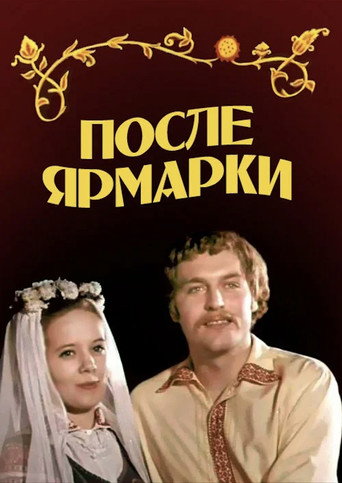
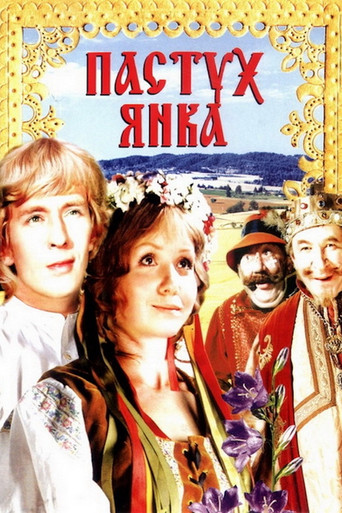
A young shepherd Yanka tries to save his beloved girl Marinka with the help of his magic fife.
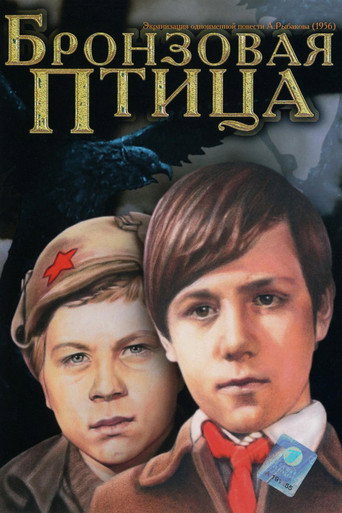
Three friends in a summer camp are looking for a treasure hidden in a old mansion.
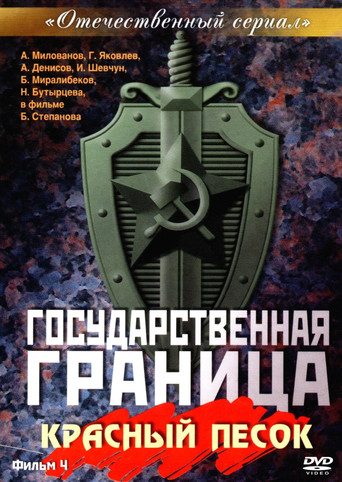
The head of the border detachment Gamayun arrives in Turkestan to destroy the last large formation of the Basmachi - the gang of Mumin Bek.
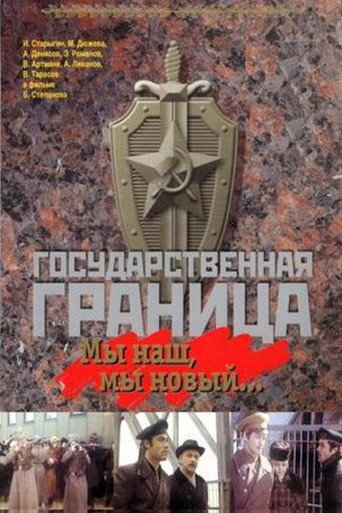
A former officer of the Separate Border Guard Corps accepts an offer to head the customs service of the young Soviet state.
Alexey Kontsevoy, a sailor, comes to his village on vacation and finds out that a wonderful girl, Alyona Sinevets, is going to marry a visiting loafer, Venya. Having found out that Venya has a family in Murmansk, Lech decides to disrupt the wedding...
A Few Amusing Episodes from the Life of the Village of Golodranka One day, a young peasant named Stepan lost his mare, who ran off pulling a cart full of hay. Stepan spent the whole day scouring the forest roads in search of her—only to find the stubborn beast calmly standing in his own yard. Furious, he swore to chop her to pieces with an axe. Another fellow, Artyom, ran away from home to escape his quarrelsome wife. He climbed down into the deepest village well and flatly refused to come out until his wife swore never to scold or hit him again. But what truly amused the villagers—both men and women—was Roman Sotsky’s antics. With a straight face, he assured a frightened constable that the strange man who had appeared in the village was "clearly a pure-blooded Sicilist."
The plot centers on the people who began to form underground groups from the very first days of the occupation of Minsk: oil engineer Isa Kazinets, soldier Ivan Kabushkin, student journalist Vladimir Omelianuk, medical professor Yevgeny Klumov, party and Soviet worker Sergey Blagorazumov, and others. Their main weapon was their hatred of the occupiers. Soon, the underground fighters managed to establish contact with the partisans, and they began to plan joint operations.