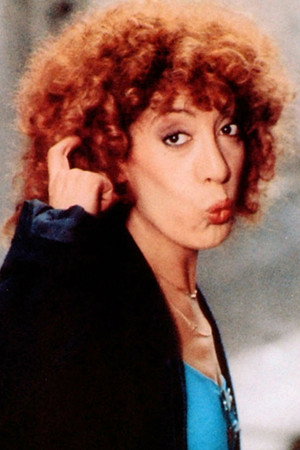
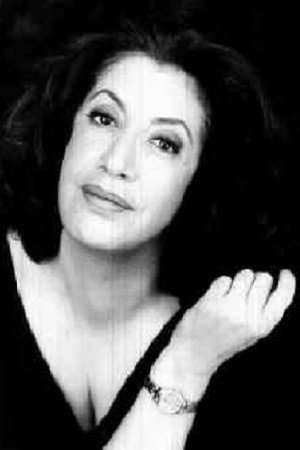
Athina Cenci Movies, TV Shows, and Filmography
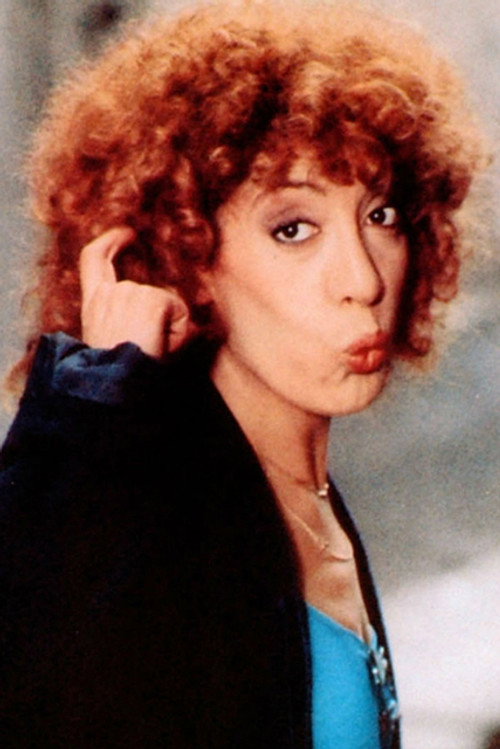
Athina Cenci
Acting
Biography
Greca di nascita, ma pratese di adozione, ha esordito nello spettacolo in compagnia di Alessandro Benvenuti e Paolo Nativi nella prima formazione del trio cabarettistico dei Giancattivi, all'interno degli spazi culturali del Teatro Metastasio di Prato. La trasmissione televisiva che li consacrò al successo popolare fu Non stop diretta da Enzo Trapani, nella quale i Giancattivi si esibivano a fianco del trio napoletano de La Smorfia, di Massimo Troisi Lello Arena Enzo Decaro, Zuzzurro e Gaspare e di molti altri giovani comici che avrebbero calcato le scene cinematografiche, teatrali e televisive negli anni successivi. L'esordio al cinema avvenne nel 1982 sotto la direzione di Alessandro Benvenuti in Ad ovest di Paperino, un film in cui Athina Cenci, assieme ai due compagni di sempre, dava libero sfogo alla sua comicità surreale, intervallata a momenti di una pur blanda analisi sociale. Le sue due prove cinematografiche più mature sono state però senz'altro in Speriamo che sia femmina (1986), per la regia di Mario Monicelli e Compagni di scuola (1988) di Carlo Verdone. L'interpretazione di queste pellicole le è valsa, in entrambi i casi, l'assegnazione del David di Donatello quale miglior attrice non protagonista. L'attività cinematografica (e televisiva) della Cenci è proseguita, pur se con alterne fortune, anche negli anni Novanta (Benvenuti in casa Gori, Ritorno a casa Gori e I miei più cari amici sempre di Alessandro Benvenuti e le serie TV Il coraggio di Anna e Il mastino, solo per ricordare le interpretazioni principali). La sua profonda capacità di mescolare i toni comici a quelli drammatici, la sua vena surreale sempre presente nei dialoghi e la sua chiara sensibilità a conformarsi ai dettati della regia, hanno fatto e fanno di Athina Cenci una delle migliori attrici che il cinema italiano contemporaneo abbia conosciuto. Nel 1999 è entrata a far parte del consiglio comunale di Firenze dopo le elezioni del 13 giugno, nelle file dei Democratici di Sinistra. Degna di nota anche la sua presenza sulle scene teatrali. Un discreto successo ha ottenuto la pièce teatrale La donna gigante di Lidia Ravera. Nel maggio 2001 è stata colpita da un ictus a Firenze, e a causa di questo è stata costretta ad abbandonare l'attività artistica e politica.
Filmography Movies
Acting
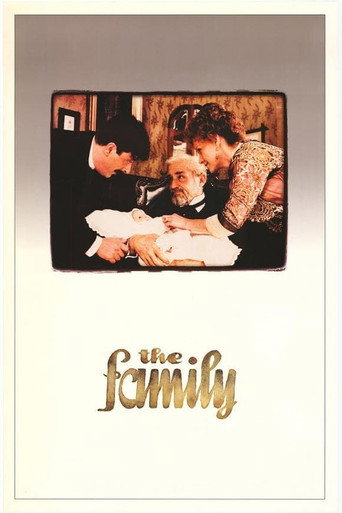
The Family
"The Family," an album with a velvet cover, is meant to touch the extended family of man. Formal portraits, bookends in this 80-year saga, enclose the central story, which opens with the baptism of Carlo, a baby in his grandfather's lap, and ends with Carlo as a grandfather with a baby in his arms. And never once do we get out of the house, whose rooms provide the film's structure. Comfort or passion? Carlo couldn't really decide until it was too late.
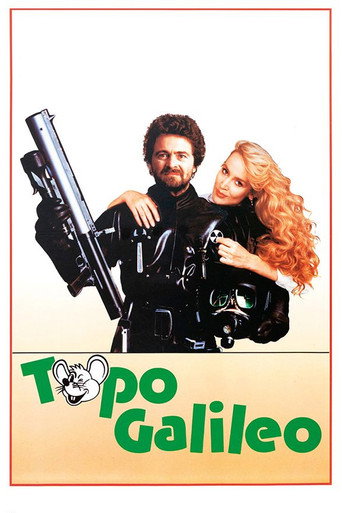
Topo Galileo
A pacifist pest controller tries to catch the rat infesting a nuclear power plant.
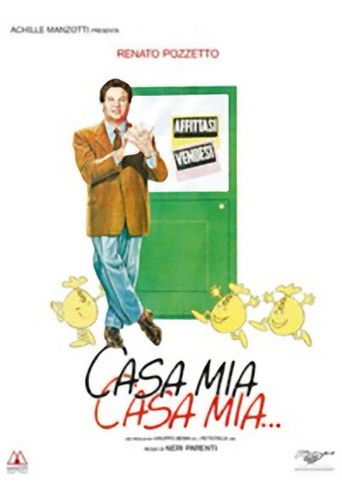
My House My House...
Bartoloni from Milan exchanges apartments with his colleague from Rome and moves toa new place. And everything could be good, if not unexpected trouble with which he will have to face ..
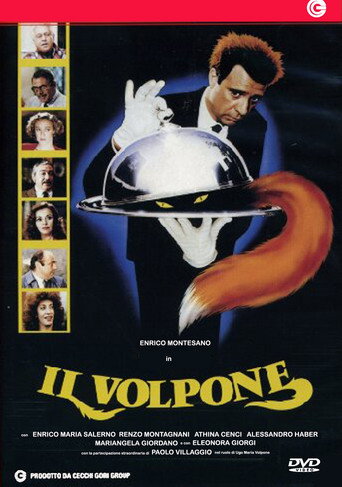
The Big Fox
Ugo Maria Volpone is a very rich shipowner. He dissimulates to be close to die in order to have the attention of three of his friends: Corvino, Voltore and Corbaccio. The three accepts every kind of humiliation and money loss in order to inherit all Volpone's fortune. Volpone hires a new servant, Mosca. Together the two start to realize new jokes and extortions to the three greedy fake friends. Who will win the inheritance?
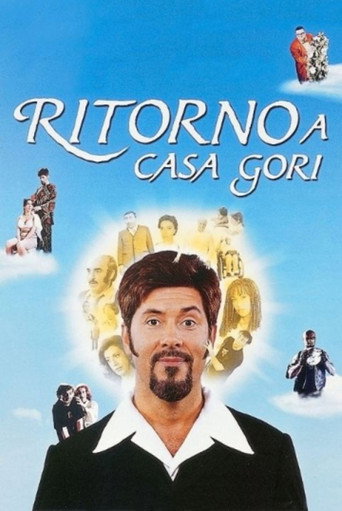
Ritorno a casa Gori
Matriarch Adele's death prompts an unexpected and often incendiary reunion for the large Gori family – unaware that inside her coffin lie also the stolen goods of a robbery by her son Danilo.
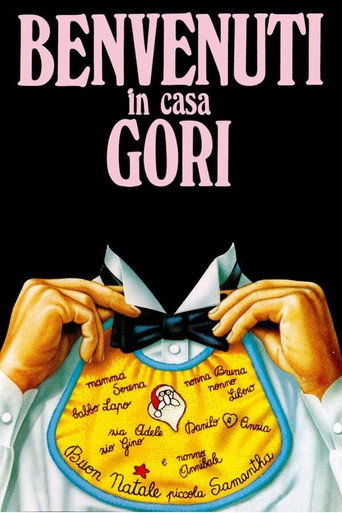
Benvenuti in casa Gori
The film is set in a house in a Tuscan landscape, has an ironic content and a Christmas frame. The film is divided into 5 episodes: The Family, The Lunch, Unexpected Pregnancy, The Videotape and Epilogue.
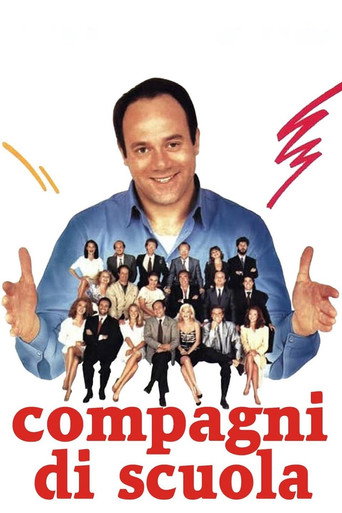
Compagni di scuola
A group of former high school classmates meets for a reunion 15 years after graduation, only to discover that any innocence or friendship is long lost.

Sweets from a Stranger
In Rome, a sadistic serial killer begins stalking and murdering sex workers, leaving the community terrified and the authorities struggling to stop the violence. After several attacks, four women—Lena, Angela, Nadine, and Stella—decide they can’t wait to be the next victims, and band together to protect each other and take a more active role in the search. As police pressure mounts and the women start digging for clues on their own, the hunt turns the city into a tense web of fear, rumors, and suspicion.
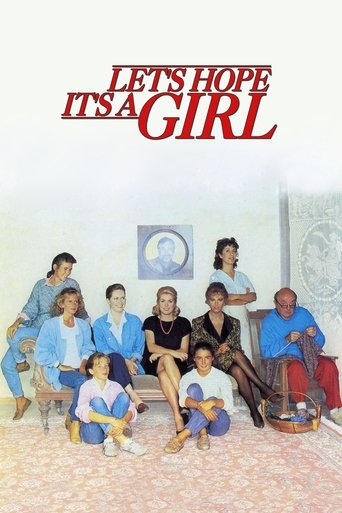
Let's Hope It's a Girl
A multifaceted exploration of the pointlessness of sexual stereotypes. Liv Ullmann is a countess who, after her divorce, takes over the family farm. Realizing that she can't rely on the patriarchal society structure for assistance, Ullmann runs the farm herself with the help of her female servants and relatives. When the Count (Philipe Noiret) comes back into her life, he and his male buddies find themselves outclassed by the expertise of the ladies.
Gallery