Asmae El Moudir Movies, TV Shows, and Filmography
Asmae El Moudir
Directing
Biography
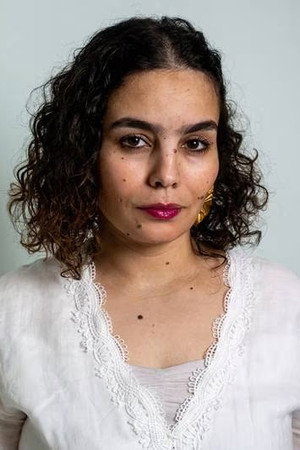
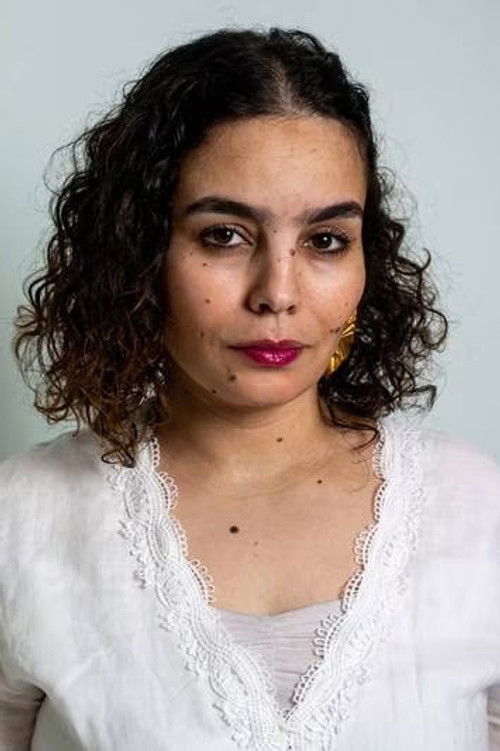
Asmae El Moudir (born 1981 in Salé) is a Moroccan documentary filmmaker. El Moudir holds a master's degree in documentary cinema from the Abdelmalek Essaâdi University in Tetouan, and a master's degree in production at the Superior Institute of Information and Communication of Rabat in Rabat. She studied at La Fémis in Paris. She graduated in 2010 from the Moroccan Film Academy in Film Directing / Fiction. After making a number of short films, El Moudir directed The Mother of All Lies (Le mensonge originel), her first feature film. The next year, she directed The Postcard, her first documentary feature film. She has directed documentaries for SNRT, Al Jazeera Documentary, BBC and Al Araby TV. She has won important national and international awards which have been screened in Festivals worldwide and presented on co-production markets. In 2022, she was part of Netflix Equity Fund with Four Female Arab Filmmakers.
Filmography Movies
Production
The Postcard
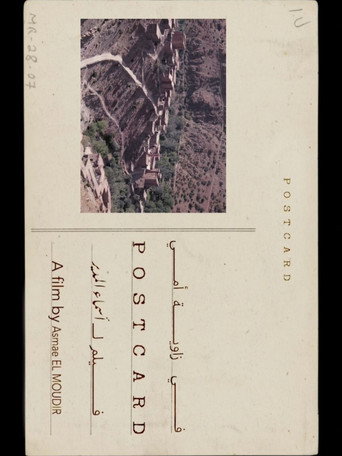
When director Asmae El Moudir finds an old picture postcard of a mountain village among her mother’s belongings, it brings a remarkable story to life. The picture is of Zawia, the village in Morocco that her mother left as a child and never returned to. El Moudir decides to go to this remote place. In Zawia, where time seems to have stood still, she embarks on a quest into her mother’s past, and thereby her own. She connects on a personal level with women and girls in the village; one of the young girls is Oum Elaid. The better El Moudir gets to know her and her family, the more she realizes how different her life would have been if her mother had stayed in the village. What begins as an intimate, personal journey in search of her family’s roots, evolves into a universal story about emancipation, migration, and the human longing to belong to a community.
The Mother of All Lies
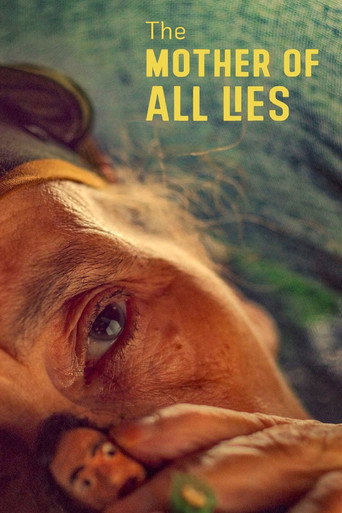
On a handmade set re-creating her Casablanca neighborhood, a young Moroccan filmmaker enlists family and friends to help unearth the troubling lies built into her childhood.
The Mother of All Lies
On a handmade set re-creating her Casablanca neighborhood, a young Moroccan filmmaker enlists family and friends to help unearth the troubling lies built into her childhood.
The Mother of All Lies
On a handmade set re-creating her Casablanca neighborhood, a young Moroccan filmmaker enlists family and friends to help unearth the troubling lies built into her childhood.
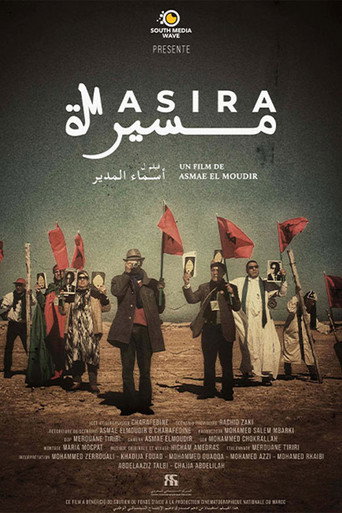
Masira
They had taken part in the glorious Green March in 1975. They had wanted to reach the town of Laâyoune. But their journey had stopped at the edge of the town of Tarfaya. 45 years later, they decided to take a trip back in time, during which reminiscences of their experiences resurface.
The Postcard
When director Asmae El Moudir finds an old picture postcard of a mountain village among her mother’s belongings, it brings a remarkable story to life. The picture is of Zawia, the village in Morocco that her mother left as a child and never returned to. El Moudir decides to go to this remote place. In Zawia, where time seems to have stood still, she embarks on a quest into her mother’s past, and thereby her own. She connects on a personal level with women and girls in the village; one of the young girls is Oum Elaid. The better El Moudir gets to know her and her family, the more she realizes how different her life would have been if her mother had stayed in the village. What begins as an intimate, personal journey in search of her family’s roots, evolves into a universal story about emancipation, migration, and the human longing to belong to a community.
The Postcard
When director Asmae El Moudir finds an old picture postcard of a mountain village among her mother’s belongings, it brings a remarkable story to life. The picture is of Zawia, the village in Morocco that her mother left as a child and never returned to. El Moudir decides to go to this remote place. In Zawia, where time seems to have stood still, she embarks on a quest into her mother’s past, and thereby her own. She connects on a personal level with women and girls in the village; one of the young girls is Oum Elaid. The better El Moudir gets to know her and her family, the more she realizes how different her life would have been if her mother had stayed in the village. What begins as an intimate, personal journey in search of her family’s roots, evolves into a universal story about emancipation, migration, and the human longing to belong to a community.
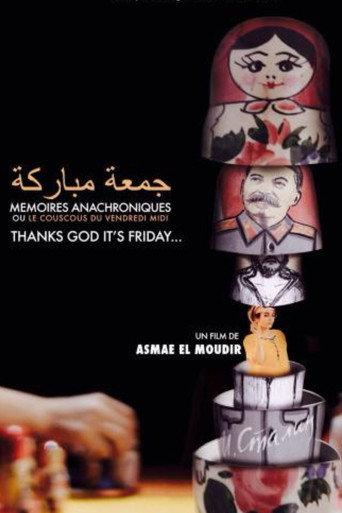
Thank God It's Friday
A young girl recalls the communal Friday family dinners, a time of tradition and airing of diverse opinions. Recalling the history of Morocco and those who tried in earnest to affect change, the experiential nature of the film allows for an interesting perspective on a common story and setting. This film is an allegory of memory: an erratic recollection of shared experiences, feelings, and thoughts that shape a coherent narrative.
The Mother of All Lies
On a handmade set re-creating her Casablanca neighborhood, a young Moroccan filmmaker enlists family and friends to help unearth the troubling lies built into her childhood.
Gallery