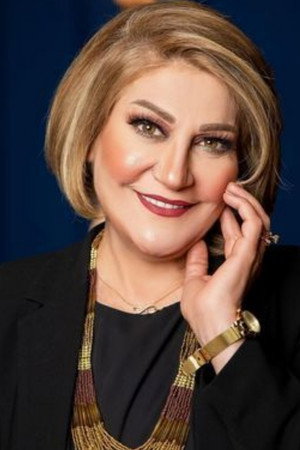
Asia Kamal Movies, TV Shows, and Filmography
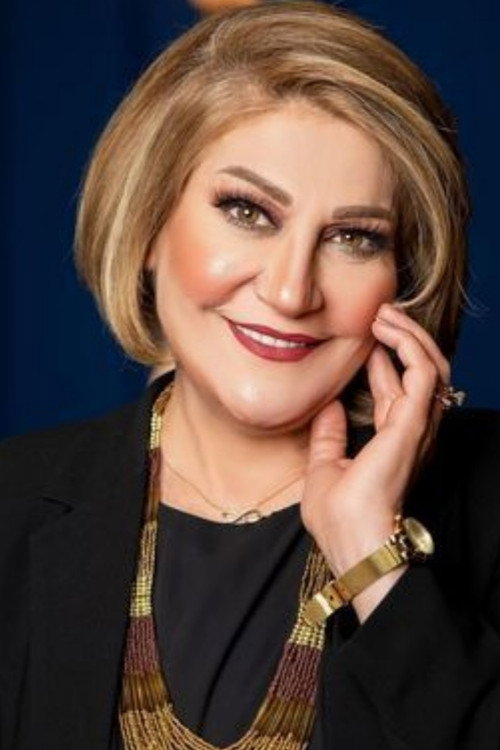
Asia Kamal
Acting
Biography
Asia Kamel was born in the 1960s. Her father was involved in politics, and was a member of the Kurdish party. He was artistically inclined due to the fact that he was a photographer. He worked in the government’s Department of Iraqi Dates. Asia’s mother, whose name is Sadiqa Mohamed Amin, worked as a make-up artist in the Public Institution of Cinema and Theater. She left that position and opened her own hair salon. Asia’s acting career began in school theater. She was still a student in middle school when she appeared on stage with Iraqi theater legends in the play “Gilgamesh," directed by Samy Abel Hamid. Afterwards, Asia’s drama teacher suggested that she act in TV drama. She began with the seven-part series The Absent Returns (1979), directed by Adel Taher. Asia’s acting career extended over three decades throughout which she was very successful. Of her most famous dramatic works include The Traveller, Wolves of the Night, Ice in the Time of Fire, The Depths of the Alleys, and Remnants of Love. She also appeared in 11 films and 13 plays. Her most famous stage performance was in The Height of Love, written by Felah Zaki and directed by Fadil Khalil, as well as in the play The Shrines of Abu Samra. She married the director Felah Zaki after the series The Traveller, which Zaki directed. Zaki and Asia had children together, but they got divorced. Asia then married writer and director Basil Shabeeb.
Filmography Movies
Acting
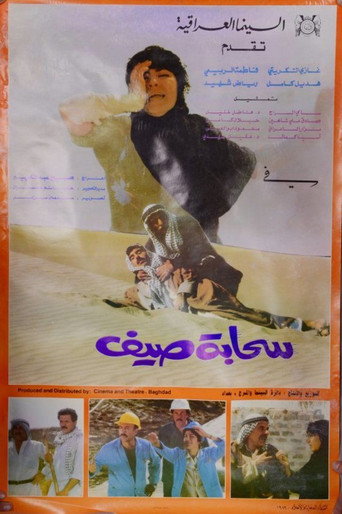
Summer Cloud
Ibrahim finds himself under intense nervous pressure as he seeks revenge for his father's murder by one of the sons of his village in a brawl that occurred between them. At the same time, a love relationship arises between him and the girl Ward, so he tries to persuade his family to forgive and distance themselves from bloodshed. On the other hand, Ibrahim tries to monitor what is happening in his work, dealing with theft and looting, attempting to rectify the situation in various ways.
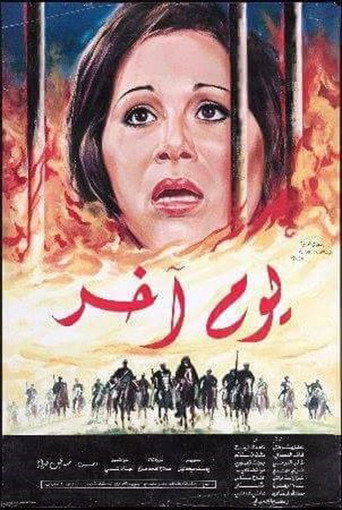
Another Day
Before the July 1958 revolution, Abu Saeed decides to incite the peasants to rebel against Sheikh Majid Al-Iqtai, who had burned their crops, exploited them, and enslaved them for many years. He succeeds in rallying the people's spirits against him.
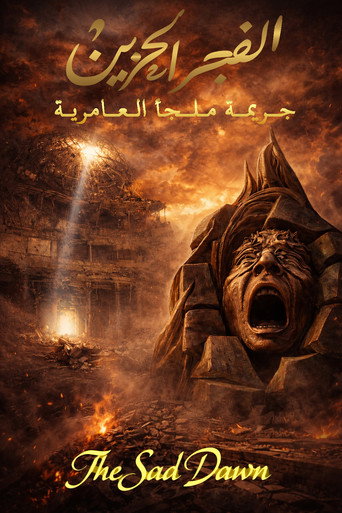
The Sad Dawn
Amidst the turmoil of the 1991 war, parents faced a harrowing choice: to protect their loved ones from bombs and missiles, they sought refuge in shelters. In Baghdad's Amiriyah shelter, 450 souls found solace, but tragedy struck at dawn when two US missiles, guided by precision, ravaged the sanctuary, leaving devastation in their wake. Desperate families waited outside, their hopes dashed as the reality of war's cruelty unfolded, leaving behind a dawn tainted with sorrow.
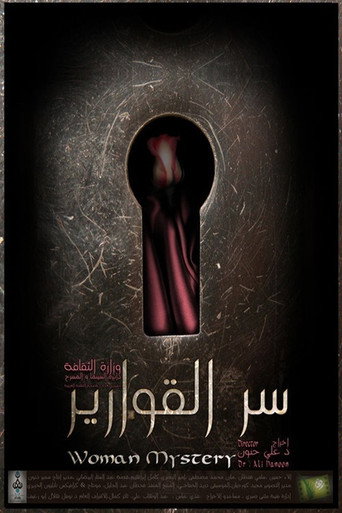
Woman Mystery
an Iraqi drama set in a rural village. The story follows a farming family whose life is disrupted when a corrupt city merchant exploits villagers, leading to the death of one of them. This pushes the young protagonist and his sister to confront the injustice and seek change using what he learned in the city. The film highlights themes of ignorance vs. education, tradition vs. modernity, and the strength and wisdom of rural women. It’s a social drama that reflects the struggles, values, and beauty of Iraqi village life.
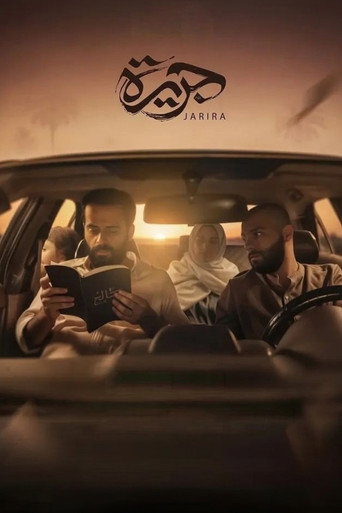
Jarira
Between the past and the present, and between decision and regret, there lies a thin thread called Jarira.
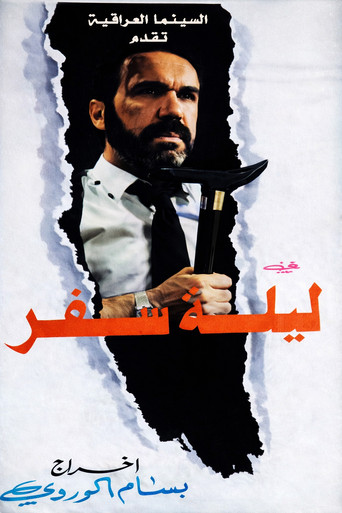
On a Travel Night
An Iraqi film about a woman trapped in an unhappy marriage to a husband consumed by delusions and suspicion. Seeking emotional refuge, she turns to those around her, hoping for compassion that might rescue her from her suffering, but in vain. Each person is burdened by their own struggles. Left with no one to rely on, she ultimately finds strength in asserting her identity and standing firm in who she is.
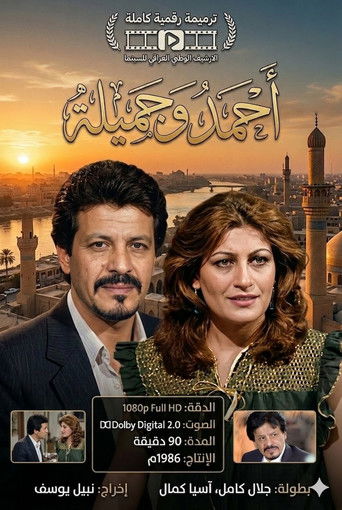
التمثيلية العراقية احمد و جميلة
تدور أحداث السهرة التلفزيونية حول قصة حب تجمع بين أحمد وجميلة، وتستعرض التحديات الاجتماعية والعاطفية التي تواجههما. الإطار الاجتماعي: تعكس التمثيلية واقع العائلة العراقية والتقاليد السائدة في تلك الفترة، وكيفية التعامل مع العلاقات الإنسانية والروابط الأسرية. الطابع الدرامي: يركز العمل على الحوارات العميقة والمشاعر الإنسانية الصادقة، وهو أسلوب اشتهرت به "التمثيليات" (الأفلام التلفزيونية ذات الحلقة الواحدة) في ذلك الوقت The television drama revolves around the love story of Ahmed and Jamila, showcasing the social and emotional challenges they face. The social context reflects the reality of Iraqi families and the prevailing traditions of that era, exploring how they navigated human relationships and familial bonds. The dramatic style emphasizes profound dialogue and genuine human emotion, a hallmark of the "television dramas" (one-episode television films) of that time.
حلم على الهامش
تتناول السهرة قصة اجتماعية إنسانية بلمسة كوميدية، تركز على حياة المهمشين في المجتمع وطموحاتهم البسيطة التي تصطدم بالواقع المعقد. يُعرف العمل بأدائه التمثيلي العالي، خاصة في تجسيد شخصية الشاب ذو الاحتياجات الخاصة (الذي أداه محمد حسين عبد الرحيم) وعلاقته بمحيطه. The show presents a social and human story with a comedic touch, focusing on the lives of marginalized members of society and their simple aspirations that clash with complex realities. The production is known for its high-caliber acting, particularly in the portrayal of the young man with special needs (played by Mohamed Hussein Abdel Rahim) and his relationships with those around him.
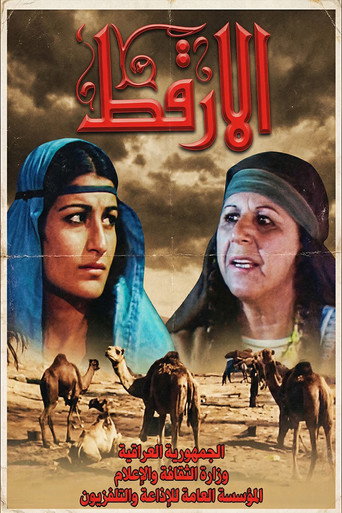
Speckled
A Bedouin love story set in the desert near Najaf.
Gallery