Asha Magrati Movies, TV Shows, and Filmography

Asha Magrati
Acting
Biography
Asha Magrati is a powerhouse of Nepali parallel cinema, distinguished by her dual career as a versatile actress and a socially conscious producer. She is widely recognized for portraying complex, grounded characters that challenge traditional gender roles, often collaborating with her husband, the acclaimed director Deepak Rauniyar. Magrati played a pivotal role in the internationally lauded film White Sun (Seto Surya) (2016), not only as a lead actress but also as a producer, helping the film secure its place at prestigious festivals like Venice and Toronto. Her performance in the film, which navigated the delicate tensions of post-war Nepal, earned her significant critical praise for its emotional depth and subtlety. Beyond her work in front of the camera, Magrati is a fierce advocate for inclusivity and authentic representation within the Nepali film industry. Her influence extends into the international sphere, having been involved in high-profile projects like the police thriller Pooja, Sir (2025), which premiered at the Venice Film Festival. In her personal life, her partnership with Rauniyar is seen as one of the most creatively formidable in the region, as they continue to push the boundaries of South Asian storytelling on the global stage.
Filmography Movies
Acting
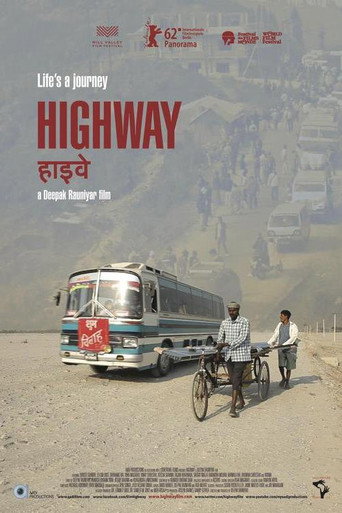
Highway
Five different relationship stories become connected during an ill-fated bus journey from eastern Nepal to the capital, Kathmandu.

Four Nights
Ram and Maya move thousands of miles from their home in Nepal in hopes of realizing their dream in New York City. As Ram works to finish his feature film, Maya receives a job offer that puts a strain on their relationship and calls into question what they are willing to sacrifice to maintain the lifestyle of international filmmakers.
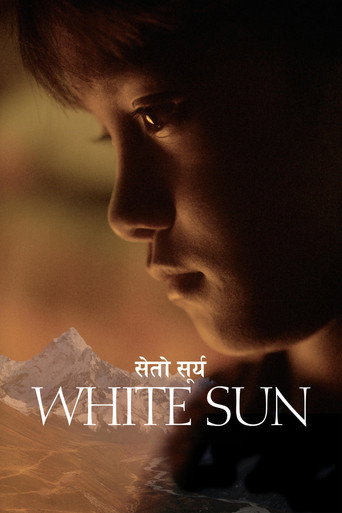
White Sun
Young Pooja lives with her mother in a village in Nepal. Though saddened by the death of her grandfather, she is secretly thrilled at the prospect of meeting the man she hopes may be her father — Chandra, a former Maoist guerrilla who is returning home after a decade-long civil conflict.
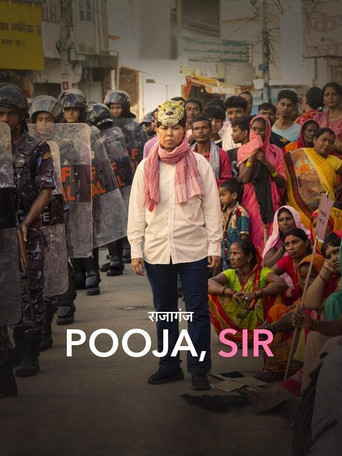
Pooja, Sir
When two boys are kidnapped in a border town in Nepal, Detective Inspector Pooja is sent from Kathmandu to solve the case. But when she arrives, the brewing political unrest and violent protests throw her off course, and she is forced to seek help from Mamata, a local Madhesi policewoman. By putting aside systemic discrimination and pushing through everyday misogyny, the women solve the case - but at what personal cost?
Production
Four Nights
Ram and Maya move thousands of miles from their home in Nepal in hopes of realizing their dream in New York City. As Ram works to finish his feature film, Maya receives a job offer that puts a strain on their relationship and calls into question what they are willing to sacrifice to maintain the lifestyle of international filmmakers.
White Sun
Young Pooja lives with her mother in a village in Nepal. Though saddened by the death of her grandfather, she is secretly thrilled at the prospect of meeting the man she hopes may be her father — Chandra, a former Maoist guerrilla who is returning home after a decade-long civil conflict.
Pooja, Sir
When two boys are kidnapped in a border town in Nepal, Detective Inspector Pooja is sent from Kathmandu to solve the case. But when she arrives, the brewing political unrest and violent protests throw her off course, and she is forced to seek help from Mamata, a local Madhesi policewoman. By putting aside systemic discrimination and pushing through everyday misogyny, the women solve the case - but at what personal cost?
Pooja, Sir
When two boys are kidnapped in a border town in Nepal, Detective Inspector Pooja is sent from Kathmandu to solve the case. But when she arrives, the brewing political unrest and violent protests throw her off course, and she is forced to seek help from Mamata, a local Madhesi policewoman. By putting aside systemic discrimination and pushing through everyday misogyny, the women solve the case - but at what personal cost?
Highway
Five different relationship stories become connected during an ill-fated bus journey from eastern Nepal to the capital, Kathmandu.
Gallery