Asghar Farhadi Movies, TV Shows, and Filmography

Asghar Farhadi
Directing
Biography
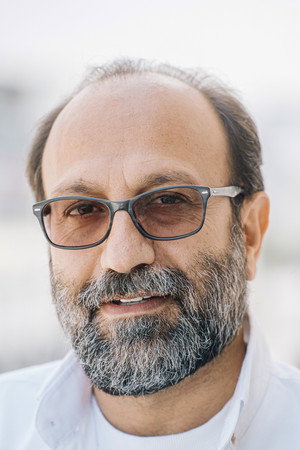
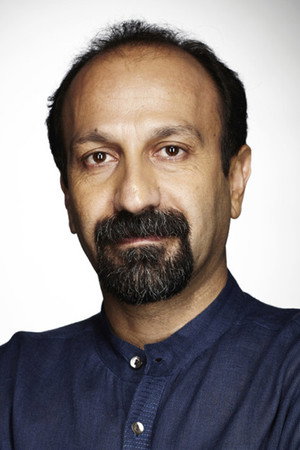
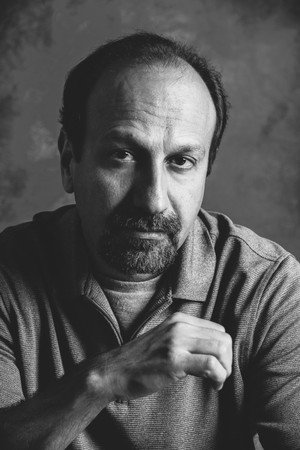
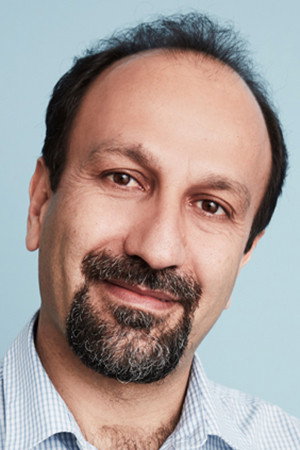
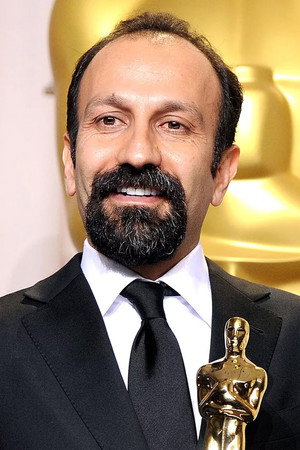
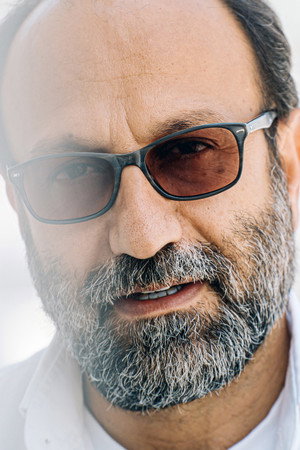
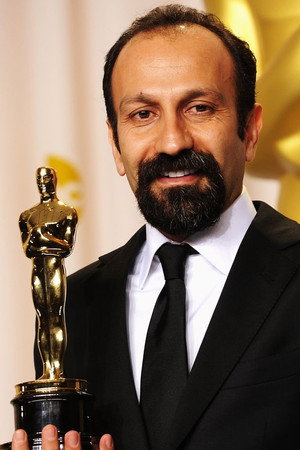
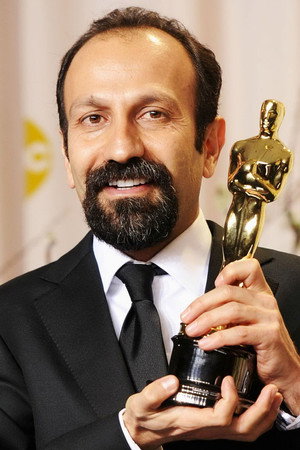
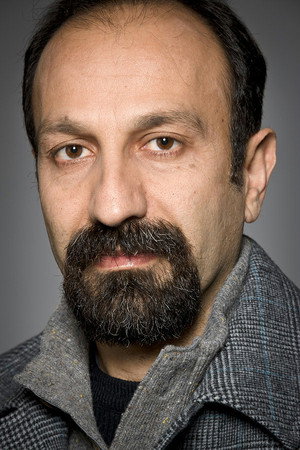
Asghar Farhadi (اصغر فرهادی) was born in 1972 in Iran. He became interested in cinema in his teenage years and started his filmmaking education by joining the Youth Cinema Society of Esfahan in 1986 where he made 8mm and 16mm short films. Asghar Farhadi received his Bachelors in Theater from University of Tehran's School of Dramatic Arts in 1998 and his Masters in Stage Direction from Tarbiat Modarres University a few years later. During these formative years, Farhadi made six shorts and two TV series for Iran's National Broadcasting Corporation (IRIB) of which "A Tale of a City" is most noteworthy. In 2001, Asghar Farhadi debute d in professional cinema by co-writing the script for Low Heights (2002) (Ertefae Past), a post-911 political farce chronicle of Southwest Iran, with famed war film director, Ebrahim Hatamikia. The film was met with both critical and public success. The following year, Asghar Farhadi made his directorial debut, Dancing in the Dust (2003) (Raghs dar Ghobar), about a man forced to divorce his wife and go hunting snakes in the desert in order to repay his debts to his in-laws. The film earned recognition at Fajr and Moscow International Film Festivals and a year later, Beautiful City (2004) (Shahr-e-Ziba), a grave work about a young man condemned to death at the age of sixteen, received awards from Fajr and Warsaw International Film Festivals. His third film, Fireworks Wednesday (2006) (Chaharshambe Soori), won the Gold Hugo at the 2006 Chicago International Film Festival. His fourth film, About Elly (2009) (Darbareye Elly) was called "a masterpiece" by film critic David Bordwell and won the Silver Bear for Best Director at 59th Berlin International Film Festival as well as Best Picture at Tribeca Film Festival. It was also Iran's official submission for the Foreign Language Film competition of Academy Awards in 2009. His most famous films, A Separation (2011) (Jodaeiye Nader az Simin) and The Salesman (2016), received both an oscar, many other major international awards and good critics all around the world.
Filmography Movies
Acting
Talking Heads 2021
The film was inspired by one of the most important documentaries shot by Krzysztof Kieślowski, Talking Heads (1980). The director asked his interlocutors seemingly simple questions, such as “Who are you?” and “What do you want?”.

Room 999
In 1982, Wim Wenders asked 16 of his fellow directors to speak on the future of cinema, resulting in the film Room 666. Now, 40 years later, in Cannes, director Lubna Playoust asks Wim Wenders himself and a new generation of filmmakers (James Gray, Rebecca Zlotowski, Claire Denis, Olivier Assayas, Nadav Lapid, Asghar Farhadi, Alice Rohrwacher and more) the same question: “is cinema a language about to get lost, an art about to die?”
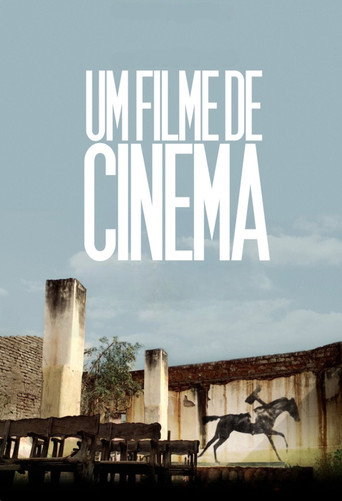
About Cinema
An abandoned tumbledown theater in the outback of Paraíba state is the initial setting of a film about cinema, which explores the testimonials of the novelist and playwright Ariano Suassuna and other filmmakers such as Ruy Guerra, Julio Bressane, Ken Loach, Andrzej Wajda, Karim Ainouz, José Padilha, Hector Babenco, Vilmos Zsigmond, Béla Tarr, Gus Van Sant and Jia Zhangke. They all respond to two basic questions: why do they make movies and why do they serve the seventh art. The filmmakers share their thoughts about time, narrative, rhythm, light, movement, the meaning of tragedy, the audience‘s desires and the boundaries with other forms of art.
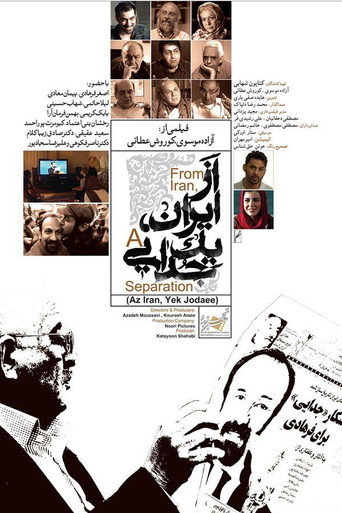
From Iran, a Separation
In March 2012, Iranian movie "A Separation" by Asghar Farhadi, won the Oscar Award for the Best Foreign Language Film. For the Iranian people this was more than a cinematic award. When sanctions and threats of war with Iran covered the world headlines, Farhadi talked about Iran's love for peace and the rich culture of the Iranians on the stage when receiving his award. This time the Iranians voice was heard through someone other than the government officials. This documentary shows the reaction of the Iranians to this Oscar award and has a general view on Iran's society of today.
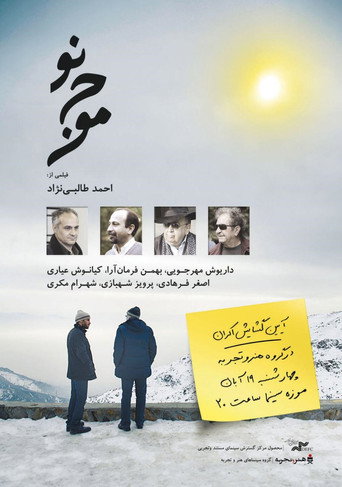
New Wave
A Documentary about the New Wave movement in Iranian cinema.
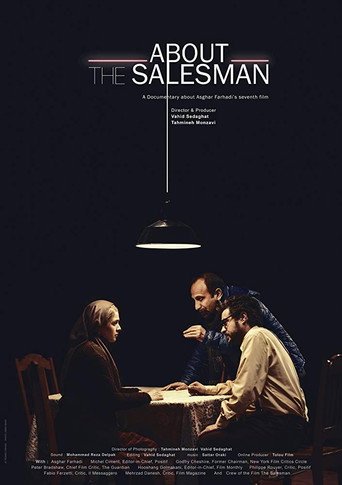
About The Salesman
The Salesman is Asghar Farhadi's seventh film that won two trophies for the Best Actor and Best Screenplay at Cannes Film Festival in 2016 and the academy award for the best Foreign Language Film in 2017. About The Salesman is a documentary about Farhadi's method of filmmaking: development, pre-production, production, and post-production, with interviews with Asghar Farhadi and the analysis of the renowned Iranian and international film critics about The Salesman and Farhadi's cinema.
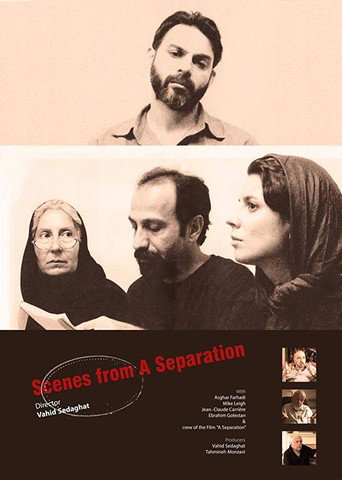
Scenes from A Separation
Documentary showing behind-the-scenes footage of the film 'Nader and Simin, A Separation'. Director Asghar Farhadi himself talks about his film and how the idea for it came about.
Cyclothymia of a Land
An original account of the 2015 Paris’ terror attack, Cyclothymia of a Land echoes the deep reasons of physical and psychological displacement. Emergencies, iniquity, propaganda, terrorism, war to terror, all inhabit an unusual journey into Tehran’s contemporary and precarious cityscape and an eerie and non-reassuring vegetation.
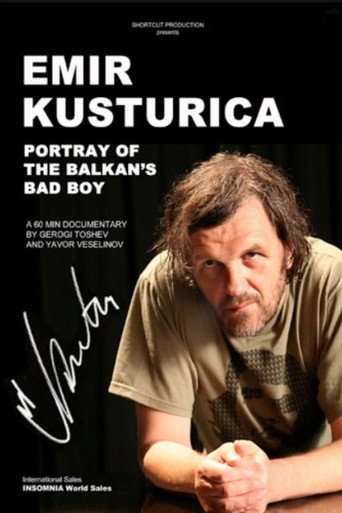
Kusturica - Balkan's Bad Boy
A film director, an actor, a musician, an organizer of festivals, a husband, a father, a grand-father, a friend, a professor... This film is an unexpected meeting with one of the most fascinating European film directors: Emir Kusturica. This is a journey to memory and forgetfulness. Beyond success, money, dependencies and pride. A deeper look into the world of Kusturica and his Wooden city at Mokra Gora. A tale about the won battles, as well as the lost ones. About the everlasting curiosity in filmmaking.
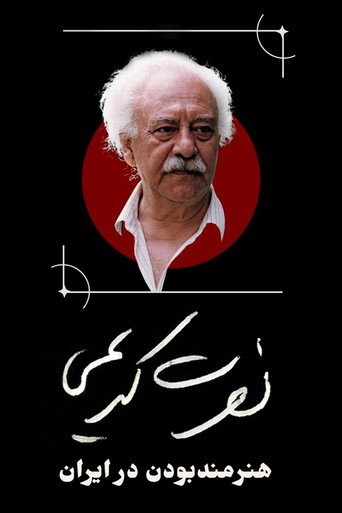
Nosrat Karimi, Being an Artist in Iran
This documentary series, spanning six feature-length films, explores the life and artistic journey of Nosratollah Karimi — an Iranian actor of theater and cinema, director, writer, sculptor, university professor, and gardener.
Production
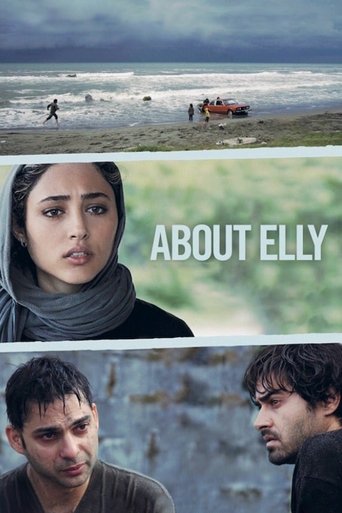
About Elly
The mysterious disappearance of a kindergarten teacher during a picnic in the north of Iran is followed by a series of misadventures for her fellow travelers.
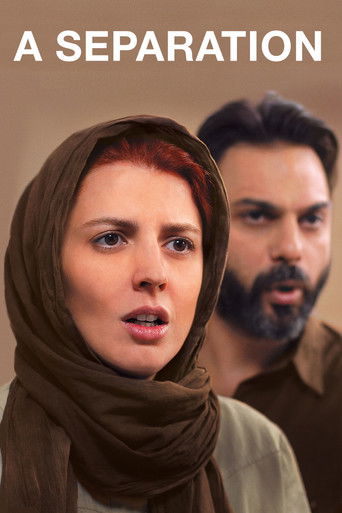
A Separation
A married couple are faced with a difficult decision - to improve the life of their child by moving to another country or to stay in Iran and look after a deteriorating parent who has Alzheimer's disease.
A Separation
A married couple are faced with a difficult decision - to improve the life of their child by moving to another country or to stay in Iran and look after a deteriorating parent who has Alzheimer's disease.
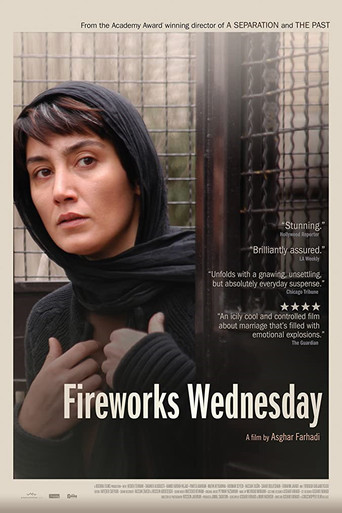
Fireworks Wednesday
Rouhi, a young bride-to-be, is hired as a maid for an affluent family in Tehran. Upon arriving, she is suddenly thrust into an explosive domestic conflict. The wife is convinced her husband is having an affair and enlists Rouhi as a spy, to follow her husband, and confirm her suspicions. What Rouhi discovers, however, threatens not only their marriage but her own future.
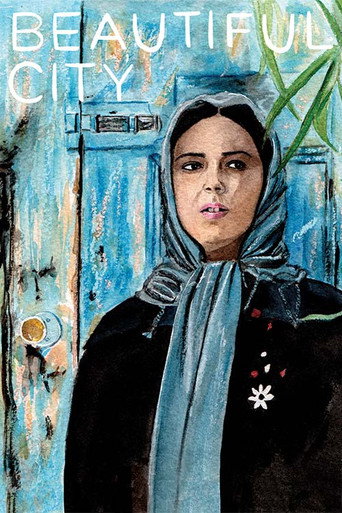
Beautiful City
Akbar, 18, has been held in a rehabilitation centre for committing murder at the age of sixteen. Now, Akbar is transferred to prison to await the day of his execution. A’la, a friend of Akbar, tries desperately to gain the consent of Akbar’s plaintiff so as to stop the execution.
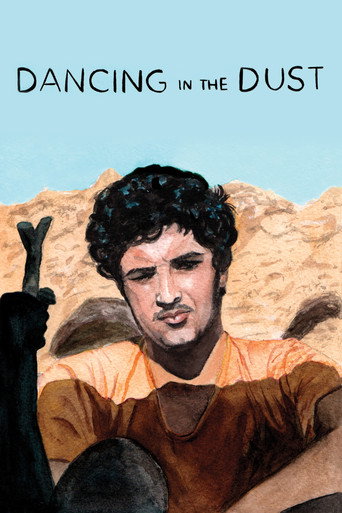
Dancing in the Dust
When forced to divorce his wife by family and social pressure because her mother is a prostitute, Nazar works double shifts to pay back the loan he took out for his impulsive wedding and to pay some ongoing restitution to his sweet jilted bride, Reyhaneh. When he falls behind in the payments he flees the police and ends up in the desert with an uncommunicative old man who catches poisonous snakes for their venom. These two are forced to coexist in the desert, because Nazar is unwilling to return to the city and wants to catch snakes to make enough money to settle his debts. His verbose, chattering annoys the reticent old man until Nazar's life is endangered.
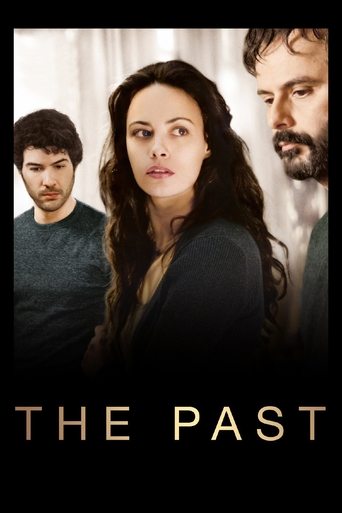
The Past
After four years apart, Ahmad returns to his wife Marie in Paris in order to progress their divorce. During his brief stay, he cannot help noticing the strained relationship between Marie and her daughter Lucie. As he attempts to improve matters between mother and daughter Ahmad unwittingly lifts the lid on a long buried secret...
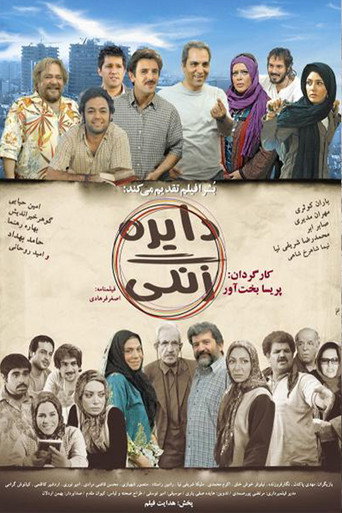
Tambourine
Mohammad is sent to an apartment situated in uptown Tehran to install their satellite dishes, while having satellite TV is illegal in Iran. He arrives there with a girl named Shirin who seems to be his girlfriend and is in need of some money to repair her father's car with which she has had an accident the day before. Each of the house's residents have their own fish to fry and they also want their satellites installed as soon as possible.
About Elly
The mysterious disappearance of a kindergarten teacher during a picnic in the north of Iran is followed by a series of misadventures for her fellow travelers.
About Elly
The mysterious disappearance of a kindergarten teacher during a picnic in the north of Iran is followed by a series of misadventures for her fellow travelers.
Gallery