Arvo Iho Movies, TV Shows, and Filmography
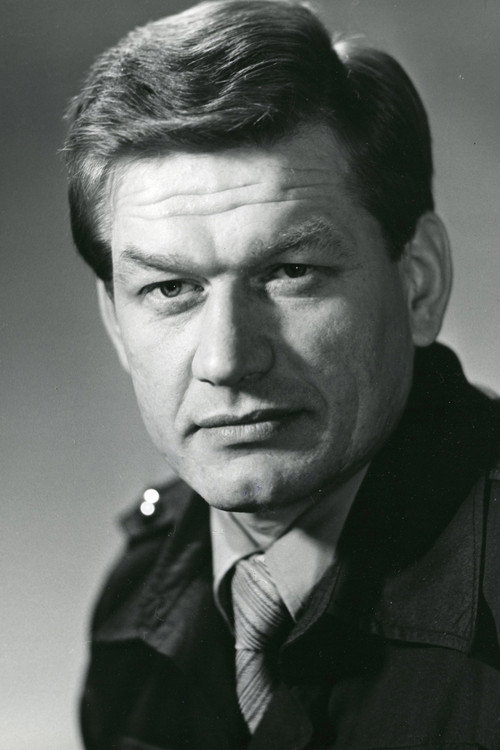
Arvo Iho
Directing
Biography
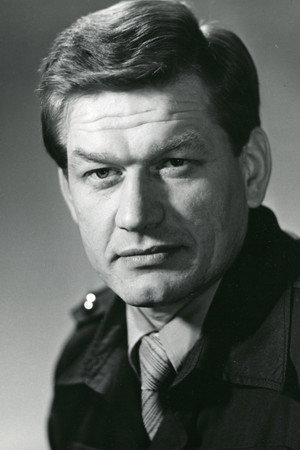
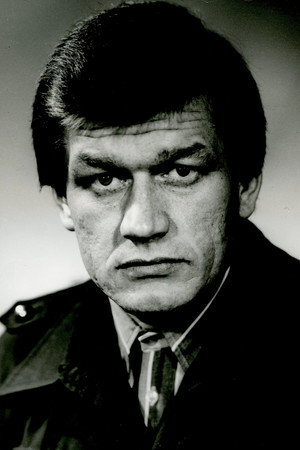
Arvo Iho (born June 21, 1949) is an Estonian film director, cinematographer, actor and photographer, who has worked in the areas of documentary and drama. Born in Rakvere, Iho worked as a photographer and assistant for Tallinnfilm before studying cinematography at the Gerasimov Institute of Cinematography. Iho acted as assistant director to Andrei Tarkovsky on the 1979 film Stalker. He went on to work as a cameraman for Tallinnfilm in the 1980s. In 1985, Iho co-directed the feature film Games for School–Age Children with Leida Laius, also acting as director of cinematography, and in 1987 made his solo directorial debut with The Birdwatcher, about the relationship between a poacher and an ornithologist. He followed this with Only for the Insane (1990). In 2001 he made The Heart of the Bear, based on the Nikolai Baturin novel, and in 2006 made Gooseberries. As a photographer, Iho has exhibited nationally and internationally. As of 2017, Iho was a professor at Tallinn University's Baltic Film and Media School.
Filmography Movies
Acting
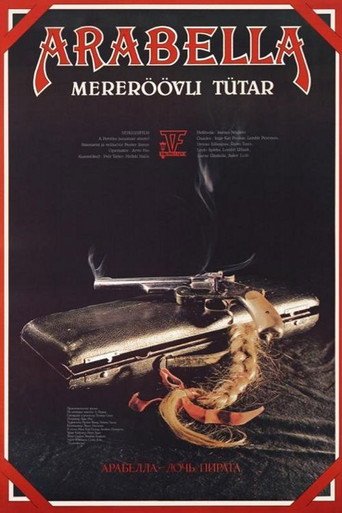
Arabella, the Pirate's Daughter
Arabella is a daughter of the world's most terrifying pirate captain. She loves her father but also dreams about a life of a usual girl. One day a weird stranger is saved from the sea who will be the only friend of Arabella. At the same time a rival pirate called Raudpats plans to kidnap the girl. Will she be safe and can she ever live a normal life?

Killing Tartu
Half the film was shot with a video camera taken from a television station without permission, the cast and staff were unpaid, and the script was written as a screenwriting class assignment.
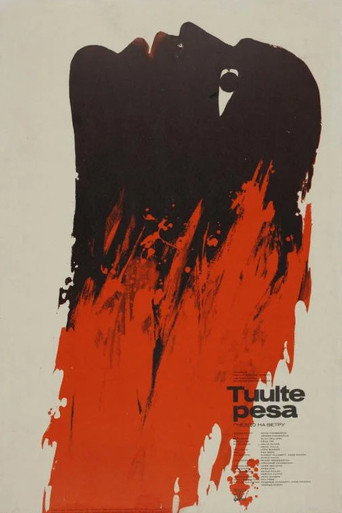
Nest of Winds
Set in the post-war years when sovietization was still being resisted by partisans, often at the expense of a farming population intent on rebuilding.
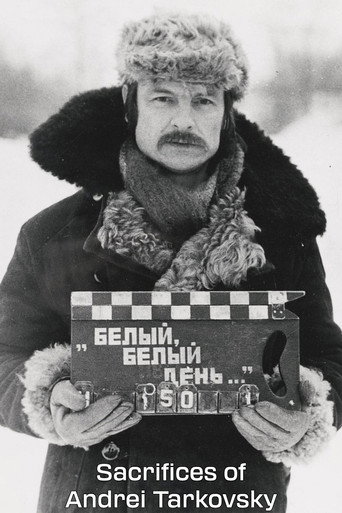
Sacrifices of Andrei Tarkovsky
Dedicated to the 80th anniversary of Andrei Tarkovsky. The film uses unique materials related to the years Tarkovsky spent in Italy, personal accounts of friends and professionals, the shooting locations of his films, to what degree his works reflects his personal life. The film brings us closer to the man to whom contemporary filmmaking owes so much.
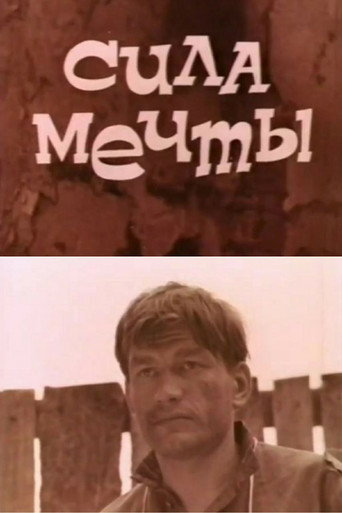
Power of Dream
A young partisan imagines himself as a superhero, escaping from German soldiers.
Production
Visions of Europe
Twenty-five films from twenty-five European countries by twenty-five European directors.
Nest of Winds
Set in the post-war years when sovietization was still being resisted by partisans, often at the expense of a farming population intent on rebuilding.
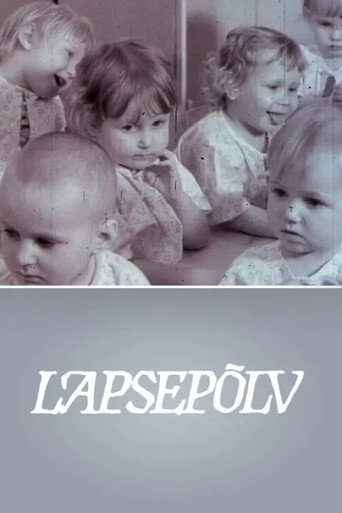
Childhood
A thoughtful and sad film about toddlers who spend their days or even weeks away from their mother and home, whether in a day nursery or a day group. The camera observes the great sadness of the small citizens and their subconscious attempts to adapt to a strange situation.
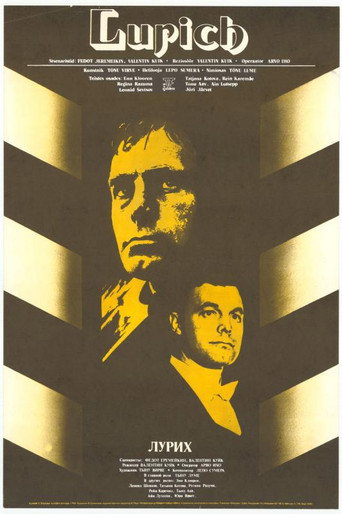
Lurich
Georg Lurich was a world-famous Estonian professional wrestler in the early 1900-s who became a legend already in his lifetime. He was called not only the world's best technique-wrestler but he was also a sports-philosopher, health and temperance activist, an efficient sports manager, a talent in acting, writing and chess, a "world's citizen" who spoke more than ten languages and an athlete with enormous popularity. At least 14 wrestling clubs in Europe and USA carried his name. This film is an unpretentious attempt to recall that unique man, the first world-famous Estonian.
Edison's Disco
Heino Pedusaar (born in 1931) was a sound director in Eesti Raadio. He has collected old audio records all around Estonia. For already twenty years he has been actively involved in restoring Estonian cultural heritage. Filmmakers follow his trip to Mooste in Põlva county and observe his skillful work in restoring old audio records.
Visions of Europe
Twenty-five films from twenty-five European countries by twenty-five European directors.
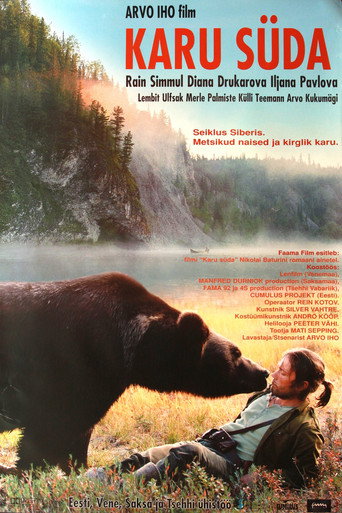
The Heart of the Bear
A young Estonian goes to the Siberian Taiga to live as a hunter in a remote forest hut. He hopes to find his true self far from civilisation. The natives he meets introduce him to the myths of the north. The first is a young village teacher who wants to be a good wife to him. The second is a wild and untameable native who becomes his mythical bear-woman. When he accidentally kills a great black bear, his own shadow-creature, he burdens himself with guilt. However, he is given a chance of finding his inner balance. A romantic drama with mythical elements and breathtaking landscapes.
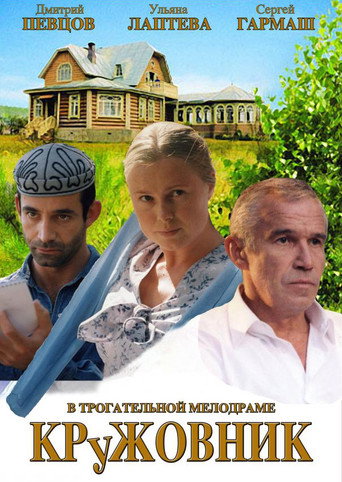
The Gardener
The film takes place on the day of the end of the Olympic Games, August 3, 1980. On the eve and during the Olympics, the Moscow authorities are "trapping" and expelling antisocial elements beyond the 101st kilometer. The avant-garde artist Boris falls into this category, he is taken to the police, from where he manages to escape. Boris hides in a village barn, where he is discovered by the 10-year–old son of the hostess, Anna.
The Heart of the Bear
A young Estonian goes to the Siberian Taiga to live as a hunter in a remote forest hut. He hopes to find his true self far from civilisation. The natives he meets introduce him to the myths of the north. The first is a young village teacher who wants to be a good wife to him. The second is a wild and untameable native who becomes his mythical bear-woman. When he accidentally kills a great black bear, his own shadow-creature, he burdens himself with guilt. However, he is given a chance of finding his inner balance. A romantic drama with mythical elements and breathtaking landscapes.
The Heart of the Bear
A young Estonian goes to the Siberian Taiga to live as a hunter in a remote forest hut. He hopes to find his true self far from civilisation. The natives he meets introduce him to the myths of the north. The first is a young village teacher who wants to be a good wife to him. The second is a wild and untameable native who becomes his mythical bear-woman. When he accidentally kills a great black bear, his own shadow-creature, he burdens himself with guilt. However, he is given a chance of finding his inner balance. A romantic drama with mythical elements and breathtaking landscapes.
Gallery