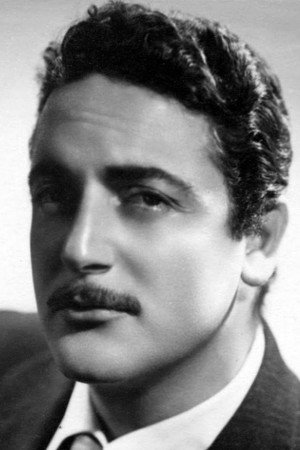
Artur Semedo Movies, TV Shows, and Filmography
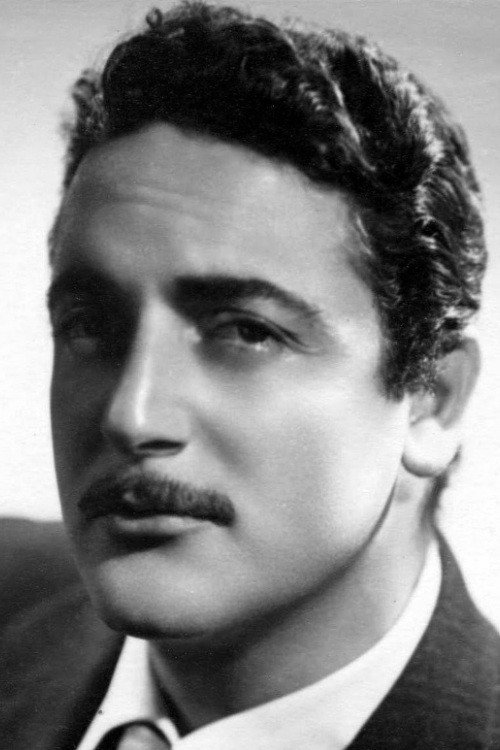
Artur Semedo
Acting
Biography
Before becoming a director, screenwriter, and producer, Artur Semedo enjoyed success as an actor on stage, television, and in feature films from 1949 through 1965. Semedo spent the years 1962 through 1965 working in Brazil.
Filmography Movies
Acting
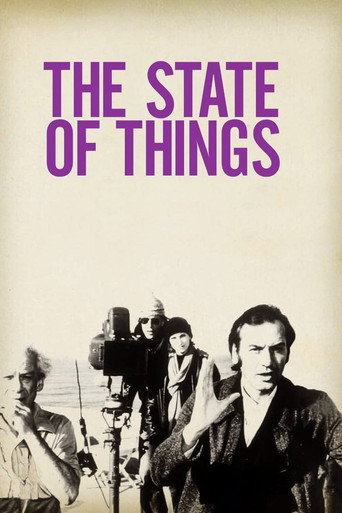
The State of Things
On location in Portugal, a film crew runs out of film while making their own version of Roger Corman's The Day the World Ended (1956). The producer is nowhere to be found and director Munro attempts to find him in hopes of being able to finish the film.
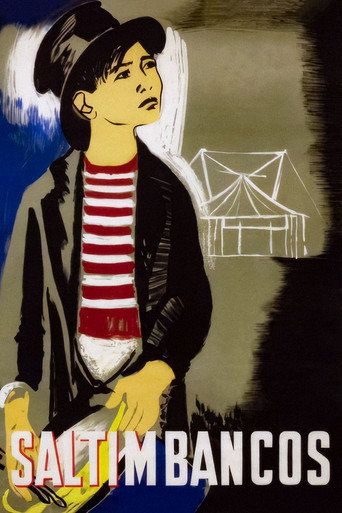
The Circus
Tony, a trapeze artist, gets a job at a small circus. When a tempest takes away the tent, Tony stays for the love of the beautiful Belmira who could be a rider… if they hadn’t sold the horse. They play at open-air, sleep under the stars, scrimp and save every penny, and soon there’s a new tent to be bought on credit. But Belmira is not happy, she dreams of a real home, while Tony is fascinated by the circus. And the gloomy days are back.
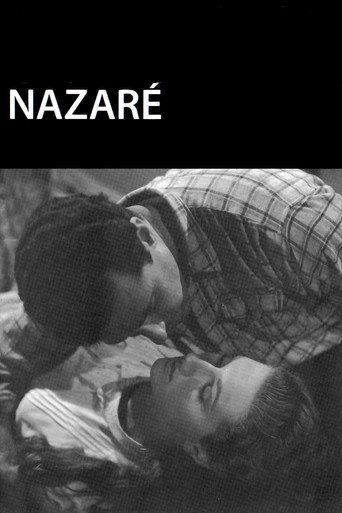
Nazaré
The sea, often treacherous, is the only source of living of the people of Nazaré. The film tells the story of António and his family, where no dreams are allowed. There is also the mourning of the woman in black wailing silently on the beach or waiting for their children lost in the sea.
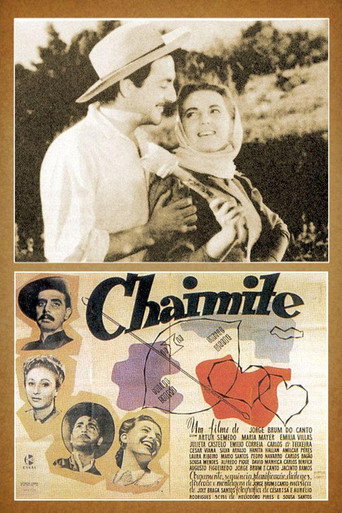
Chaimite
From the military planning to front-line operations of discover conquest of Mozambique by the Portuguese, to counter the Vatuas insurgency of 1894, when they were led by Gungunhana, a cunning strong African leader. Against the background of Marracuene, Coolela, Manjacaze, Chaimite and Macontene historical battles, two soldiers fight for the love of a coloni st's daughter.

O Dinheiro dos Pobres
Manuel and Pedro have different approaches to love. Manuel suffers a disgust that makes him sullen, and enters the priesthood. Pedro keeps on in his carefree ways, and commits a robbery. Manuel knows the robber is Pedro, but he learned it in Catholic confession. To keep his vows as a priest, he is prepared to be arrested.
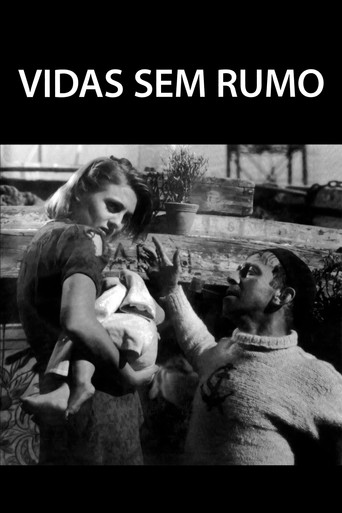
Vidas sem Rumo
Meia-Lua used to be a sailor, but he now makes a poor living smuggling. He is a cynical man, who doesn't care for Ana or for the child they had together. He lives with the beautiful Marlene who dances in the bars. Gull spends her whole days lulling a doll in her arms, and she waits for her love that will rise from the depths of the sea. The deaf musician Sparrow watches over her, in his despaired love and long-held wish of becoming a sea captain. There is a dispute down the piers, there is a crime that might be just an accident, there is a bad conscience that turns sour, there is a boat full of poor wretches like a rocking lullaby, a baby that passes from arms to arms, a clumsy beggar that finds some work, a courthouse of tramps... From this expressionist account that has unexpected comical moments, the censors from Salazar's regime cut away 20 minutes that were never to be found again.
Impossível Evasão
Impossible Invasion is the fifth film in the Lisboa Sociedade Anónima series. Set in the 1960s, it is a touching descent into the emotional misery of the petty bourgeoisie living in rented rooms, suffocating on precarious civil service salaries, with a cultural horizon of soccer and television, and against the backdrop of the colonial war and the glory of the bridge over the Tagus. Noteworthy are the fine performances of the actors (especially Maria do Céu Guerra), the creation of an oppressive and mediocre atmosphere, well underscored by songs from the period, and the concise and rigorous characterization.

Sofia and Sexual Education
After her mother's death, Sofia returns from a Swiss college to her family's luxurious villa, in Cascais. Through the relashionship between her father, Henrique, and his lover Laura, she will discover the complexity, egothistic, discrete and hypocrite way of life - from which there is no escape.
Pôr do Sol no Areeiro
Set in the early 1970s, Pôr do Sol no Areeiro has an excellent storyline, perfectly capturing the mindset of the bourgeoisie of the Avenidas who trade cars, feelings, and people with the ease of an amorality that was typical of Lisbon society at that time.
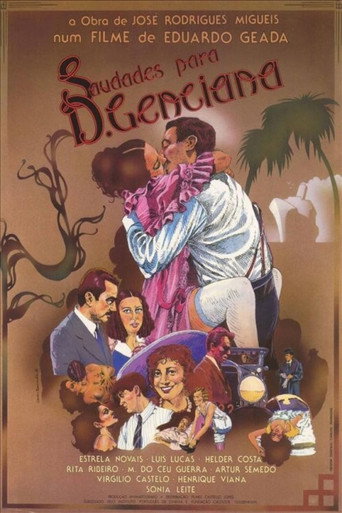
Saudades Para Dona Genciana
Dona Elvira promises to get a job from José through the typical Portuguese wedge. In parallel, they are bizarre aspects and eccentric figures of the city life, including the tragedy of the actress Maria Alves.
Production
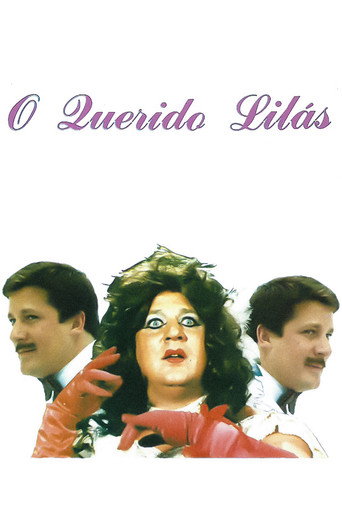
The Dear Lilás
Beladona was the greatest star, or so she thought. Careless of her rural property, she lived by night countless adventures. From one such nights in the arms of a stage and movie producer, she begot her dear Lilás. Alas, six minutes after birth, the boy was taken from her and declared dead - due to the intrigue of the producer, who didn't want to recognize the child as his. Taken into custody by a surrogate mother, twenty years after the child grew into a man, who starts his education in the very fado (folk song, also meaning destiny) tavern where his real mother is. Beladona is still an attractive woman - and drama is round the corner.

O Barão de Altamira
A nobleman from Alentejo, from a very conservative family, intends to reconquer Olivenza, returning the situation to the times of the Treaty of Tordesillas. To this end, he creates two movements, which prepare for the big day. However, these plans do not work, as the daughter of the Mayor of Olivenza falls in love with the son of the Baron of Altamira, and the war will be different...
The Dear Lilás
Beladona was the greatest star, or so she thought. Careless of her rural property, she lived by night countless adventures. From one such nights in the arms of a stage and movie producer, she begot her dear Lilás. Alas, six minutes after birth, the boy was taken from her and declared dead - due to the intrigue of the producer, who didn't want to recognize the child as his. Taken into custody by a surrogate mother, twenty years after the child grew into a man, who starts his education in the very fado (folk song, also meaning destiny) tavern where his real mother is. Beladona is still an attractive woman - and drama is round the corner.
The Dear Lilás
Beladona was the greatest star, or so she thought. Careless of her rural property, she lived by night countless adventures. From one such nights in the arms of a stage and movie producer, she begot her dear Lilás. Alas, six minutes after birth, the boy was taken from her and declared dead - due to the intrigue of the producer, who didn't want to recognize the child as his. Taken into custody by a surrogate mother, twenty years after the child grew into a man, who starts his education in the very fado (folk song, also meaning destiny) tavern where his real mother is. Beladona is still an attractive woman - and drama is round the corner.
O Dinheiro dos Pobres
Manuel and Pedro have different approaches to love. Manuel suffers a disgust that makes him sullen, and enters the priesthood. Pedro keeps on in his carefree ways, and commits a robbery. Manuel knows the robber is Pedro, but he learned it in Catholic confession. To keep his vows as a priest, he is prepared to be arrested.
O Dinheiro dos Pobres
Manuel and Pedro have different approaches to love. Manuel suffers a disgust that makes him sullen, and enters the priesthood. Pedro keeps on in his carefree ways, and commits a robbery. Manuel knows the robber is Pedro, but he learned it in Catholic confession. To keep his vows as a priest, he is prepared to be arrested.
O Dinheiro dos Pobres
Manuel and Pedro have different approaches to love. Manuel suffers a disgust that makes him sullen, and enters the priesthood. Pedro keeps on in his carefree ways, and commits a robbery. Manuel knows the robber is Pedro, but he learned it in Catholic confession. To keep his vows as a priest, he is prepared to be arrested.
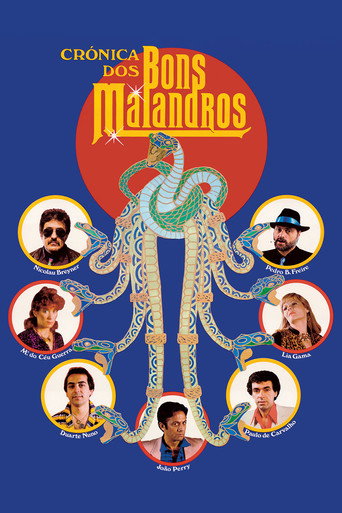
Chronicle of Good Hoodlums
This exaggerated mockery of crime cinema tells the story of a gang lead by "Renato, o pacíficio" (Renato, the peaceful) and their attempt to steal precious jewels from the Gulbenkian Museum in Lisbon. The weapon of choice? Bees!
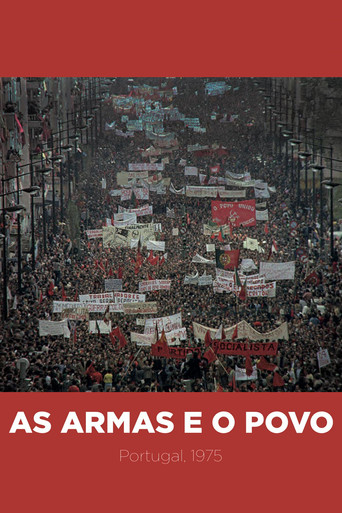
The Guns and the People
Film directors with hand-held cameras went to the streets of Lisbon from April 25 to May 1, 1974, registering interviews and political events of the Portuguese "Carnation Revolution", as that period would be later known.
O Banqueiro Anarquista
Part of the medium-length films for TV Lisboa Sociedade Anónima, O Banqueiro Anarquista is a fine example of what a fabulous script (by Pessoa), exuberant set design, attentive camera work, and an actor (Santos Manuel) at his most daring and accomplished can achieve. The result is a cynically entertaining film, markedly representative of the First Republic, where for almost an hour the viewer is delighted (and unsettled, of course) by the fallacies of a script to which Santos Manuel gives the weight of a body and a voice, that is, he brings it to life. The Anarchist Banker is a brilliant satire on political discourse, of unfailing intelligence and ferocity.
Gallery