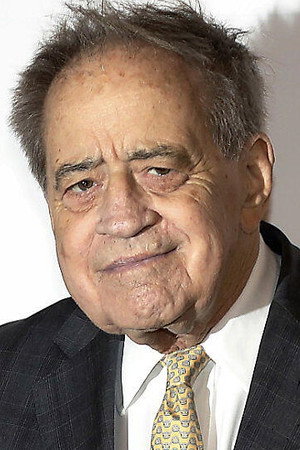
Arthur Cohn Movies, TV Shows, and Filmography
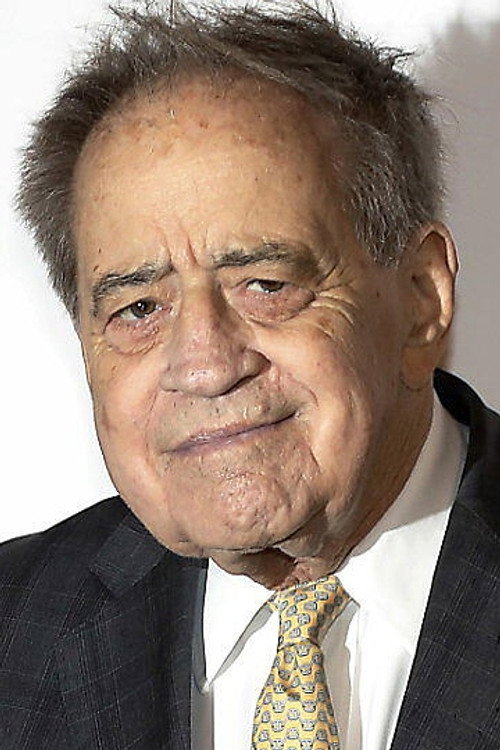
Arthur Cohn
Production
Biography
Arthur Cohn (born February 4, 1927) is a film producer and a multiple Academy Award winner. Cohn was born to a Jewish family, the son of Marcus Cohn, a lawyer and leader of the Swiss Zionist movement who moved to Israel in 1949 where he helped to write many of the basic laws of the new state and served as Israel’s assistant attorney-general. Cohn's mother, Rose Cohn-Galewski, was a Jewish-German poet from Berlin. Cohn's grandfather, Arthur Cohn, was the first chief rabbi of Basel. After completing high school, Cohn became a journalist and a reporter for Swiss Radio, covering the Middle East as well as soccer and ice hockey games. He shifted from journalist writing to script writing, but soon found his passion in film production. Six of his films have won the Academy Award, three in the category of Best Foreign Language Film and three in the category of Best Documentary Feature. Cohn was awarded a Star on the Hollywood Walk of Fame in 1992, the Ordre des Arts et des Lettres by the French Minister of Culture in 1995, the Humanitarian Award by the National Board of Review in 2001, the Guardian of Zion Award in 2004 as well as the UNESCO Award in 2005. He is a multiple honorary degree recipient from Boston University (1998), Yeshiva University (2001) and the University of Basel (2006) and Bar-Ilan University (2021). Cohn has received Lifetime Achievement Awards from the Chicago International Film Festival (1992), the Shanghai International Film Festival (1999), as well as from the International Film Festivals in Jerusalem (1995) and Haifa (2016). In 2019 he received the Lifetime Achievement Award from the Cinema for Peace-Foundation in Berlin. Cohn divides his time between Basel and Los Angeles and is regarded as a hands-on producer who is strongly involved with the development of the script until the final touches of the editing process. For decades he was assisted by Lillian Birnbaum (Paris) and Pierre Rothschild (Zurich). Arthur Cohn's films have been shown at many retrospectives around the world. His best-known fictional film is The Garden of the Finzi-Continis (1970, directed by Vittorio De Sica). He also produced films by Kevin Macdonald (One Day in September) and Walter Salles (Central Station, Behind the Sun). Source: Article "Arthur Cohn" from Wikipedia in English, licensed under CC-BY-SA 3.0.
Filmography Movies
Acting
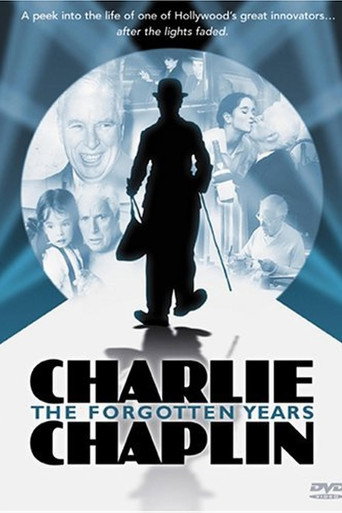
Charlie Chaplin: The Forgotten Years
While silent-film star Charlie Chaplin may have charmed American audiences with the onscreen antics of his lovable "Tramp" character, the actor's private life was marred by a series of public scandals that eventually pushed him into exile. In addition to his penchant for much younger women, Chaplin was unjustly hounded by Senator Joe McCarthy's notorious anti-Communist witch hunts, for which the U.S. revoked his visa in 1952. A bitter and disenchanted Chaplin responded by moving his family to Switzerland, where he remained until his death in 1977. This documentary chronicles Chaplin's life and career during those so-called "forgotten years" (during which he became a prolific and highly respected film-score composer) through previously unreleased archival footage and intimate interviews with his friends and family, including his children Geraldine, Michael, and Eugene.
Mythos Hollywood - Das Geheimnis des Erfolgs
Ekchart Schmidt examines the machinery behind the dream factory; the Hollywood myth is unmasked. How does the studio industry work? What role does marketing and the hype surrounding the stars play?
Production
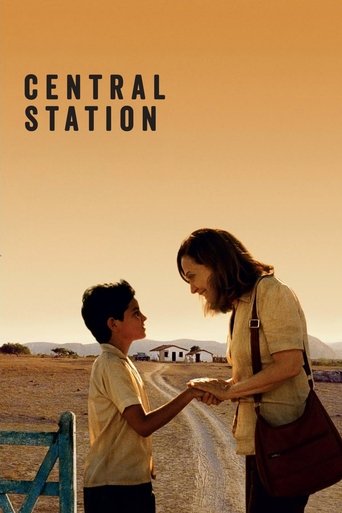
Central Station
An emotional journey of a former school teacher, who writes letters for illiterate people, and a young boy, whose mother has just died, as they search for the father he never knew.
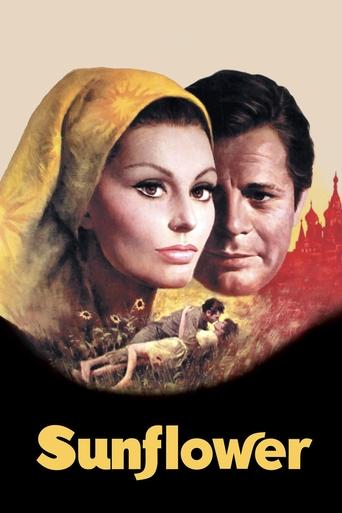
Sunflower
After World War II, a woman refuses to believe her husband, missing on the Russian front, is dead. Flashbacks reveal their brief courtship and marriage. Years later, she travels to Russia with his photo, determined to find him. What will she discover?
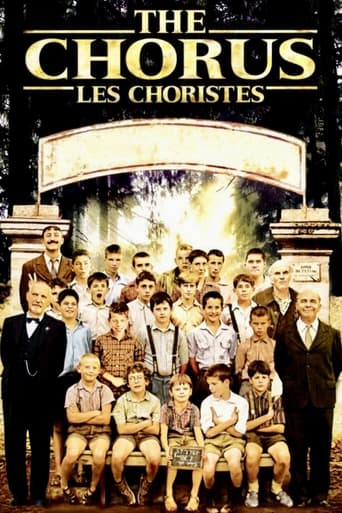
The Chorus
In 1940s France, a new teacher at a school for disruptive boys gives hope and inspiration.
Dangerous Moves
During the Cold War, the World Chess Championship clashed complete opposites - personal and political.
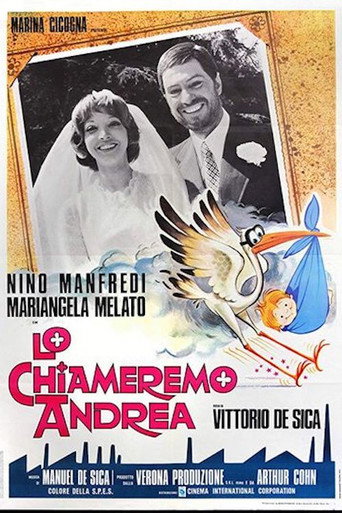
We'll Call Him Andrea
Paolo and Maria are two elementary teachers, who love each other, but can not have a child.
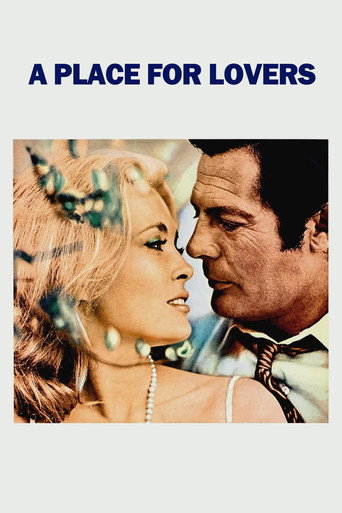
A Place for Lovers
Globe-trotting clothes-horse Julia, who's harboring a secret, embarks on a 10-day fling with Valerio in Italy.
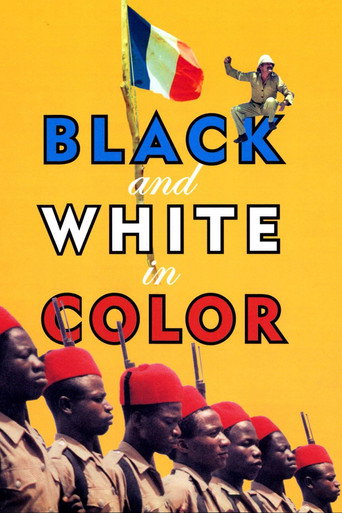
Black and White in Color
French colonists in Africa, several months behind in the news, find themselves at war with their German neighbors. Deciding that they must do their proper duty and fight the Germans, they promptly conscript the local native population. Issuing them boots and rifles, the French attempt to make "proper" soldiers out of the Africans. A young, idealistic French geographer seems to be the only rational person in the town, and he takes over control of the "war" after several bungles on the part of the others.
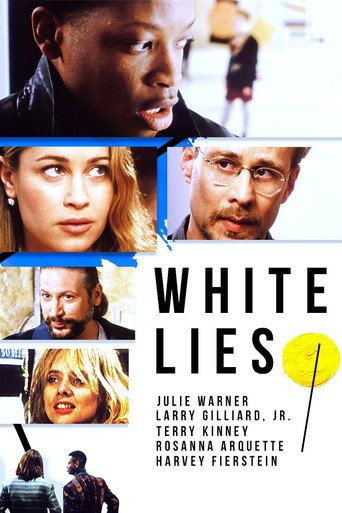
White Lies
A museum worker pretends to be an artist in order to impress women. When an attractive assistant director of a SoHo art gallery overhears him, she offers to exhibit his work. He plays along, which leads to a series of complications following his newfound double life. He starts falling in love with the assistant director, but her art critic fiancé grows suspicious.
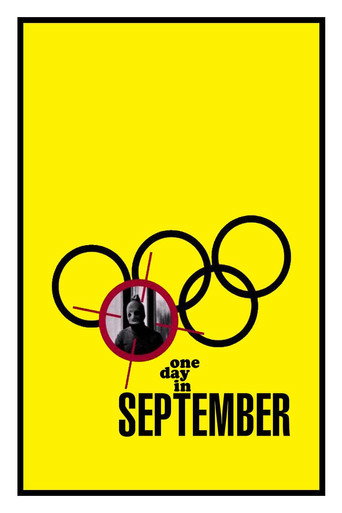
One Day in September
The full story of the 1972 Munich Olympics Massacre and the Israeli revenge operation 'Wrath of God.' The 1972 Munich Olympics were interrupted by Palestinian terrorists taking Israeli athletes hostage. Besides footage taken at the time, we see interviews with the surviving terrorist, Jamal Al Gashey, and various officials detailing exactly how the police, lacking an anti-terrorist squad and turning down help from the Israelis, botched the operation.
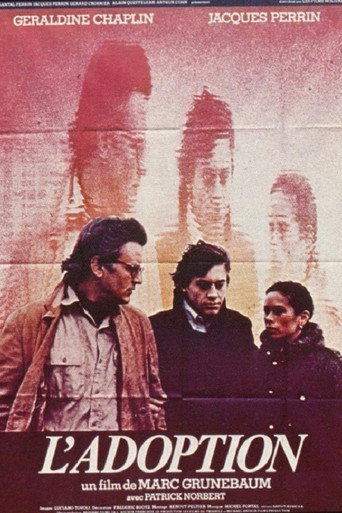
Adoption
A couple takes on a homeless teenager. The trio forms a family-like community that seems to work extremely informally and without many regulations. But then the harmonic situation escalates as the boy falls in love with his "adoptive mother".
Gallery