Acting
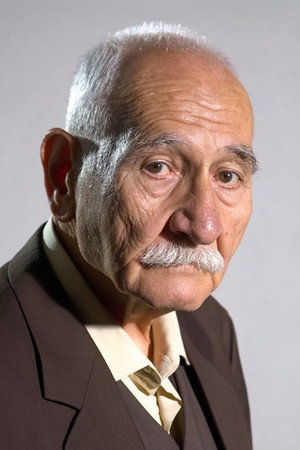
No biography available.
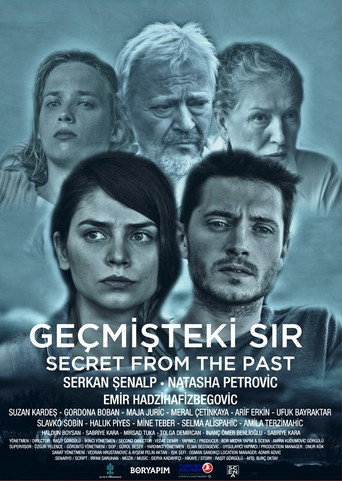
Ali, a young photographer who lives with his family, finds himself in an unusual and sad story in Bosnia and Herzegovina after a genetic disorder. Having never visited Bosnia, he will look for the traces of his own past. Hana, who lives in Bosnia, will not leave him travel alone on this journey.
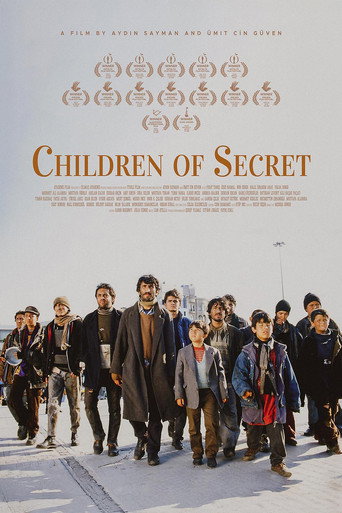
Ten years old Cemil runs away from his stepfather who tortures him and his mother and ends up in Istanbul. Veli Firat Tanis, the leader of a gang which Cemil takes refuge in Haydarpasa, tries to send him back to his home by putting his pocket money. While the gang gather money for Cemil, they, at the same time, suffer from harsh living conditions. In the mean time Cemil's mother Münevver comes to Istanbul in the hope of finding her son.
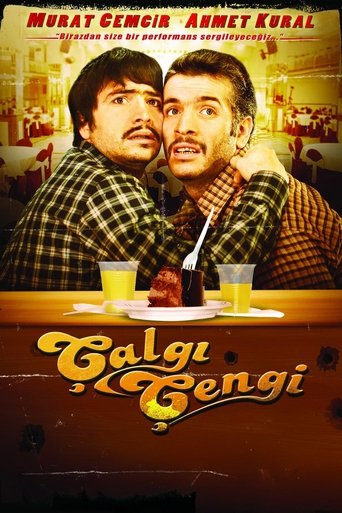
Salih and Gürkan, two cousins from Ankara, are struggling musicians that are trying to make a living by performing at private events such as bachelorette parties. Nihat, a low profile event manager, finds a gig for the duo which leads them to encounter with unexpected guests in their "dressing room".
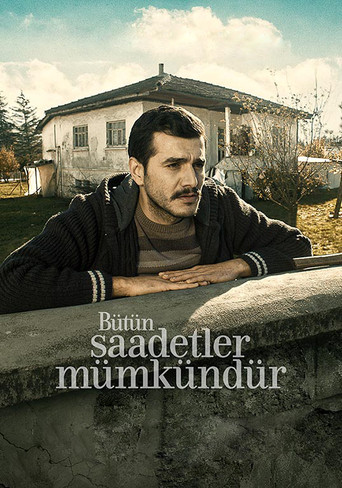
Studying engineering and dreaming to go abroad with the Erasmus project to leave behind his small town, Ali is going through a period of self-exploration, asking questions about life. His quiet life is stirred up upon his crush to Gülce, a singer at a folk music cafe. Gülce is a nursing student and to get by, she works as a caregiver to a lonely, elder man in one of the older neighbourhoods of the town. As Ali gets to know Gülce, he becomes involved in the old man’s story too. Ali goes on his search on the threshold of this encounter, asking a question to which he wouldn’t find an answer to: is any happiness possible?
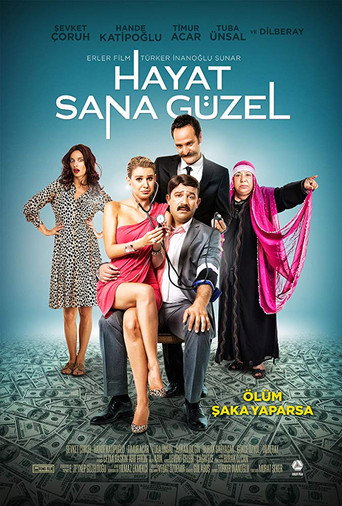
In the midst of a marital crisis, Fikret befriends the singer Solmaz and has to step in as a father figure for her daughter, who is about to get married.
In this story set in ancient times, 31 women who lost their husbands, fathers, and children in war rise up against their lack of men after many years and demand that the state send them men to marry and have children. Five single men from different regions and cultures are selected at a porter market in Istanbul to marry these 31 women. The selected men, unaware of what awaits them, believe they are going to war. However, the porters, referred to as "human donkeys," find themselves in a completely different adventure instead of the front lines.
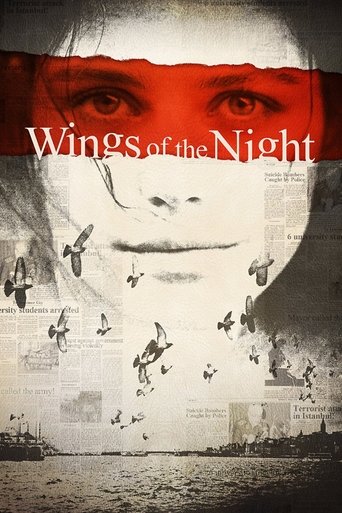
After losing her parents during a police raid at an early age, Grace is pledged to become a suicide bomber, but she falls in love.
The film is a love story. However, it is not a story about the love between two people, but rather a story about the love and affection that a group of people feel for life and for each other. The film depicts all kinds of love, from east to west, from schoolchildren to villagers, from young to old, in both an emotional and humorous way.
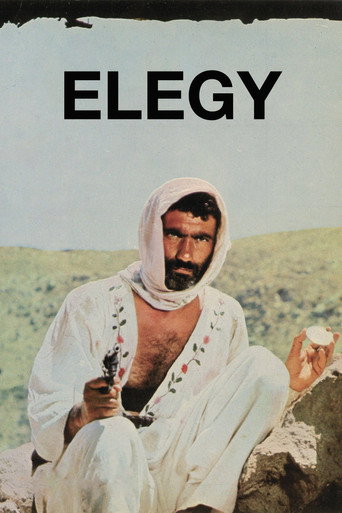
Coban and his four comrades are smugglers who live in the bleak, inaccesable mountains. They are hard, pitiless men like the county they live in, whose daily commerce is in greed, danger, betrayal and murder.
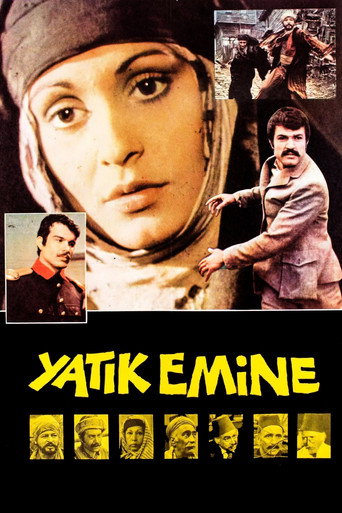
Ömer Kavur's first film Yatik Emine (Emine, The Leaning One), relates the story, set in the years of World War I, of a prostitute exiled in a small town.
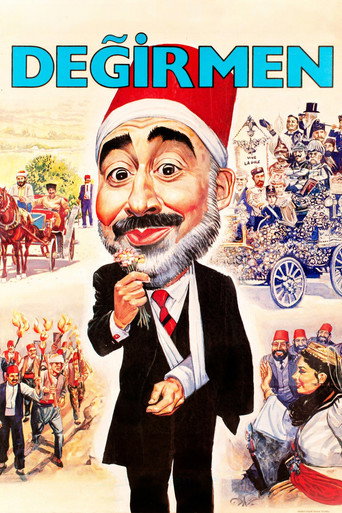
In the last years of the Ottoman Empire, a poor little Anatolian town named Saripinar is hit by a minor earthquake which has neither destroyed nor left it with many casualties. However, a telegraph sent to the central government exaggerates the situation and mentions that the governor of the town has been severely wounded, making the event a nationwide matter.
After losing one of his horses in an accident, an illiterate horse cab driver sets out into the desert in a quest for a mythical lost treasure.
Hacer recently joined a factory where Hasan works and brings hope to her life. The two get married. Hacer is worried about the working conditions in the factory; she has a relationship with Hasan after she establishes a relationship with the union. Because of their disagreements, they are driven towards disaster.
The film follows the lives of those who immigrate to the city, leaving their families behind. Ahmet and his friends came to the city with great expectations, but soon confront the difficulties of adjusting to life there. After days of job hunting, they finally find employment in the harbor.
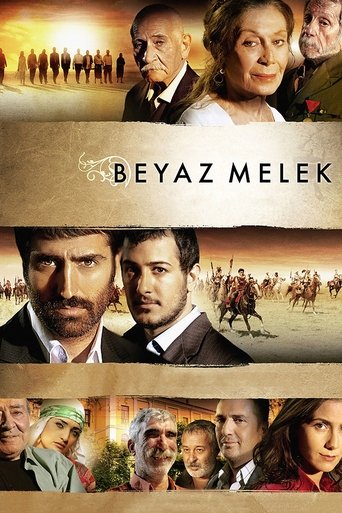
1926, Turkey. Anatolia is undergoing a difficult and harsh process marked by turmoil and uncertainty. Alongside the decisive and conscious directives to establish the new infrastructure of the new Turkey, there are also examples of resistance that cause an unstoppable reaction and unhealed wounds. Amidst the political backdrop revealed by this process, which operates with the indifference of a broken clock, individual stories continue to unfold with all their human qualities, and personal conflicts persist in highlighting negativity.
The film deals with the migration from the village to the city with a realistic narrative. The immigration phenomenon described in workers' hands in a factory refers to both the modernization process in the period and the unionization. Hacer emigrates to Istanbul with his father, two children and his wife. Her husband left her and she was a helpless. Hacer was influenced by the union of the working factory, who owns the crippled friends. Hacer thought very much about to traditions versus modernization. It is the last of the film of director Ömer Lütfi Akad's Bridal-Wedding-Recoup trilogy. And it is still the inaccessible film of Turkish cinema history with its movie theme, cast, and acting success.
Karaoğlan, orphaned during a brutal betrayal in Genghis Khan’s court, is rescued and raised by a kindly innkeeper after the villainous Tokta Bey murders his people to seize the hidden treasure. As he grows, he embarks on a dangerous quest to locate Khan’s lost fortune and reclaim his heritage.
In the 1930s in Konya, Turkey, the famous belly dancer Cemile dreams of going to the big city. Murat falls in love with her.