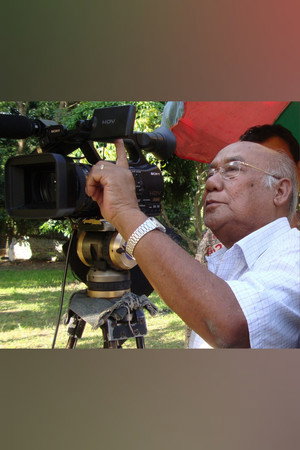
Aribam Syam Sharma Movies, TV Shows, and Filmography
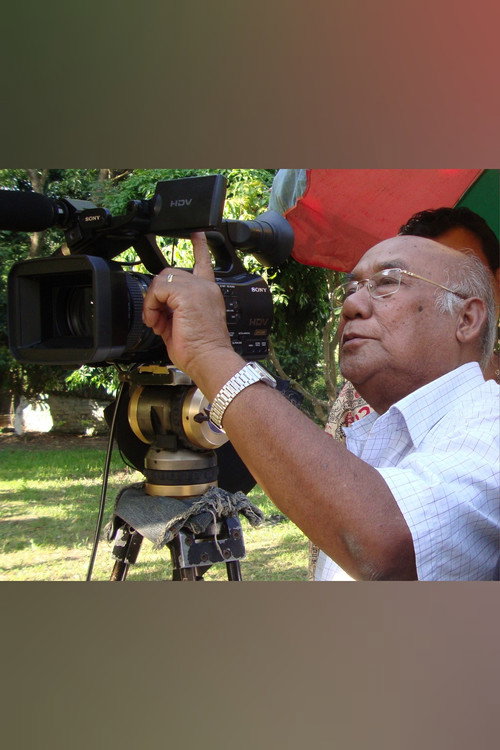
Aribam Syam Sharma
Directing
Biography
Aribam Syam Sharma is an Indian film director and composer from Manipur in India. He debuted in the first Manipuri film Matamgi Manipur as an actor. In 1974, he directed his first movie Lamja Parshuram. Lamja Parshuram became the first Manipuri film to run for 100 days in the box office. His 1980 film Olangthagee Wangmadasoo was the first ever and the only Manipuri film to run for 32 weeks. It also broke the local box office records of Sholay. His fourth film as a director, Imagi Ningthem (My Son, My precious) brought him international recognition when the film received the Montgolfiere d' Or at the Festival of Three Continents, Nantes in 1982. His 1990 film Ishanou (The Chosen One) was screened in the Un Certain Regard section at the 1991 Cannes Film Festival. Ishanou was restored by Film Heritage Foundation and the restored film was selected for a red-carpet world premiere at the classics section of Cannes Film Festival 2023. He was honoured with the Padmashri in 2006. But, he returned the award in February 2019 to protest against the Indian Government's decision to enact the Citizenship Amendment Bill, 2019. In recognition of his contribution in the Indian documentary cinema, Government of India conferred him Dr. V. Shantaram Lifetime Achievement Award in the 10th Mumbai International Film Festival, 2008 organised by the Films Division. Syam Sharma was given the Lifetime Achievement Award at the 7th Manipur State Film Festival 2010. He was also conferred with the Jewel of Manipuri Cinema award on 14 May 2015 by the Film Forum Manipur and the Manipur State Film Development Society.
Filmography Movies
Production
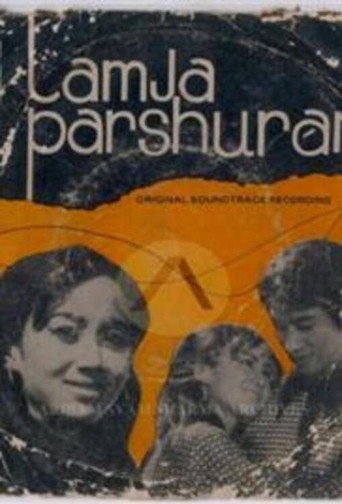
Lamja Parshuram
Lamja Parshuram is a 1974 Manipuri film directed by Aribam Syam Sharma and produced by G. Narayan Sharma for N.S. Films. The script of the film was written by Elangbam Dinamani Singh and story by G.C. Tongbra. The movie features Kangabam Tomba in the titular role, and Wahengbam Bedamani as the lead female protagonist. It was released on 24 April 1974 at Pratap Talkies, Paona Bazar. The film ran for more than 100 days and became the first Manipuri hit feature film.
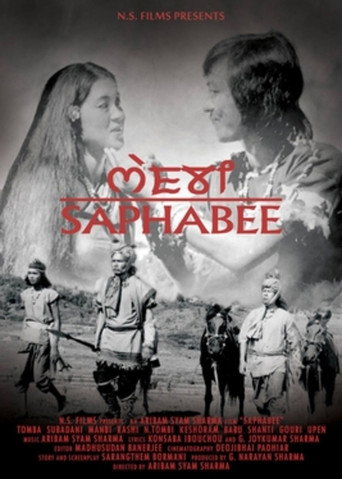
Saaphabee
Saaphabee is a 1976 Manipuri film written by Sarangthem Bormani, produced by G. Narayan Sharma and directed by Aribam Syam Sharma. The film features Kangabam Tomba and Subadani in the lead roles. It was released at Usha Cinema, Paona Bazar on 13 July 1976. The movie won the National Film Award for Best Feature Film in Manipuri at the 24th National Film Awards. It is based on the famous Manipuri folk play Haorang Leishang Saaphabee. It is the first Manipuri folk film.
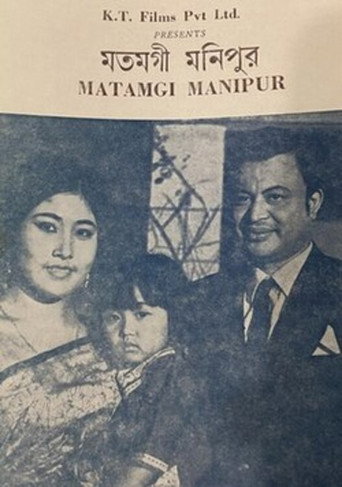
Matamgi Manipur
Matamgi Manipur is the first full-length Manipuri feature film released in the year 1972. The film narrates the story of a middle class family which has votaries of the new and old values in society. They drift in different directions pulled by their diametrically opposite attitudes.
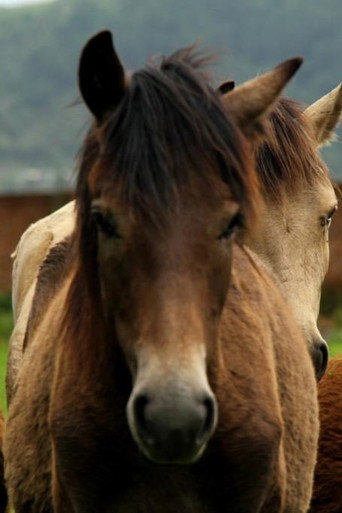
Manipuri Pony
The film on Manipuri animal of character and strength, is inextricably linked with the culture, history and civilization of the land, was once treated as a family member. According to Meitei myths, it was the first animal created. Today Manipuri Pony is endangered species, but all hope for its survival is not yet lost.
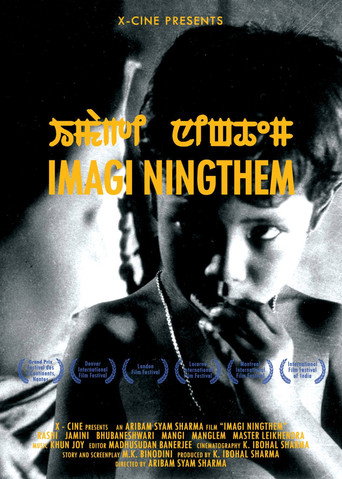
My Son, My Precious
A teacher comes to a village and an old man asks her to tutor his sickly grandson. The teacher becomes curious about the old man and the boy. She finds out from a colleague that the boy's mother had been seduced by a man and died in child birth. Winner of the Golden Montgolfiere at the Three Continents Film Festival.
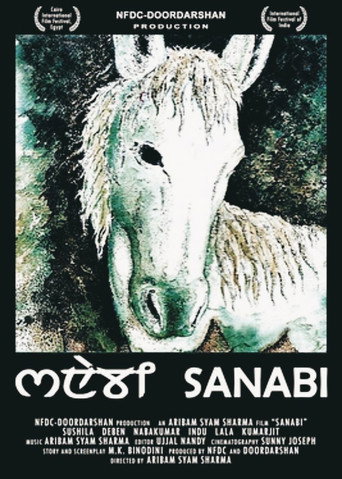
The Grey Mare
A man, irritated by his childhood friend's refusal to marry him, steals her beloved grey mare in order to force her to agree.
Saaphabee
Saaphabee is a 1976 Manipuri film written by Sarangthem Bormani, produced by G. Narayan Sharma and directed by Aribam Syam Sharma. The film features Kangabam Tomba and Subadani in the lead roles. It was released at Usha Cinema, Paona Bazar on 13 July 1976. The movie won the National Film Award for Best Feature Film in Manipuri at the 24th National Film Awards. It is based on the famous Manipuri folk play Haorang Leishang Saaphabee. It is the first Manipuri folk film.
Leipaklei
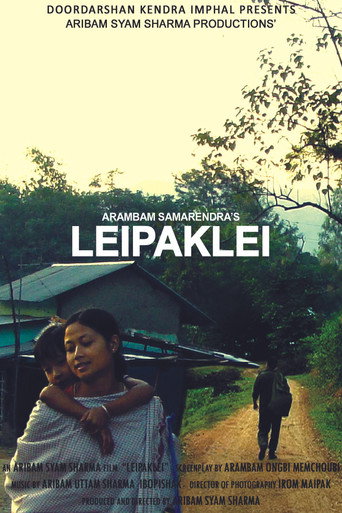
The film Leipaklei tells the story of Leipaklei, a woman named after a Manipuri flower. Like the flower whose habitat is the hard ground, she is surrounded by hard trials and ironies of fate: separation from the one who loved and is still loved by her, abandonment by her husband, the trials of being a single parent, the violence of the gaze of men who sees her as fair game. Not unlike the flower Leipaklei, which hibernates beneath parched grounds - dreaming for a spring past, the protagonist dreams of the return of her beloved. He returns.
Leipaklei
The film Leipaklei tells the story of Leipaklei, a woman named after a Manipuri flower. Like the flower whose habitat is the hard ground, she is surrounded by hard trials and ironies of fate: separation from the one who loved and is still loved by her, abandonment by her husband, the trials of being a single parent, the violence of the gaze of men who sees her as fair game. Not unlike the flower Leipaklei, which hibernates beneath parched grounds - dreaming for a spring past, the protagonist dreams of the return of her beloved. He returns.
Leipaklei
The film Leipaklei tells the story of Leipaklei, a woman named after a Manipuri flower. Like the flower whose habitat is the hard ground, she is surrounded by hard trials and ironies of fate: separation from the one who loved and is still loved by her, abandonment by her husband, the trials of being a single parent, the violence of the gaze of men who sees her as fair game. Not unlike the flower Leipaklei, which hibernates beneath parched grounds - dreaming for a spring past, the protagonist dreams of the return of her beloved. He returns.
Gallery