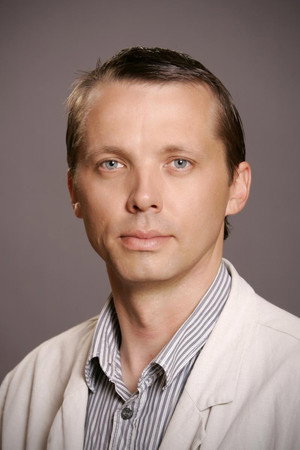
Argo Aadli Movies, TV Shows, and Filmography
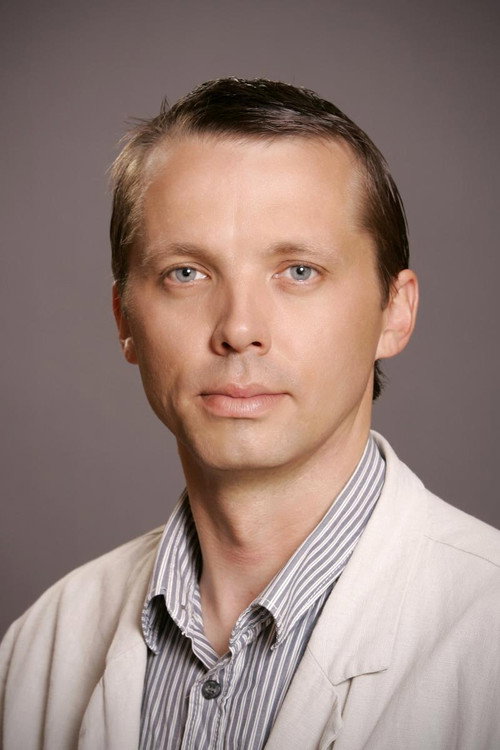
Argo Aadli
Acting
Biography
Argo Aadli (born April 12, 1980) is an Estonian theatre and film actor. Born in Kunda, Estonia, Aadli graduated from the Higher Theatre School of the Estonian Academy of Music and Theatre in 2002. Aadli has worked as an actor in Tallinn City Theatre where he has performed at least ten productions to date, notably the character of Zahhar in the Anton Chekhov play "Pianola or The Mechanical Piano" in 2002. Aside from this he has been involved in several films including Names in Marble (2002) where he played Konsap, and Lotte from Gadgetville (2006) where he voiced Albert.
Filmography Movies
Acting

Where Souls Go
A teenage girl has problems with her family and life when her little brother is born with a heart problem.
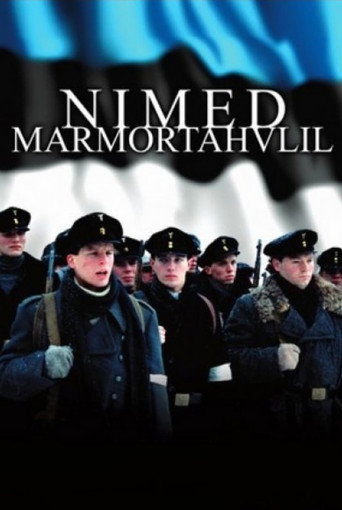
Names in Marble
Despite peaceful speeches, the army of the Soviet Russian is attacking Estonia, and the country's government is declaring a mobilization for all. Henn Ahas, the son of a poor family, hesitates to go to war.

The Last Romeo
Romantic country boy Lembo lives in a far away village, where men are drunkards and women are dreaming about the bright city life. Lembo has fallen in love with the village beauty Liisu and decides to propose to her. The story takes an unexpected turn when Liisu's father and the vodka loving dog step in. During one night lives and dreams will change and nothing will be like it used to be before.

The Little Comrade
In the midst of Stalinist tyranny, six-year-old Leelo's mother is sent to a prison camp. Haunted by her mother's last words telling her to be a good kid, Leelo vows to be on her best behaviour in the confusing grown-up world in the hope that it will bring her mother back.

Secret Society of Souptown
Four children - Mari, Sadu, Olav and Anton form a secret society to play hide-and seek games invented by Mari's grandfather, a professor at the university. When the city is attacked by a mysterious poison which turns adults into children our gang embarks on a quest for the antidote.
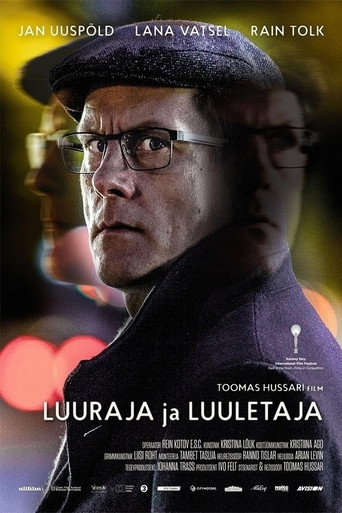
The Spy and The Poet
Lonely secret service officer Gustav meets a mysterious gypsy woman. It soon comes clear that it is a trap set by the Russian intelligence. Gustav is ordered to continue the relationship to get a better understanding of the enemy's plans. Unfortunately, Gustav finds himself struggling with the task, as he is falling in love with the enemy. Is there a way out of this situation?
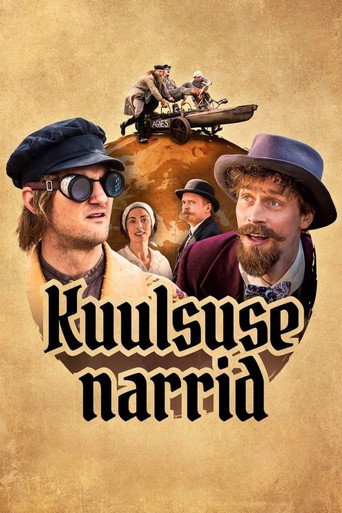
Fools of Fame
The feature film based on Eduard Bornhöhe's story takes the viewer to the early days of the 20th century, when Estonia was still part of the tsarist Russia. Pride in one's nation was emerging and the desire to give something eternal to one's people at any cost - be it a miracle machine flying in the air or valuable literature written in the language of the country. Unfortunately, it was not that easy and sometimes there was lack of talent.
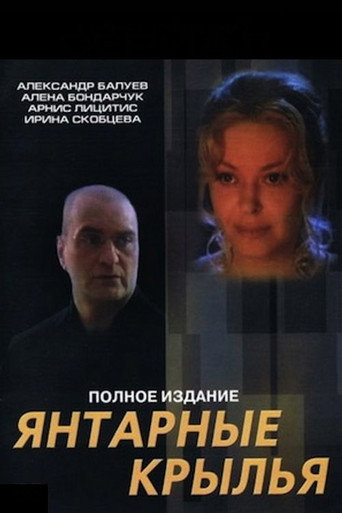
Amber Wings
A story about love between two people who accidentally met in old Tallinn.
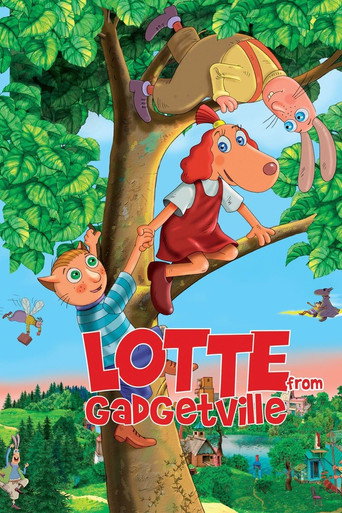
Lotte from Gadgetville
Somewhere in Europe by a great sea stands a small village, where inventing all manner of domestic gadgets is held in great esteem. Every year the villagers organize an annual competition of new inventions. One of the best inventors in the village is Oskar, Lotte's father. His primary rival is Adalbert, whose wife also partakes in the competition. On the eve of the next competition, Lotte and her friend Bruno find a book soaked in the sea, from which Susumu, a gardener from distant Japan, climbs out. Susumu teaches the villagers some judo throws before a big judo competition, which the latter will eagerly use to facilitate their daily lives.
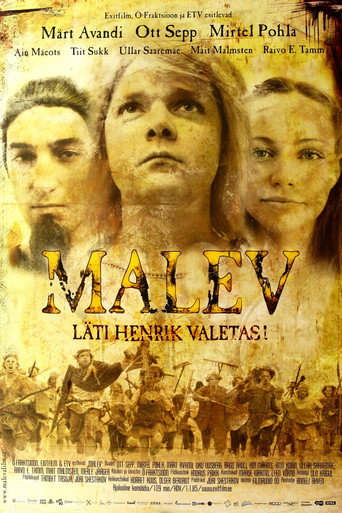
Men at Arms
Year 1208. The first Eastward enlargement of Europe is under way. Brutal forces of the Teutonic Order are steadily marching on. In their path live a simple and peaceful people, whose main pastimes include cultivating the earth, singing and, if possible, doing both at the same time. They are the Estonians. Ignorant in the ways of war, they find an unlikely leader in a young boy with Catholic upbringing. In their fight for freedom, the Estonians encounter numerous obstacles, including the Germans, French, Russians and, worst of all, the Latvians. Will they succeed in defeating their enemies or will they experience a cultural awakening?
Gallery