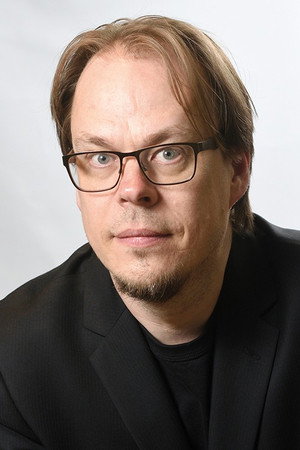
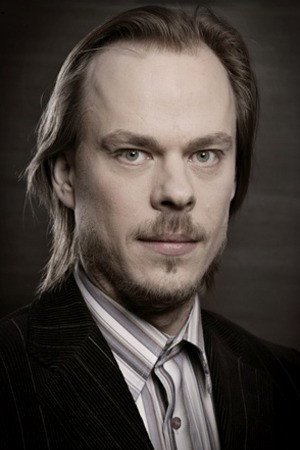
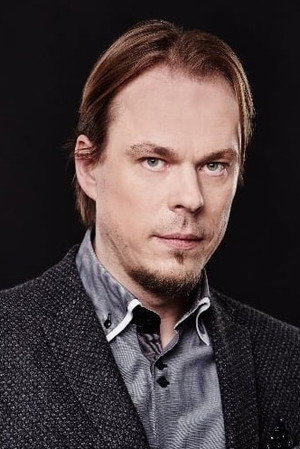
Ardo Ran Varres Movies, TV Shows, and Filmography

Ardo Ran Varres
Sound
Biography
Ardo Ran Varres (born March 19, 1974 in Tallinn) is an Estonian composer and actor. Ardo Ran Varres studied at the Tallinn Music High School from 1981–1992, graduated in clarinet performance, and at the Higher Theatre School of Estonian Academy of Music from 1992–1996, graduated as an actor. From 2009-2011 he studied composition in Helena Tulve's composition class at the Estonian Academy of Music and Theatre. Varres has played clarinet and saxophone at the Especially Sad Music Ensemble from 1991–1993. From 1996–2001 Varres was employed as an actor at the Rakvere Theatre and from 2001-2003 at the Estonian Drama Theatre, and was described as among "the leading younger [Estonian] actors and actresses of the last decade". From 2003-2011 he was the music director of the Estonian Drama Theatre. Since 2011 Varres has been a freelance artist. He was elected as member of the Estonian Composers Union in 2007. Ardo Varres has worked with many stage directors at several theatres in Estonia and has played tens of roles (also in Finland, Denmark and Germany). He has written music for more than 50 productions, films, TV and radio productions, for both Estonian and foreign dramaturgy, world classics and modern plays. Varres has also done voice-overs of series for Estonian television channels such as TV3, notably SpongeBob SquarePants, or Käsna-Kalle Kantpüks (until the show's seventh season). He also writes concert music. In 2022 premiered his first opera The New Old Nick of Hellsbottom. Theatre Vanemuine. Libretto by Kristi Klopets based on A. H. Tammsaare’s book. Musical Director & Conductor Risto Joost. Director Vilppu Kiljunen (Finland). Set Designer Iir Hermeliin
Filmography Movies
Acting
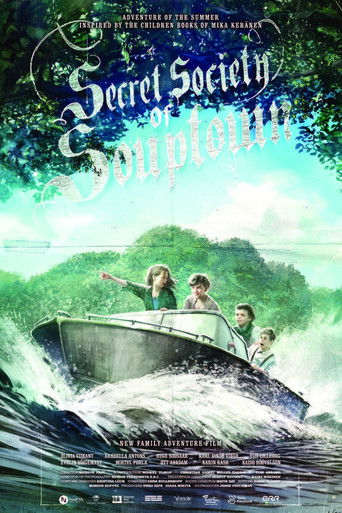
Secret Society of Souptown
Four children - Mari, Sadu, Olav and Anton form a secret society to play hide-and seek games invented by Mari's grandfather, a professor at the university. When the city is attacked by a mysterious poison which turns adults into children our gang embarks on a quest for the antidote.
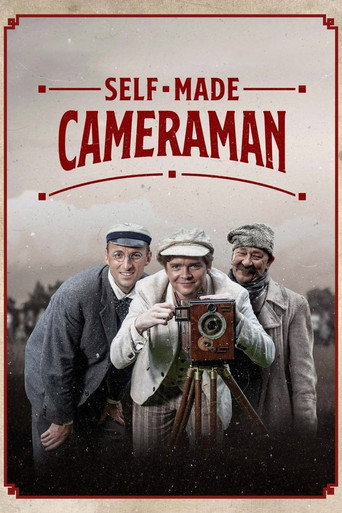
Self Made Cameraman
An adventurous tragedy about Estonia's first film maker Johannes Pääsuke and his aspirations to travel around with a film camera and find happiness. Together with a good friend, Volter, Pääsuke will spend an incredible week in Setomaa.
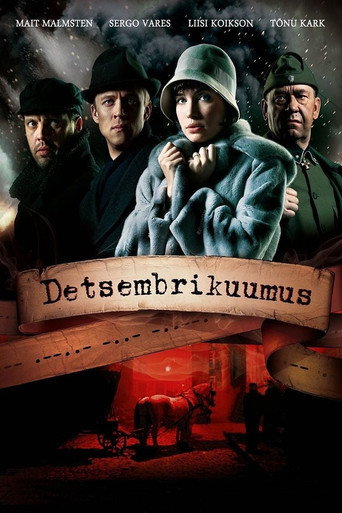
December Heat
The young country of Estonia is dancing to the jazzy tune of the 1920's when on December 1, 1924, the capital Tallinn is overrun by members of the Comintern in an attempt to stage a Communist coup. The film follows the fates of a young soldier called Tanel and his wife, a telephone operator named Anna, amidst the ensuing chaos which determines whether the country remains independent or becomes a minor province in the Communist Empire.
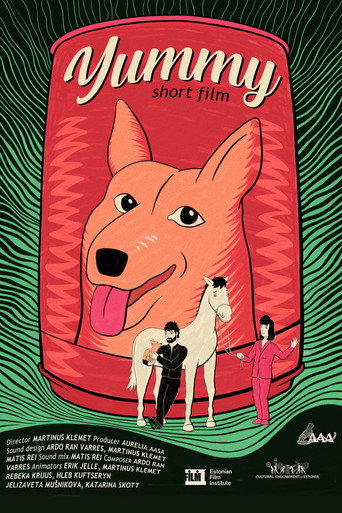
Yummy
Julia works as a dog food taste tester. After a brutal break up, dog food will never taste the same.
Production
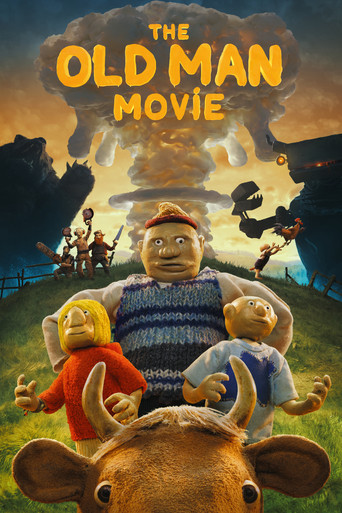
The Old Man Movie
An outrageous road movie about The Old Man and his grandkids in a 24 hour race against time to stop a milky madman hell bent on killing his prized cow to save the world.
Underwater Flights
Underwater Flights is comprised of ten film short stories that depict events occurring between 1820 and 1940. This was a time when clever men invented flying machines, submarines started traveling underwater, warships were built in Tallinn, bombs were thrown from zeppelins and planes started to fly across oceans. These stories about wild times and creative people are told by film newsreels, private letters, intelligence reports and bedtime stories...
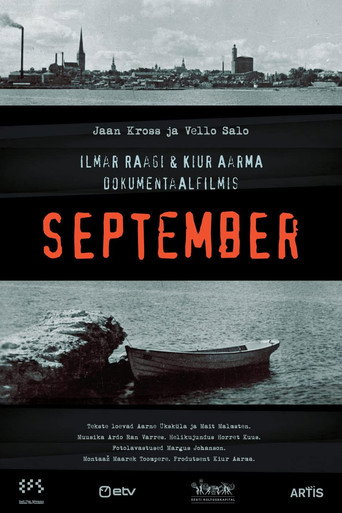
September
September is a film about the complicated choices of simple people. The internationally renowned Estonian author, Jaan Kross (1920-2007) was arrested in 1944 by the Nazis. A year after the Soviet forces entered Tallinn and he was arrested again. The accusation was the same both times: conspiracy with the underground independence revolutionaries. Based on the author's journal, pieces from his oeuvre and interviews, the film creates a story about a few monumental weeks in Tallinn, in September 1944.
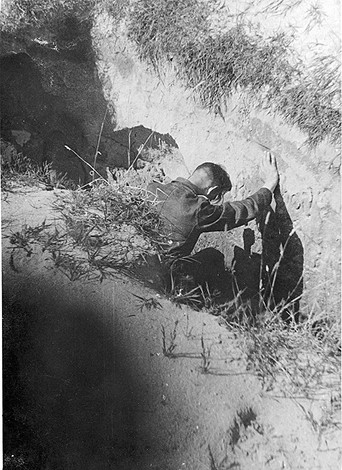
The Blue Hills
A documentary on the volunteer Estonian Army's defense against the Soviet Army in 1944 with an emphasis on its last stand in the region known as the Blue Hills of Estonia.
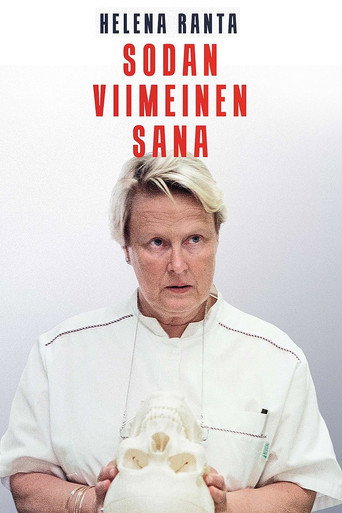
Fragments of Humanity
In the Kosovo War, human dignity was shattered by the terrors of the Serbian government and the Albanian liberation army. Truths about the victims’ fates faded away, which is why a Finnish forensic research group led by Helena Ranta got a mission to act as an unbiased agent and investigate the real course of events.
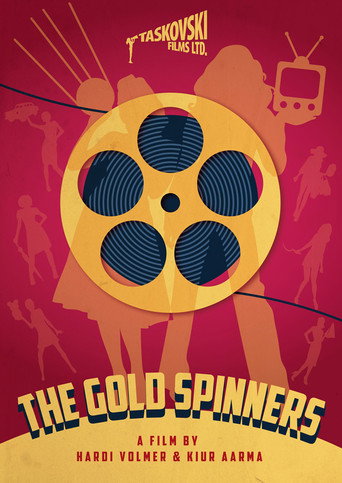
The Gold Spinners
The Gold Spinners is a story about the birth, glory, and disappearance of a peculiar, invisible, and mighty business empire, the film studio Eesti Reklaamfilm, the only company producing commercials in the Soviet Union.
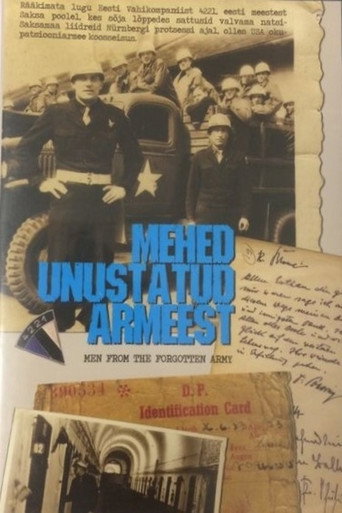
Men from the Forgotten Army
After World War II, Estonian (Latvian and Lithuanian) soldiers, airmen and sailors who had fought (been conscripted) on the German side ended in POW camps on the US side. They were the lucky ones. The others went to Siberia. This story is about those soldiers who were sitting in their POW camps when all of a sudden they were conscripted yet one more time, this time into a civil variant of the US Army.
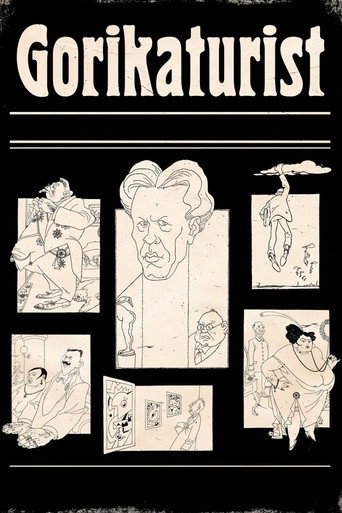
Gori the Caricaturist
A richly animated documentary about the extremely popular caricaturist Gori, whose fate in Estonia at the beginning of the last century shows the balance between power and freedom like a mirror. In the Fellini-like world of Gori (1894-1944), farce and drama, mockery and big politics mix. There is no subject that Gori's pen will not mock until the winds turn and mouths are closed.
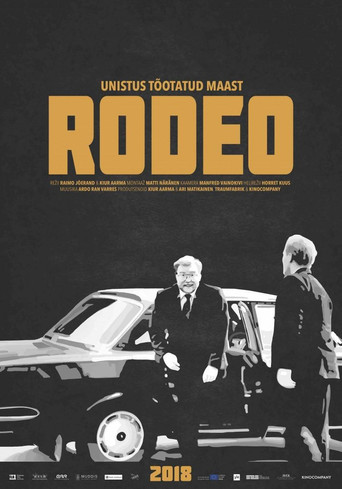
Rodeo
A documentary exploring the difficulties the newly-independent Estonia faced in the early 1990s after emerging from decades of Soviet rule. The film focuses especially on then-32-year-old and inexperienced Mart Laar, who became country's prime minister while there still were tens of thousands of Soviet soldiers in the country.
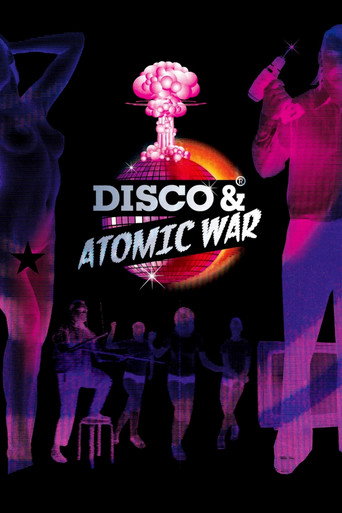
Disco and Atomic War
A different history of the Cold War: how Estonians under Soviet tyranny began to feel the breeze of freedom when a group of anonymous dreamers successfully used improbable methods to capture the Finnish television signal, a window into Western popular culture, brave but harmless warriors who helped change the fate of an entire nation.
Gallery