Acting
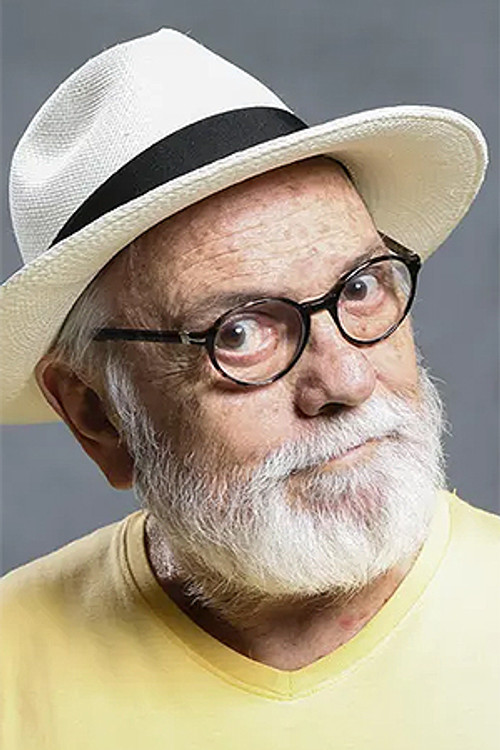
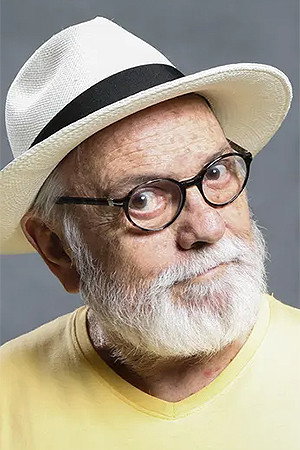
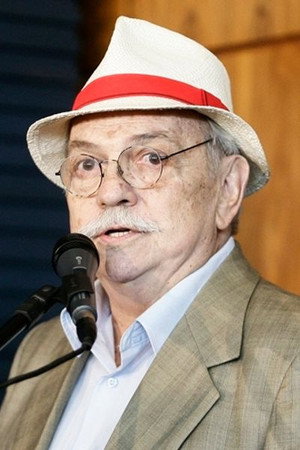
Antônio Pedro Borges de Oliveira (Rio de Janeiro, November 11, 1940 – Rio de Janeiro, March 12, 2023) was a Brazilian actor, director, screenwriter and producer of cinema, television and theater.
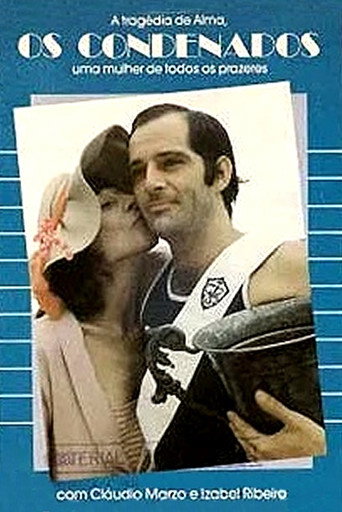
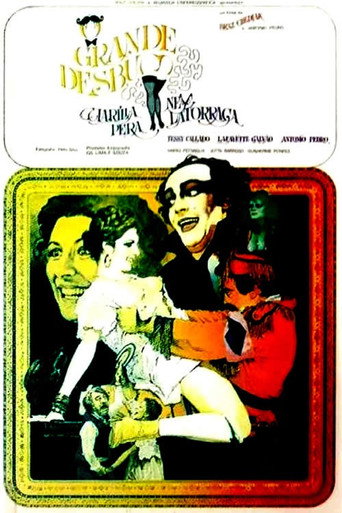
In São Paulo, during the 1920s, a woman who is loved by a telegraphist and seduced by a slacker ends up in prostitution.
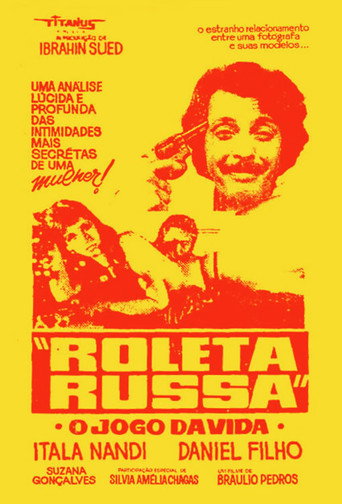
Raul, a playboy, marries Sheila and hire Nina, a photographer, to take erotic snapshots of his wife. Nina acquires an interest on Sheila, and through a maid, investigates the couple's intimate life.
Fantasy comedy about Brazilian writer Oswald de Andrade, one of the most important icons of Modernism in Brazil. In the film, Oswald is played by two actors: Ítala Nandi, as his feminine anima, and Flávio Galvão, as the masculine half.
Sisters Mirian and Mirelly were born in the interior of Goiás, but live in different cities. When their mother disappears, the two put aside their differences and come together to look for her, on a journey that could change their lives.
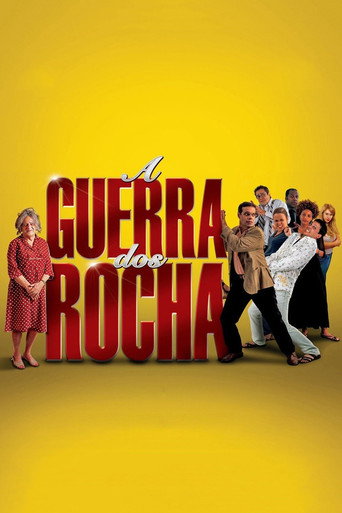
Clumsy old lady Dina Rocha lives with her son Marcelo. After a series of incidents at home, she moves to her house in Santa Teresa. She meets her friend Nonô and she pays a visit to her old friend. Her sons do not know where she is and they go to the hospitals and morgues. Coincidently there is the body of an old lady smashed by a truck and they believe that she is their mother. Meanwhile two smalltime thieves break in Nonô's house and keep the two old ladies locked in the bathroom. During the funeral of Dina Rocha, the dysfunctional families have a quarrel disputing their heritage.
A valet parking attendant borrows a client's car to spend the day with his son, but gets into unexpected trouble.
João Ernesto Ribamar is a corrupt politician running for the presidency. He is in the runoff election, ahead on the polls, when he receives a "mandinga" (curse) from his grandmother, which makes him unable to lie. Now the problem begins: How to win an election by telling only the truth?
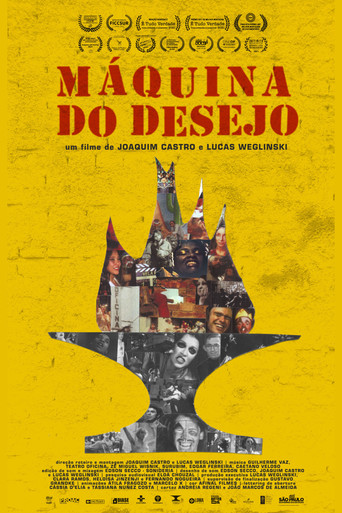
In six decades, Teatro Oficina has done more than revolutionize theatrical language in the country: the aesthetic influence of José Celso Martinez Corrêa's company extends from Tropicalism to the renewal of Brazilian audiovisual languages from the 1960s onwards. The film revisits a story that it involves personalities such as Caetano Veloso, Glauber Rocha, Lina Bo Bardi, Chico Buarque and Zé do Caixão, brings together scenic art, ecology, architecture and sexuality, and mixes art and life in the search for a Brazilian based language.
Lalau (Gregorio Duvivier) is presented by the country's interior with his show jokes, whose main theme is her father, Ramon Velasco (Tarcisio Meira), an actor who always gets into shenanigans. One day, when present in Ceará, Stan receives a tempting proposal by Flora (Flávia Alessandra), which offers $ 100,000 so he pretends to be a famous guru in a motivational speech in Rio de Janeiro. He accepts and goes to Rio without telling his father. After seeing his son on the cover of a newspaper, Ramon decides to go after him and creates many characters to ensure their part.
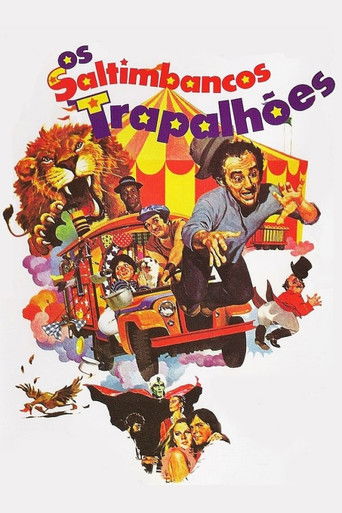
Humble officials, friends Didi, Dedé, Mussum and Zacarias become the great attraction of the circus Bartolo, thanks to its incredible ability to make the public laugh. But success has a price: the opposition of the magician Assis Satan and the greed of the Baron, the owner of the circus. Together, the four friends will have to fight them.