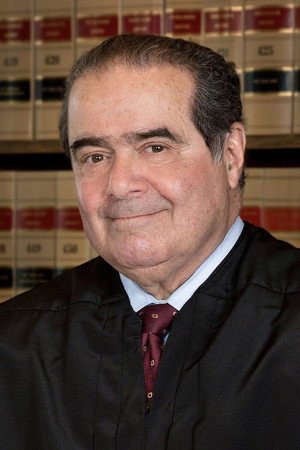
Antonin Scalia Movies, TV Shows, and Filmography
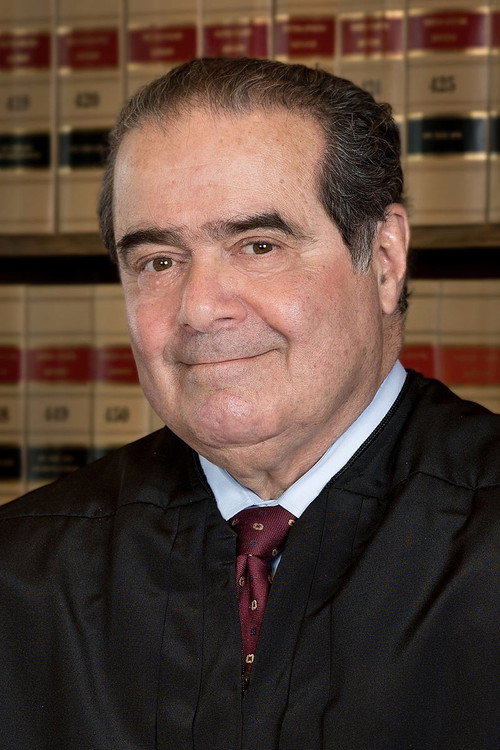
Antonin Scalia
Acting
Biography
Antonin Gregory Scalia (March 11, 1936 – February 13, 2016) was an American jurist who served as an Associate Justice of the Supreme Court of the United States from 1986 until his death in 2016. He was described as the intellectual anchor for the originalist and textualist position in the Court's conservative wing. For catalyzing an originalist and textualist movement in American law, he has been described as one of the most influential jurists of the twentieth century, and one of the most important justices in the history of the Supreme Court. Scalia was posthumously awarded the Presidential Medal of Freedom in 2018, and the Antonin Scalia Law School at George Mason University was named in his honor. Scalia was born in Trenton, New Jersey. A devout Catholic, he attended the Jesuit Xavier High School before receiving his undergraduate degree from Georgetown University. Scalia went on to graduate from Harvard Law School and spent six years at Jones Day before becoming a law professor at the University of Virginia. In the early 1970s, he served in the Nixon and Ford administrations, eventually becoming an assistant attorney general under President Gerald Ford. He spent most of the Carter years teaching at the University of Chicago, where he became one of the first faculty advisers of the fledgling Federalist Society. In 1982, President Ronald Reagan appointed Scalia as a judge of the U.S. Court of Appeals for the District of Columbia Circuit. Four years later, Reagan appointed him to the Supreme Court, where Scalia became its first Italian-American justice following a unanimous confirmation by the U.S. Senate 98–0. Scalia espoused a conservative jurisprudence and ideology, advocating textualism in statutory interpretation and originalism in constitutional interpretation. He peppered his colleagues with "Ninograms" (memos named for his nickname, "Nino") intending to persuade them to his point of view. He was a strong defender of the powers of the executive branch and believed that the U.S. Constitution permitted the death penalty and did not guarantee the right to either abortion or same-sex marriage. Furthermore, Scalia viewed affirmative action and other policies that afforded special protected status to minority groups as unconstitutional. Such positions would earn him a reputation as one of the most conservative justices on the Court. He filed separate opinions in many cases, often castigating the Court's majority—sometimes scathingly so. Scalia's most significant opinions include his lone dissent in Morrison v. Olson (arguing against the constitutionality of an Independent-Counsel law), and his majority opinions in Crawford v. Washington (defining a criminal defendant's confrontation right under the Sixth Amendment) and District of Columbia v. Heller (holding that the Second Amendment to the U.S. Constitution guarantees an individual right to handgun ownership). Description above from the Wikipedia article Antonin Scalia, licensed under CC-BY-SA, full list of contributors on Wikipedia.
Filmography Movies
Acting
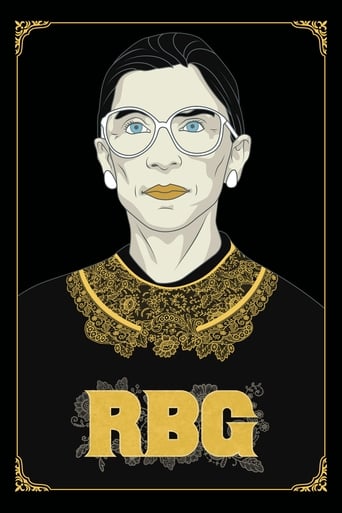
RBG
Justice Ruth Bader Ginsburg now 84, and still inspired by the lawyers who defended free speech during the Red Scare, Ginsburg refuses to relinquish her passionate duty, steadily fighting for equal rights for all citizens under the law. Through intimate interviews and unprecedented access to Ginsburg’s life outside the court, RBG tells the electric story of Ginsburg’s consuming love affairs with both the Constitution and her beloved husband Marty—and of a life’s work that led her to become an icon of justice in the highest court in the land.
The Corporate Coup D'État
A democracy should protect its most vulnerable citizens, but increasingly the United States is failing to do so. This investigation blends the insights of experts with the experiences of citizens of the Rust Belt in the Midwest where the steel industry once flourished, but where closures and outsourcing have left urban areas desolate. It is here where Donald Trump finds some of his most fervent supporters.
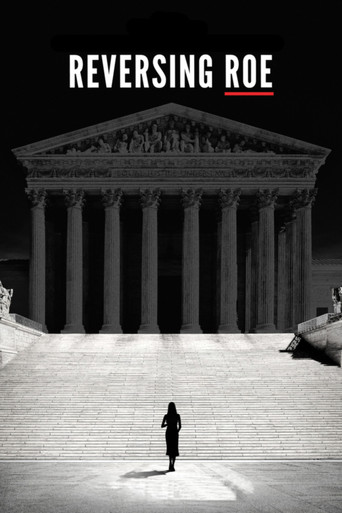
Reversing Roe
Documentary that delves deep into the history of abortion law, revealing the contradictory ways in which women's bodies have been used to further political and ideological agendas.
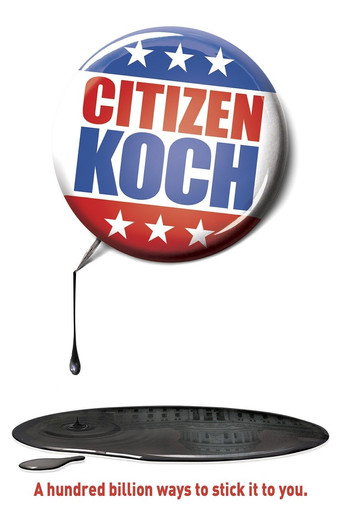
Citizen Koch
Wisconsin—birthplace of the Republican Party, government unions, cheeseheads and Paul Ryan—becomes a test market in the campaign to buy Democracy, and ground zero in the battle for the future of the GOP.
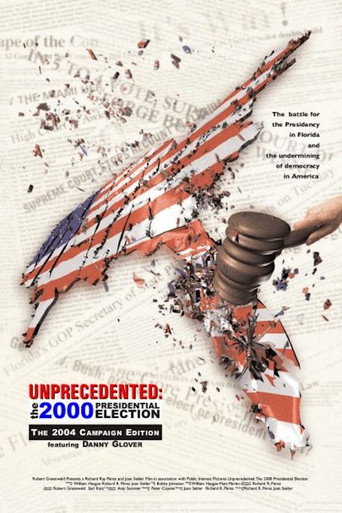
Unprecedented: The 2000 Presidential Election
Unprecedented: The 2000 Presidential Election is the riveting story about the battle for the presidency in Florida and the undermining of democracy in America. Filmmakers Richard Ray Perez and Joan Sekler examine modern America’s most controversial political contest: the 2000 election of George W. Bush. What emerges is a disturbing picture of an election marred by suspicious irregularities, electoral injustices, and sinister voter purges in a state governed by the winning candidate’s brother. This 2004 Campaign Edition features new commentary by Danny Glover and a new segment on the dangers of electronic voting machines.
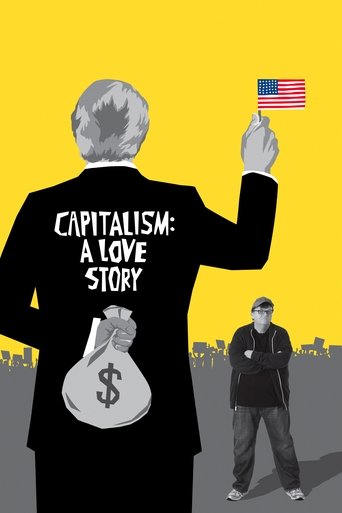
Capitalism: A Love Story
Michael Moore comes home to the issue he's been examining throughout his career: the disastrous impact of corporate dominance on the everyday lives of Americans (and by default, the rest of the world).

Fahrenheit 9/11
Michael Moore's view on how the Bush administration allegedly used the tragic events on 9/11 to push forward its agenda for unjust wars in Afghanistan and Iraq.
Gallery