Antonín Máša Movies, TV Shows, and Filmography
Antonín Máša
Writing
Biography
Antonín Máša was a Czech screenwriter, director, and playwright, known for his contributions to Czechoslovak New Wave cinema. After studying journalism in Prague, he transitioned into filmmaking, collaborating with notable directors such as Evald Schorm. Máša's work often delved into the complexities of human relationships and societal norms. Notable films include Courage for Every Day (1964), The Return of the Prodigal Son (1967), and The End of a Priest (1969). His films are recognized for their introspective narratives and critical examination of contemporary society, contributing significantly to the cultural landscape of Czech cinema.
Filmography Movies

Production
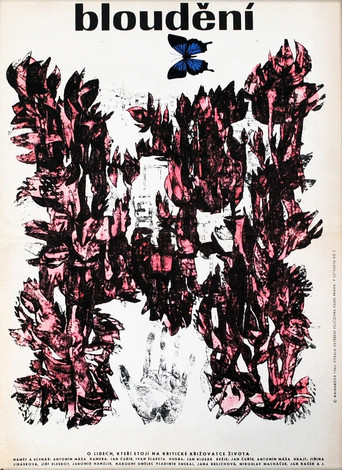
Searching
Michal's father and his friends are stigmatized by their war experience and the post-war social deformations in which they took part either directly, or watched them cowardly and in silence. They are trying to repress their feelings of guilt and justify their behavior to the young generation with memories of their heroic war feats. Michal, however, does not want to have anything to do with their problems. He subconsciously perceives the unpleasant atmosphere in the family as well as his father's hypocrisy. After one of many quarrels with his father, he runs away from home, determined to go his own way.
Searching
Michal's father and his friends are stigmatized by their war experience and the post-war social deformations in which they took part either directly, or watched them cowardly and in silence. They are trying to repress their feelings of guilt and justify their behavior to the young generation with memories of their heroic war feats. Michal, however, does not want to have anything to do with their problems. He subconsciously perceives the unpleasant atmosphere in the family as well as his father's hypocrisy. After one of many quarrels with his father, he runs away from home, determined to go his own way.
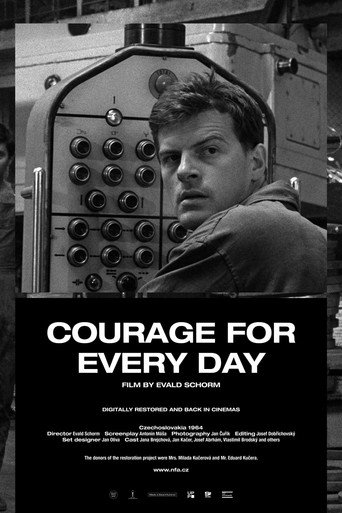
Courage for Every Day
A passionate communist worker is discouraged by the changing political climate and the failure of his peers to live up to his ideals.
Courage for Every Day
A passionate communist worker is discouraged by the changing political climate and the failure of his peers to live up to his ideals.
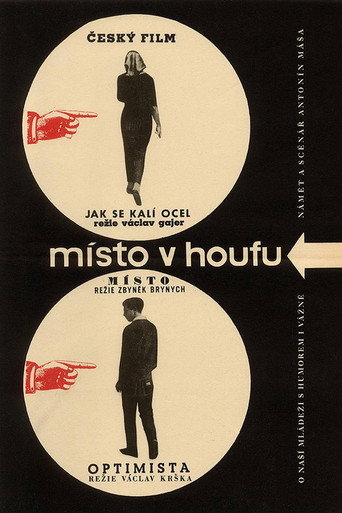
A Place in the Crowd
A film in five episodes, all based on an attempt to show the life of young people today, their feelings and relationships, their behaviour in public and private life.
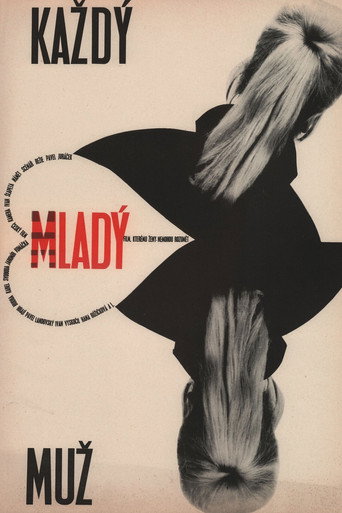
Every Young Man
Jurácek's feature debut is shot in two parts. In the first, a corporal accompanies a new recruit with a sore Achilles tendon for his physical, and all the girls or young women they see are played by the same actress (Ruzickova). In the longer second segment, shot with the help of the Czechoslovakia army, the soldiers pass the time during basic training and maneuvers by talking about girls.
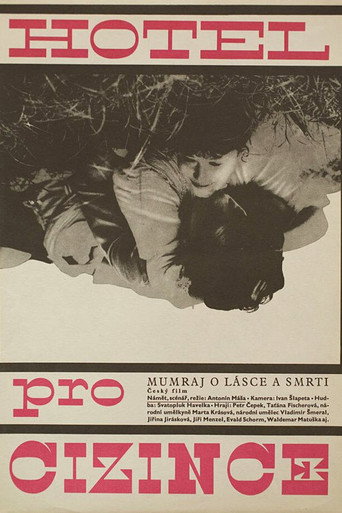
Hotel for Strangers
A gifted poet checks into a Gothic hotel in hopes of meeting the woman with whom he has long been enamored. He is surrounded by a variety of offbeat characters like the hefty homosexual cook, shadowy clerks, snooty waiters, and valets prone to violence. He finally meets the woman of his dreams only to lose her and ultimately meet with tragedy.
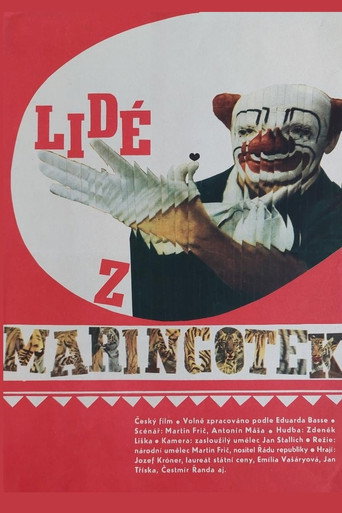
People From Caravans
Story about the people around the circus and the unfortunate love of a young man an acrobat. Before the dispute escalates so much that, according to the old clown, Vincek ends up with a noose on his back and Lotyš in a bass, fate intervenes and the young acrobat is called up to the war, where he serves with the dragoons. After serving his time and being released into civilian life, he sets out to find the National with his beloved Nina. However, she has not been with the circus for almost a whole year. Her parents took her away and Vincek, to the chagrin of his friends and the principal, decides to go looking for her. After a long journey, he finds his beloved in the Russian Kuznecki circus, but she has changed a lot during the years of separation. A simple girl in love has turned into a calculating, ambitious woman who desires money above all. But Vincek doesn't have you.

The Valley of the Bees
Cast out by his father, young Ondrej joins the Order of the Teutonic Knights, where he is raised by strict monk Armin. After years of hardship, Ondrej escapes from the Order when he is wrongly punished, and sets out for his former home. Arriving to discover his father to be dead, Ondrej now not only assumes control of his father's properties, but seeks to marry his former stepmother.
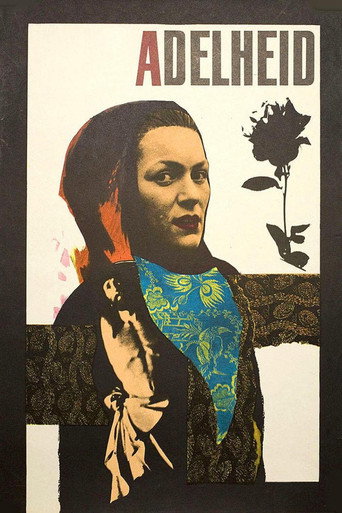
Adelheid
In the aftermath of World War II, a soldier takes charge of a manor formerly owned by a German family and falls in love with the daughter, now a maid. Their relationship forces him to confront the tension between his love and his conscience.